
Fully smoked salmon is more than just a delicious seafood treat — it’s a carefully crafted dish that’s both fully cooked and deeply flavorful. Unlike cold-smoked or lightly smoked salmon, fully smoked salmon is heated during the smoking process, giving it a firm, flaky texture and rich, savory taste. This makes it perfect for anyone who loves the smoky depth of traditional salmon but prefers something ready to eat and safe for all ages.
In this guide, we’ll explain what fully smoked salmon really is, how it’s made, how it differs from other smoked styles, and the best ways to enjoy it. You’ll also discover helpful safety tips, serving ideas, and flavor pairings to make the most of this hearty seafood favorite.

Learn more about smoked salmon techniques in our Beginner Smoked Salmon Recipe to get started. And don’t forget to follow us on Facebook for daily smoked salmon inspiration and kitchen tips shared by home cooks just like you.
Table of Contents
What Is Fully Smoked Salmon?
What Does “Fully Smoked Salmon” Mean?
Fully smoked salmon is salmon that’s hot-smoked until it’s completely cooked. The fish is smoked at higher heat—usually between 120 °F and 180 °F—so it turns firm, opaque, and flaky. This process seals in smoky flavor while keeping the meat moist and ready to eat. Unlike cold-smoked or lightly smoked versions, which stay raw in the center, fully smoked salmon is safe, hearty, and perfect for both hot and cold dishes.
How It Differs from Lightly or Cold-Smoked Salmon
Cold-smoked salmon is smoked below 90 °F and never truly cooked, giving it a silky, delicate texture. Fully smoked salmon, by contrast, is cooked through—firmer, more savory, and longer-lasting. It’s ideal for pastas, eggs, or salads where you want that rich, smoky bite.
Quick Comparison
| Feature | Fully Smoked Salmon | Cold-Smoked Salmon |
|---|---|---|
| Temperature | 120–180 °F (Hot) | Below 90 °F (Cold) |
| Texture | Firm, cooked | Silky, raw-like |
| Flavor | Deep, smoky | Mild, delicate |
| Safety | Fully cooked | Raw-style |
Why It Matters
Choosing fully smoked salmon means choosing peace of mind and bold flavor. It’s fully cooked, easier to handle, and adds smoky warmth to everything from brunch to dinner.
Learn the subtle differences in our What Is Lightly Smoked Salmon guide.
The Smoking Methods Behind Fully Smoked Salmon
Hot Smoking vs. Cold Smoking
The biggest difference between smoking styles is temperature. Fully smoked salmon is made with the hot-smoking method, where heat cooks the fish while smoke infuses flavor. Temperatures usually range from 120 °F to 180 °F, allowing the salmon to cook through while staying moist and flaky.
Cold-smoked salmon, however, never gets hot enough to cook. It’s smoked below 90 °F, giving it that smooth, silky texture and milder flavor. Both styles are delicious, but only the hot-smoked version is considered fully smoked and fully cooked.
Steps to Make Fully Smoked Salmon
Creating fully smoked salmon involves three main stages:
- Brining or curing – The salmon soaks in a mix of salt, sugar, and spices to enhance flavor and preserve moisture.
- Drying – The fish air-dries until a tacky surface (pellicle) forms, helping smoke stick evenly.
- Smoking – The salmon smokes slowly over wood, such as apple, hickory, or alder, until its internal temperature reaches about 145 °F.
This steady process develops that signature smoky aroma and golden-brown surface.
Pro Tip
For a gentle, balanced flavor, try smoking with applewood or cherrywood. They add sweetness without overpowering the fish.
Don’t miss our guide on How to Smoke Salmon Without a Smoker — perfect for beginners who want to try hot-smoking right at home.
Flavor & Texture Profile of Fully Smoked Salmon
What Does Fully Smoked Salmon Taste and Feel Like?
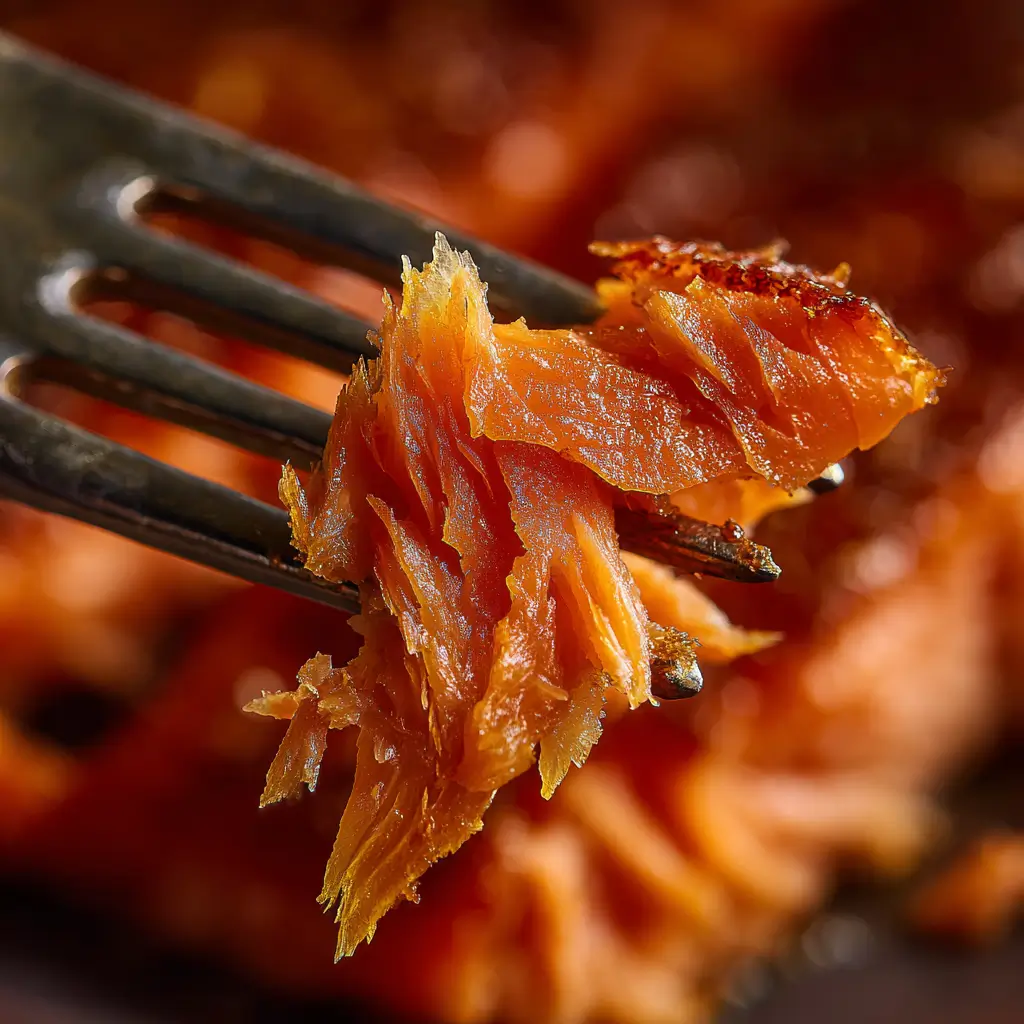
The flavor of fully smoked salmon is deep, rich, and comforting — a mix of salt, smoke, and natural fish sweetness. Because it’s hot-smoked, the salmon develops a warm, wood-fired aroma and a satisfying bite. Each flake feels firm yet tender, with a savory edge that lingers on the palate.
Unlike raw-style smoked salmon, fully smoked versions carry a cooked comfort that reminds you of roasted seafood but with more character. It’s the kind of flavor that works just as well on toast as it does in creamy pasta or rice dishes.
How It Differs from Lightly Smoked or Traditional Smoked Salmon
Compared to lightly smoked or cold-smoked salmon, fully smoked salmon has a thicker, flakier texture and a more pronounced smoky flavor. Its color turns opaque, shifting from translucent coral to warm golden-pink. The flavor is bolder and more savory — ideal for anyone who enjoys hearty, cooked dishes instead of delicate raw ones.
Cold-smoked salmon melts in your mouth; fully smoked salmon satisfies your bite. That’s the easiest way to tell them apart.
Quick Comparison of Taste & Texture
| Feature | Fully Smoked Salmon | Cold-Smoked Salmon |
|---|---|---|
| Texture | Firm, flaky, cooked | Soft, silky, raw-like |
| Flavor | Deep, smoky, savory | Mild, buttery |
| Color | Opaque golden-pink | Translucent coral |
| Mouthfeel | Satisfying, hearty | Delicate, smooth |
Serving Tip
For a balanced flavor, serve fully smoked salmon with light, acidic sides — think lemon juice, dill, or pickled onions. These fresh notes highlight its smoky richness without overpowering it.
Discover great ideas like our Hot vs Cold Smoked Salmon Guide to explore how each style shapes taste and texture in different recipes.
Fully Smoked vs Traditional Smoked Salmon – What’s the Difference?
What Is Traditional Smoked Salmon?
When people mention traditional smoked salmon, they often mean cold-smoked salmon — a method that cures the fish in salt before gently smoking it at low temperatures (below 90 °F). This keeps the flesh silky and translucent, similar to sashimi. It’s the kind you find thinly sliced on bagels or served as a delicate appetizer.
Traditional smoked salmon has a subtle smoke flavor and buttery texture, but it’s not cooked, which means it needs careful storage and handling.
How Fully Smoked Salmon Stands Apart
Fully smoked salmon, on the other hand, is hot-smoked at higher temperatures until it’s completely cooked. The result? A firm, flaky texture and a deep, wood-fired flavor that’s impossible to miss. It’s heartier, more savory, and can be eaten cold or reheated without falling apart.
While traditional smoked salmon feels elegant and delicate, fully smoked salmon feels comforting and satisfying — the kind you might add to warm grain bowls, pasta, or brunch platters.
Side-by-Side Comparison
| Feature | Fully Smoked Salmon | Traditional Smoked Salmon |
|---|---|---|
| Method | Hot-smoked (120–180 °F) | Cold-smoked (below 90 °F) |
| Texture | Firm, flaky, cooked | Silky, delicate |
| Flavor | Strong, smoky, savory | Mild, buttery |
| Safety | Fully cooked | Raw-like, cured |
| Best For | Hot dishes, hearty meals | Cold platters, appetizers |
Which Should You Choose?
If you love deep smoky flavor and cooked texture, go for fully smoked salmon. It’s easier to serve, lasts longer, and fits perfectly in both hot and cold recipes. But if you prefer delicate flavors and smooth textures, traditional cold-smoked salmon remains a classic.
Either way, both versions showcase the beauty of smoked seafood — it’s just a matter of taste and how you plan to serve it.
Looking for inspiration? Try our DIY Smoked Salmon Guide to explore how both styles are prepared and which one suits your taste best.
How to Fully Smoke Salmon – Step-by-Step Guide
Preparation: Choosing, Trimming, and Brining
The first step to making great smoked salmon starts long before the smoke. Choose fresh, high-quality salmon with firm flesh and bright color—wild or farmed both work if they’re handled well. Trim away thin edges so the fillet smokes evenly, and leave the skin on to help retain moisture.
Next comes brining. Combine salt, brown sugar, and spices such as black pepper or dill. Submerge the salmon for several hours in the refrigerator; the brine seasons the fish and keeps it juicy. After brining, rinse lightly and pat dry. Let it air-dry until a thin, tacky layer forms—this helps the smoke cling beautifully.
Smoking: Temperature, Time, and Wood Choice
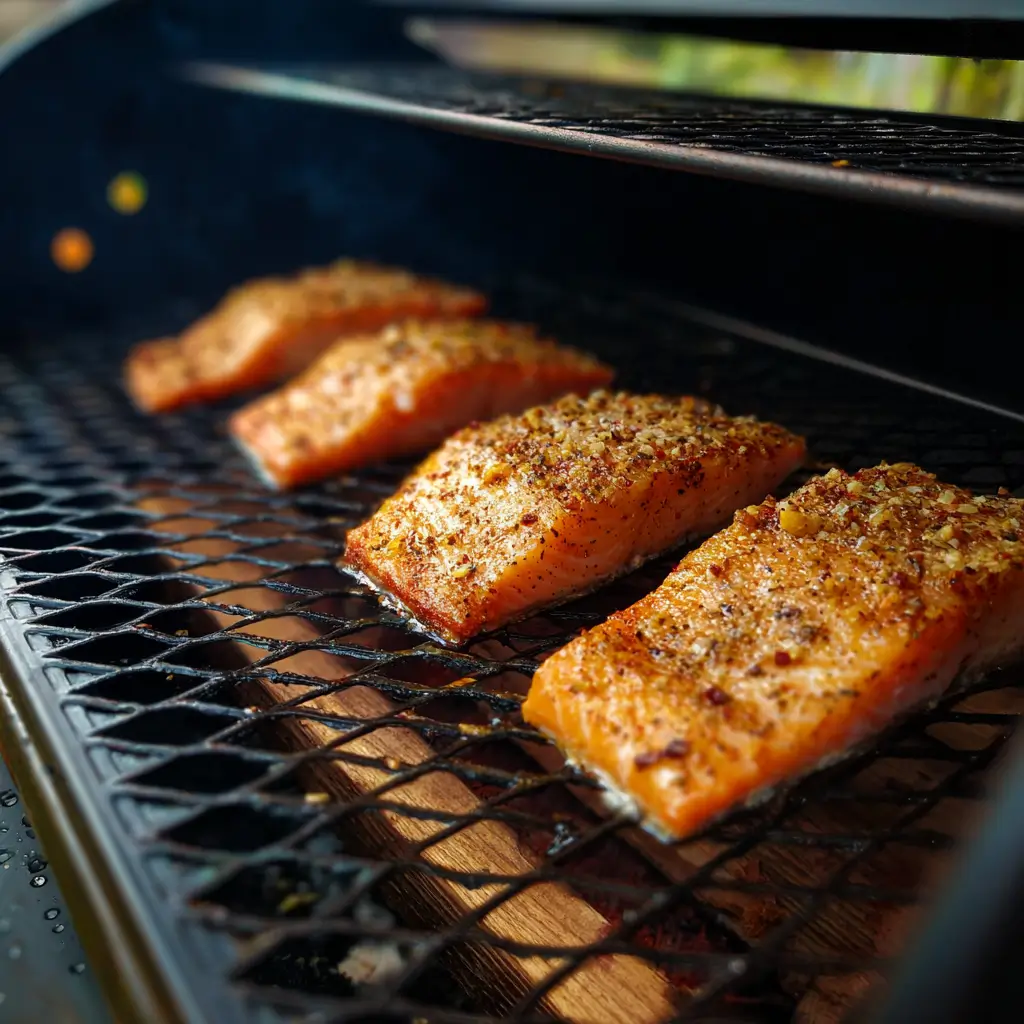
Now the fun part—smoking. Set your smoker or grill to about 140 °F – 160 °F for a gentle, steady heat. The goal is to cook the salmon slowly until its internal temperature reaches 145 °F. This keeps the texture tender without drying it out.
Choose mild woods like apple, alder, or maple for balanced flavor; stronger woods such as hickory can easily overpower delicate fish. Smoke the fillets skin-side down for 1½ – 3 hours, depending on thickness. You’ll know it’s ready when the flesh flakes easily and glows a soft golden color.
Finishing Touches
Once your salmon is done, let it rest for 10 minutes before slicing. Cooling slightly allows juices to redistribute and flavor to deepen. From here, enjoy it warm, chill it for later, or vacuum-seal for longer storage.
Homemade smoked salmon tastes richer and cleaner than most store-bought versions—and once you’ve tried it, you’ll rarely go back.
Learn more about ideal heat ranges in our Salmon Smoking Temperature Guide—it covers precise temps and wood pairings to help you perfect the process.
Food Safety and Nutrition for Fully Smoked Salmon
Is Smoked Salmon Still Raw?
That depends on the smoking method. Hot-smoked or fully smoked salmon is cooked through during the smoking process, reaching a safe internal temperature of about 145 °F. The result is a firm, flaky texture and food that’s ready to eat right away.
Cold-smoked salmon, however, is not cooked — it’s cured and smoked at lower temperatures, which keeps the texture silky but means it must be handled with extra care.
Is Smoked Salmon 100% Safe?
When properly smoked and stored, fully smoked salmon is safe for most people. The hot-smoking process eliminates bacteria and parasites, making it a safer option than cold-smoked salmon, especially for pregnant women or anyone with a weakened immune system.
Still, it’s best to store smoked salmon in the refrigerator and consume it within a week of opening. For longer storage, vacuum-seal and freeze it. Avoid leaving it at room temperature for extended periods, as the fish can spoil faster than it seems.
Nutrition at a Glance
Smoked salmon isn’t just flavorful—it’s highly nutritious. A small serving (3 oz) typically provides:
| Nutrient | Amount | Benefit |
|---|---|---|
| Protein | ~16–18 g | Supports muscle and repair |
| Omega-3 Fatty Acids | ~1.5–2 g | Promotes heart and brain health |
| Vitamin D | ~150–200 IU | Aids bone and immune function |
| Sodium | ~650–900 mg | Enhances flavor, but monitor intake |
Fully smoked salmon is rich in omega-3s and lean protein, making it an excellent choice for balanced meals. The only caution is sodium content, which can vary depending on brine or curing time.
Check out our Smoked Salmon and Egg Recipe for a wholesome way to combine protein and healthy fats into a delicious breakfast.
Fully Smoked Salmon

Equipment
- smoker or grill
- mixing bowl
- Sharp knife
- cooling rack or drying tray
- kitchen thermometer
Ingredients
- 1 lb salmon fillet, skin on
- 3 tbsp kosher salt
- 2 tbsp brown sugar
- 1 tsp black pepper (optional)
- 1 cup applewood or alder wood chips (for smoking)
Instructions
- Trim salmon fillet if needed, keeping the skin on. Prepare a dry brine with salt, sugar, and optional pepper. Rub mixture evenly over salmon.
- Place the brined salmon in the fridge for 4–6 hours. Rinse lightly, pat dry, and let it air-dry until a tacky pellicle forms.
- Set smoker temperature to 140–160°F and prepare wood chips. Smoke salmon skin-side down until internal temp reaches 145°F (about 1.5 to 2.5 hours).
- Remove from heat and rest for 10 minutes before serving. Slice and serve warm or chill for later use.
Notes
Nutrition
Culinary Uses and Serving Suggestions for Fully Smoked Salmon
Best Dishes for Fully Smoked Salmon
The beauty of fully smoked salmon lies in its versatility. Because it’s fully cooked, it fits effortlessly into both hot and cold dishes. For a quick lunch, toss it into a salad with crisp greens, capers, and lemon vinaigrette. For dinner, try folding flakes into creamy pasta or risotto — the smoky flavor adds depth without extra effort.
It also shines at breakfast. Layer pieces over toast with avocado, stir into scrambled eggs, or mix into a hearty omelet. The texture holds up beautifully in warm dishes while adding that signature smokiness you can’t get from cold-smoked salmon.
Pairings, Storage, and Reheating Tips
Fully smoked salmon pairs well with bright, acidic ingredients that cut through its richness — lemon, dill, mustard, and pickled onions are classic companions. On the side, serve it with roasted vegetables, crusty bread, or a light cream sauce.
When reheating, use low heat to keep the salmon moist. A few minutes in a covered pan or a warm oven is enough; avoid microwaving on high, which can dry it out.
For easy entertaining, serve it chilled on a platter with soft cheese, olives, and crackers. Its savory flavor instantly elevates any spread.
Serving Inspiration Table
| Occasion | Serving Idea | Pairing |
|---|---|---|
| Breakfast | Scrambled eggs with smoked salmon | Fresh herbs & sourdough |
| Lunch | Salmon salad with citrus dressing | Avocado & arugula |
| Dinner | Smoked salmon pasta | Cream sauce & lemon zest |
| Appetizer | Smoked salmon bites | Crackers & dill cream cheese |
Quick Flavor Tip
Balance smoky richness with a squeeze of lemon or a spoonful of creamy yogurt sauce — it brightens the flavor and keeps every bite light and fresh.
Discover great ideas like our Easy Salmon Recipe Bites for more ways to enjoy smoked salmon as an appetizer or snack.
Buying & Choosing High-Quality Fully Smoked Salmon
What to Look for on the Label
When buying fully smoked salmon, the label tells you more than you think. Look for terms like “hot-smoked,” “fully cooked,” or “ready to eat.” These confirm that the salmon has been heated enough to be safe and flaky. Avoid vague descriptions like “smoked salmon” if it doesn’t specify the method — that could mean cold-smoked instead.
Check the ingredient list too. A short list — salmon, salt, sugar, natural wood smoke — usually signals better quality. Extra preservatives or artificial flavors can dull the fish’s natural taste.
Quality and Origin Matter
Not all smoked salmon tastes the same. Wild-caught salmon, especially from the Pacific, tends to have firmer texture and deeper color, while farmed varieties are usually milder and softer. Both are great choices; it just depends on your taste and budget.
When possible, buy from small-batch producers or local smokehouses that list their smoking wood and curing method. The more transparent the brand, the fresher and more flavorful the result.
Price and Freshness Guide
Higher-quality salmon may cost a bit more, but you’ll notice the difference in flavor. Check for vacuum-sealed packaging with no excess liquid, and make sure the fish smells fresh, never sour or overly smoky.
If you plan to cook with it, a mid-range brand works perfectly. For serving chilled on a platter, splurge a little for the best texture and color.
Buying Tip Table
| Factor | What to Check | Why It Matters |
|---|---|---|
| Label | “Hot-Smoked” or “Fully Cooked” | Confirms it’s ready to eat |
| Ingredients | Simple, natural | Indicates minimal processing |
| Texture | Firm, moist, no dryness | Reflects freshness |
| Origin | Wild or farmed listed | Shows transparency |
| Packaging | Vacuum-sealed, no leaks | Extends shelf life |
Quick Shopping Tip
Buy only what you’ll eat within a week. Fully smoked salmon stays fresh longer than cold-smoked, but quality fades after too much time in the fridge.
Don’t miss our Brown Sugar Smoked Salmon Rub Recipe — it’s a perfect way to enhance store-bought salmon or add a homemade touch to your next batch.
Frequently Asked Questions (FAQ)
Is Smoked Salmon Still Raw Salmon?
That depends on the smoking method. Fully smoked salmon (hot-smoked) is not raw — it’s cooked through during the smoking process, making it safe to eat right away. Cold-smoked salmon, on the other hand, remains closer to raw because it’s cured, not cooked.
How Do You Explain Smoked Salmon?
Smoked salmon is simply salmon that’s been cured in salt and then exposed to smoke from burning wood chips. This process infuses flavor, enhances preservation, and transforms the texture. Fully smoked versions are hot-smoked and cooked, while cold-smoked ones stay silky and raw-like.
Is Smoked Salmon 100% Safe?
Yes — as long as it’s been properly smoked and stored. Fully smoked salmon reaches safe internal temperatures that eliminate harmful bacteria, making it a dependable option for most people. Always refrigerate opened packages and finish within a week for the best quality.
Is Smoked Salmon Better Than Normal Salmon?
It depends on what you’re craving. Fully smoked salmon offers a rich, smoky depth and a ready-to-eat convenience that fresh salmon can’t match. But fresh salmon gives you a clean, mild flavor and flexibility for grilling or baking. Both have their place — one for comfort, the other for creativity.
Explore recipe ideas using both styles with our Traeger Smoked Salmon Fillet Recipe to find your favorite way to enjoy salmon at home.
Conclusion
Fully smoked salmon brings together everything people love about salmon — flavor, nutrition, and versatility — in one ready-to-eat form. Unlike lightly smoked or cold-smoked varieties, it’s fully cooked through the hot-smoking process, giving it a firm texture and rich, smoky taste.
From breakfast to dinner, it’s an ingredient that fits anywhere: layered on toast, stirred into creamy pasta, or served cold on a salad. You now know how it’s made, what sets it apart, how to store it safely, and how to choose the best one for your table.
If you’d like to explore more delicious salmon recipes, check out our Cheesecake Factory Miso Salmon for another flavor-packed take on this classic fish.
And if you love saving and sharing recipe inspiration, join our growing food community on Pinterest — where we post smoked salmon ideas, kitchen tips, and seasonal favorites every week.