
The smoked salmon texture difference is what makes every bite unique. From smooth, buttery cold-smoked slices to firm, flaky hot-smoked fillets, each variation tells a story of time, temperature, and technique. Understanding the smoked salmon texture difference helps you appreciate how smoking style and curing affect both taste and mouthfeel. It’s not just about flavor—it’s about how the salmon feels on your tongue, how it breaks apart, and how smoke lingers after each bite.
This guide explores the smoked salmon texture difference across different smoking methods, wood types, and levels of intensity. You’ll discover how light smoking creates a soft, melt-in-your-mouth texture, while heavy smoking develops a chewy, meaty bite. Along the way, we’ll compare how texture influences flavor, helping you choose the perfect salmon for every meal—whether you crave silky cold-smoked slices or bold, smoky fillets.

If you love learning about smoked salmon and want to explore creative recipes, check out Cheesecake Factory Miso Salmon for inspiration, and follow our culinary stories on Pinterest to see smoked salmon textures and flavors come to life.
Table of Contents
The Basics of Smoked Salmon Texture and Flavor
What Defines Smoked Salmon Texture?
The texture of smoked salmon types depends on curing and smoking. Cold smoking below 90°F creates a silky, almost buttery feel, while hot smoking at higher temperatures produces a dense, flaky texture. Fatty salmon stays smooth and soft; leaner fish firms up for a satisfying bite. Even slicing changes the experience—thin slices melt easily, thicker cuts feel hearty and robust.
How Smoking Affects Flavor and Mouthfeel
The smoked salmon texture difference and flavor are inseparable. Light smoking enhances natural tenderness with a subtle wood aroma, while heavy smoking builds deep, earthy intensity and a chewy surface. In a smoked salmon flavor comparison, cold-smoked salmon tastes delicate and creamy, while hot-smoked salmon delivers bold, savory richness.
Key Factors That Influence Smoked Salmon Texture
- Curing: Salt removes moisture, creating firmer salmon.
- Temperature: Cold = silky; hot = flaky.
- Wood Type: Alder, hickory, or maple each add distinct flavors and affect texture.
- Time: Longer smoking yields a denser bite.
- Fish Variety: Atlantic salmon is smooth; Sockeye is firmer.
Mastering these essentials helps you appreciate every smoked salmon texture difference—from soft and delicate to firm and smoky perfection.
Don’t miss our guide on Lightly Smoked vs Fully Smoked Salmon to see how time and smoke intensity shape both texture and flavor.
Lightly vs Heavily Smoked Salmon — The Texture Contrast
How Smoking Time Alters Texture
The smoked salmon texture difference between lightly and heavily smoked styles begins with time. Lightly smoked salmon spends fewer hours in the smoker, keeping its moisture and silky smoothness. It feels soft, delicate, and melts easily on the tongue.
Heavily smoked salmon stays in longer, drying out slightly to create a firm, meaty texture. The bite feels dense and chewy—ideal for heartier recipes. The longer smoking time also deepens color and adds structure, giving each piece a satisfying, savory edge.
Flavor Notes: Mild, Subtle vs Bold and Robust
In a smoked salmon flavor comparison, light smoking brings a clean, gentle taste with a soft finish. Heavy smoking adds bold, smoky depth and an earthy aroma that lingers. The texture of smoked salmon types changes how flavor is perceived—tender textures release taste instantly, while firm ones let you savor every note.
When to Choose Lightly or Heavily Smoked Salmon
For breakfast dishes or light spreads, lightly smoked salmon works best—it’s tender and refined. Heavily smoked salmon, with its dense texture and stronger flavor, suits main courses or smoky appetizers. Your choice depends on whether you prefer smooth elegance or rich intensity.
Check out our guide on Hot vs Cold Smoked Salmon to see how temperature also affects the smoked salmon texture difference.
Comparing Hot-Smoked and Cold-Smoked Salmon Textures
Hot-Smoked Salmon: Firm, Flaky, and Meaty
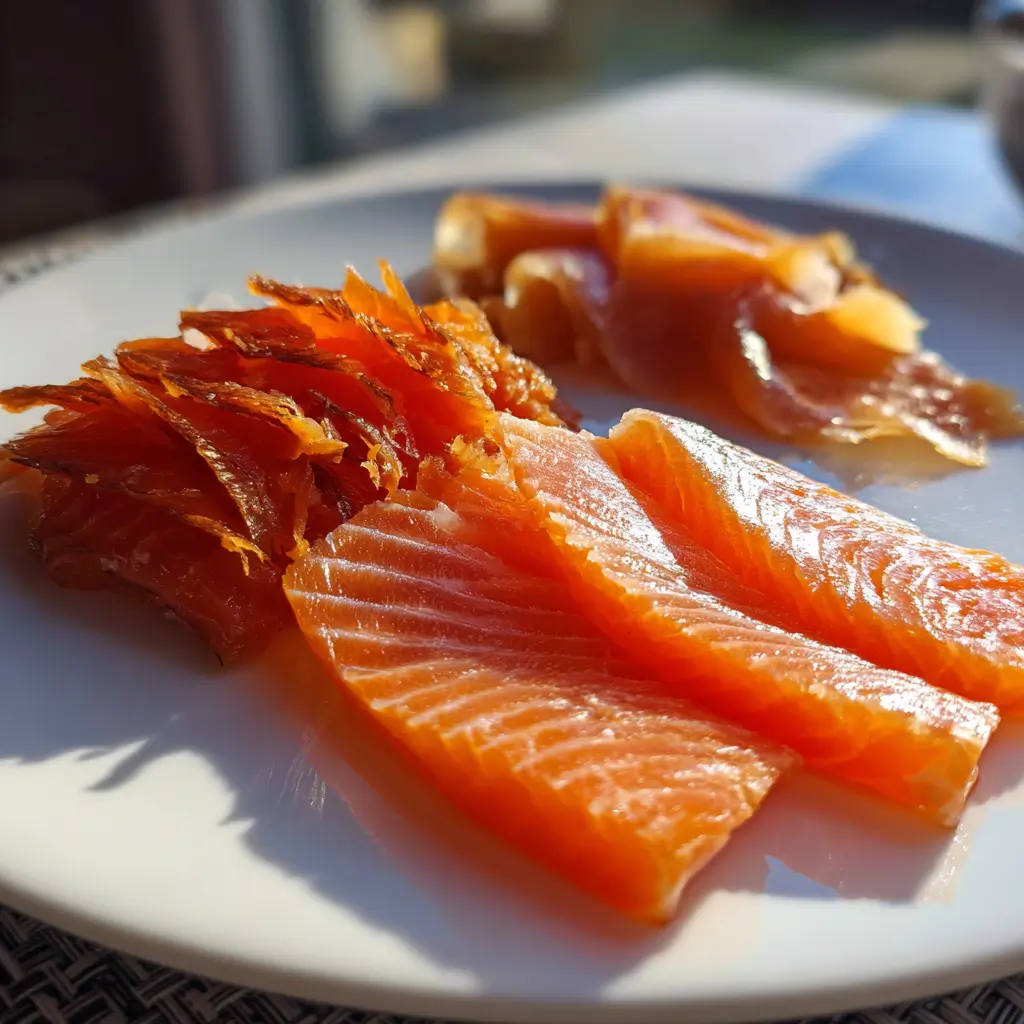
Hot smoking gives salmon its signature cooked, flaky texture. During this process, the fish is exposed to higher temperatures—usually between 120°F and 180°F—allowing the flesh to firm up while developing deep, smoky richness. The smoked salmon texture difference here is immediately noticeable: hot-smoked salmon feels hearty, meaty, and slightly dry, similar to grilled fish.
Because it’s fully cooked, hot-smoked salmon works perfectly in salads, pasta, or grain bowls. Its firm texture holds up to sauces and dressings without falling apart. The flavor, meanwhile, leans toward bold and savory, offering a comforting, satisfying mouthfeel that’s both rustic and rich.
Cold-Smoked Salmon: Silky, Smooth, and Buttery
Cold smoking is a gentler process, keeping temperatures below 90°F so the salmon never fully cooks. Instead, it’s slowly cured and infused with cool smoke, producing a soft, supple texture that practically melts on the tongue. This style highlights the delicate texture of smoked salmon types, bringing out a clean, buttery feel.
Cold-smoked salmon has a lighter taste compared to hot-smoked, offering subtle saltiness and a faint wood aroma. It’s ideal for bagels, canapés, or charcuterie boards where you want a refined, luxurious texture that complements—not overwhelms—other flavors.
How Temperature Shapes Texture and Flavor
The smoked salmon texture difference between hot and cold smoking is all about temperature. High heat changes protein structure, creating flakiness and a cooked feel. Low heat preserves the salmon’s natural oils, keeping it smooth and moist.
In a simple smoked salmon flavor comparison, hot-smoked salmon delivers smoky, robust notes, while cold-smoked salmon offers mild sweetness and delicate depth. One feels hearty and warming; the other elegant and melt-in-your-mouth.
Don’t miss our resource on Best Wood for Smoking Salmon to learn how different woods complement these textures perfectly.
Wood Types and Their Impact on Salmon Texture and Flavor
How Different Woods Affect Smoke Density and Flavor
When exploring the smoked salmon texture difference, the choice of wood plays a major role. Each wood type gives the salmon a unique balance of smoke density, sweetness, and aroma—affecting both flavor and mouthfeel. Light woods like alder or applewood produce a gentle smoke that preserves the salmon’s silky softness, while strong woods like hickory and mesquite create a bolder, drier finish with firmer texture.
Alder, long used in traditional salmon smoking, is ideal for cold-smoked styles where you want a smooth, buttery bite. Hickory and oak, on the other hand, develop that meaty texture associated with hot-smoked salmon. The longer and heavier the smoke, the denser the fish becomes, deepening both flavor and chew.
Best Woods for Balanced Texture
Finding balance between smoke intensity and texture is key. Maple adds mild sweetness that complements the salmon’s natural oils, while cherry wood provides a soft, fruity aroma without overpowering the fish. For an ideal smoked salmon flavor comparison, mix alder and maple—this combination delivers warmth and subtle depth without drying the meat.
If your goal is to enhance the texture of smoked salmon types without making it too tough, use lighter woods for shorter smoke sessions. The result is a moist, tender salmon that still carries a pleasant hint of smoke.
Matching Wood Type to Your Preferred Taste
Each wood’s personality pairs differently with smoking styles. For lightly smoked salmon, alder or applewood works best—they create a delicate, velvety texture. For heavily smoked salmon, oak or hickory gives that rich, firm bite and intense flavor.
Ultimately, wood choice shapes the smoked salmon texture difference as much as temperature or time. The right wood enhances natural salmon oils, keeping the fish tender while adding just enough smokiness to elevate the experience.
Learn more about choosing the perfect smoking materials in our guide on Brown Sugar Smoked Salmon Rub, where seasoning meets smoke for perfectly balanced results.
Seasonings, Rubs, and Marinades That Influence Texture
How Salt and Sugar Change Protein Structure
Seasoning is more than flavor—it’s science. Salt and sugar are the key ingredients that start shaping the smoked salmon texture difference long before smoke ever hits the fish. Salt pulls out moisture and tightens protein fibers, giving salmon that firm, sliceable structure we love. Sugar, on the other hand, balances the saltiness while keeping the fish tender and slightly glossy.
The right ratio of salt to sugar helps define the texture of smoked salmon types. More salt produces a denser, savory bite, while more sugar preserves softness and adds a mild caramel note. That’s why choosing your curing mix carefully can completely change how the finished salmon feels and tastes.
Popular Rubs for Texture Enhancement
Dry rubs don’t just flavor the surface—they also affect how the fish holds moisture during smoking. A brown sugar rub adds a delicate crust and a slightly sticky finish, enhancing smoothness in cold-smoked salmon. Spiced or peppered rubs, however, firm up the outer layer, creating a stronger texture for hot-smoked varieties.
If you prefer a balanced finish that complements the smoked salmon flavor comparison between sweet and smoky, try combining salt, sugar, and crushed herbs. The herbs lightly infuse the surface while preserving interior tenderness.
Marinades That Add Depth Without Overpowering
Liquid marinades—like maple, mustard, or lemon herb—soften salmon before smoking, helping the flavor soak into every layer. They also help control texture by keeping moisture inside the fish. The trick is moderation: too much acid or salt can make salmon tough instead of tender.
For the best results, marinate for a few hours before smoking. This preserves natural oils and enhances the smoked salmon texture difference between smooth cold-smoked and firm hot-smoked styles.
Check out our detailed recipe for Brown Sugar Smoked Salmon Rub to see how sweetness and salt work together for a perfect texture balance.
Smoked Salmon Texture Difference

Notes
Nutrition
The Role of Curing and Drying in Texture Differences
Wet Curing vs Dry Curing: What’s the Difference?
Before salmon ever touches smoke, the curing process begins shaping the smoked salmon texture difference. Curing removes moisture and seasons the fish from within, determining how firm or soft the final texture will be.
Wet curing involves submerging the fish in a brine—usually a mix of water, salt, sugar, and spices. This method produces salmon that stays tender and moist, ideal for cold smoking. Dry curing, in contrast, uses a coating of salt and sugar without liquid. It draws out more moisture, resulting in a denser, slightly tougher texture perfect for hot-smoked salmon.
The type of cure you choose sets the tone for the texture of smoked salmon types—wet curing keeps it silky, while dry curing makes it solid and meaty.
How Drying Time Affects Firmness and Flavor
After curing, salmon needs to dry before smoking. This crucial step forms a thin layer called the pellicle, which helps smoke adhere evenly. The longer you dry, the firmer the surface becomes, influencing both flavor absorption and mouthfeel.
A short drying period maintains softness and a delicate texture, while longer drying adds structure and chew. This small timing difference can dramatically change the smoked salmon texture difference, even when using the same smoking method.
Finding the Sweet Spot Between Moist and Dense
The goal is balance—keeping enough moisture for a tender bite while allowing structure to develop. Over-curing or over-drying can lead to a tough texture, while under-curing may leave the fish too soft.
The ideal texture depends on personal taste: cold-smoked salmon lovers often prefer gentle curing for a melt-in-your-mouth finish, while hot-smoked fans appreciate the firmer bite that dry curing provides.
Learn more about timing and precision in our guide on How Long to Smoke Salmon, where duration and technique meet to create the perfect balance of flavor and texture.
Smoked Salmon Texture Across Different Species
Atlantic vs Pacific: A Texture Showdown
When exploring the smoked salmon texture difference, it’s impossible to ignore how salmon species affect the final result. Atlantic salmon, often farmed, has a higher fat content that keeps it soft, rich, and smooth after smoking. Its buttery feel and mild flavor make it ideal for cold-smoked styles where a tender texture is key.
Pacific varieties—like Sockeye, Coho, and Chinook—tend to be leaner and more muscular. This gives them a firmer, drier texture when smoked, creating a heartier mouthfeel. The difference is clear even before smoking: Pacific salmon feels denser to the touch and holds up better under heat, making it a favorite for hot smoking.
In short, Atlantic salmon melts in your mouth, while Pacific varieties offer a meatier chew. That’s the texture of smoked salmon types in action—fatty versus lean, smooth versus structured.
Wild-Caught vs Farmed: Fat Content and Firmness
The source of your salmon also changes its texture. Wild-caught salmon, raised in cold ocean waters, develops firm muscle fibers from constant movement. After smoking, it produces a dense, slightly flaky texture with a rich, briny flavor.
Farmed salmon, meanwhile, grows in controlled environments with consistent feeding. The result? Higher fat levels that lead to a softer, silkier feel once smoked. For those who love creamy, melt-in-your-mouth salmon, farmed varieties are often the go-to choice.
Both options offer their own appeal in the smoked salmon texture difference spectrum—wild for firmness, farmed for smoothness.
Choosing Salmon Type Based on Texture Preference
If you enjoy light, delicate cold-smoked salmon, go with Atlantic or farmed varieties—they deliver that velvety, luxurious finish. For a stronger bite or rustic flavor, Sockeye or Coho are perfect matches.
When planning a dish, think about balance: rich salmon pairs beautifully with citrus or herbs, while lean, firm salmon works best with smoky or spicy rubs.
Discover more about preparing your favorite species in our guide on Traeger Smoked Salmon Fillet Recipe, a step-by-step look at achieving perfect texture every time.
Expert Tips for Experiencing Texture and Flavor Together
How to Taste Smoked Salmon Properly
To truly appreciate the smoked salmon texture difference, start by tasting slowly. Let the salmon rest at room temperature for a few minutes before eating—it allows the natural oils to soften and the full flavor to emerge. Take a small bite and notice how it feels first: is it soft and velvety, or firm and flaky? The sensation on your tongue reveals as much as the taste itself.
Pay attention to how the flavor develops. Lightly smoked salmon starts with gentle sweetness and ends with subtle salt. Heavily smoked salmon, by contrast, begins with a smoky burst that lingers. The balance between these sensations defines how texture and flavor work together.
Pairing Smoked Salmon with Complementary Textures
The best way to highlight the texture of smoked salmon types is to pair them with foods that contrast or complement their feel. Silky cold-smoked salmon shines next to crisp crackers, toasted bagels, or fresh cucumber slices. The crunch enhances its soft texture while balancing richness.
Firm, hot-smoked salmon pairs wonderfully with creamy elements like mashed potatoes, soft cheeses, or avocado. These combinations enhance mouthfeel, creating an experience that’s layered and satisfying.
When pairing, think of both texture and flavor—light, delicate salmon benefits from mild partners, while bold, smoky salmon pairs beautifully with earthy or spicy sides.
Storage and Serving Tips for Texture Retention
Even the best salmon loses its charm if stored incorrectly. To preserve the smoked salmon texture difference, keep it tightly wrapped and refrigerated, but not frozen. Freezing can break down the natural oils and make the flesh watery once thawed.
Serve cold-smoked salmon chilled but not icy, and hot-smoked salmon slightly warm for the best flavor release. Always slice gently against the grain to maintain smoothness.
Don’t miss our detailed DIY Smoked Salmon Guide for practical steps on preserving both texture and flavor in your homemade creations.
FAQs About Texture and Flavor in Smoked Salmon
What is the difference between texture and flavor?
Texture is how food feels when you eat it—smooth, firm, soft, or crunchy. Flavor, on the other hand, is what your taste buds sense: sweet, smoky, salty, or rich. When it comes to smoked salmon, both work hand in hand. The smoked salmon texture difference determines how the flavor unfolds—silky textures release subtle notes quickly, while firmer ones build flavor gradually.
What matters more, flavor or texture?
Neither truly outweighs the other—they’re partners. Texture defines how flavor is experienced. For example, in a smoked salmon flavor comparison, a tender, cold-smoked slice feels luxurious and allows mild, buttery notes to shine. A firm, hot-smoked piece gives a satisfying chew that complements its bold, smoky taste. Together, they create balance and depth in every bite.
Is cream a flavor or texture?
Cream represents both—it has a distinct mild flavor and a soft, velvety texture that enhances whatever it touches. When paired with smoked salmon, its smooth consistency contrasts beautifully with the fish’s density, highlighting the texture of smoked salmon types whether you’re enjoying delicate cold-smoked slices or hearty hot-smoked fillets.
How does texture influence flavor?
Texture influences how long a flavor lasts and how strongly you perceive it. A soft, oily salmon allows flavor to spread quickly across your palate, giving a rich, immediate taste. A firmer texture, however, releases smoky depth slowly, extending the savor with each bite. This balance is what defines the smoked salmon texture difference—texture doesn’t just affect feel; it shapes taste itself.
Conclusion: Finding Your Perfect Smoked Salmon Texture
The beauty of smoked salmon lies in its variety—the smoked salmon texture difference reveals how small changes in smoke time, wood type, or curing can completely transform both taste and feel. Whether you crave the buttery softness of cold-smoked salmon or the hearty flakiness of hot-smoked, texture is the gateway to truly experiencing its flavor.
By understanding the texture of smoked salmon types, you can choose your favorite confidently. Try experimenting with different curing blends, wood varieties, and temperatures to discover what fits your palate best.
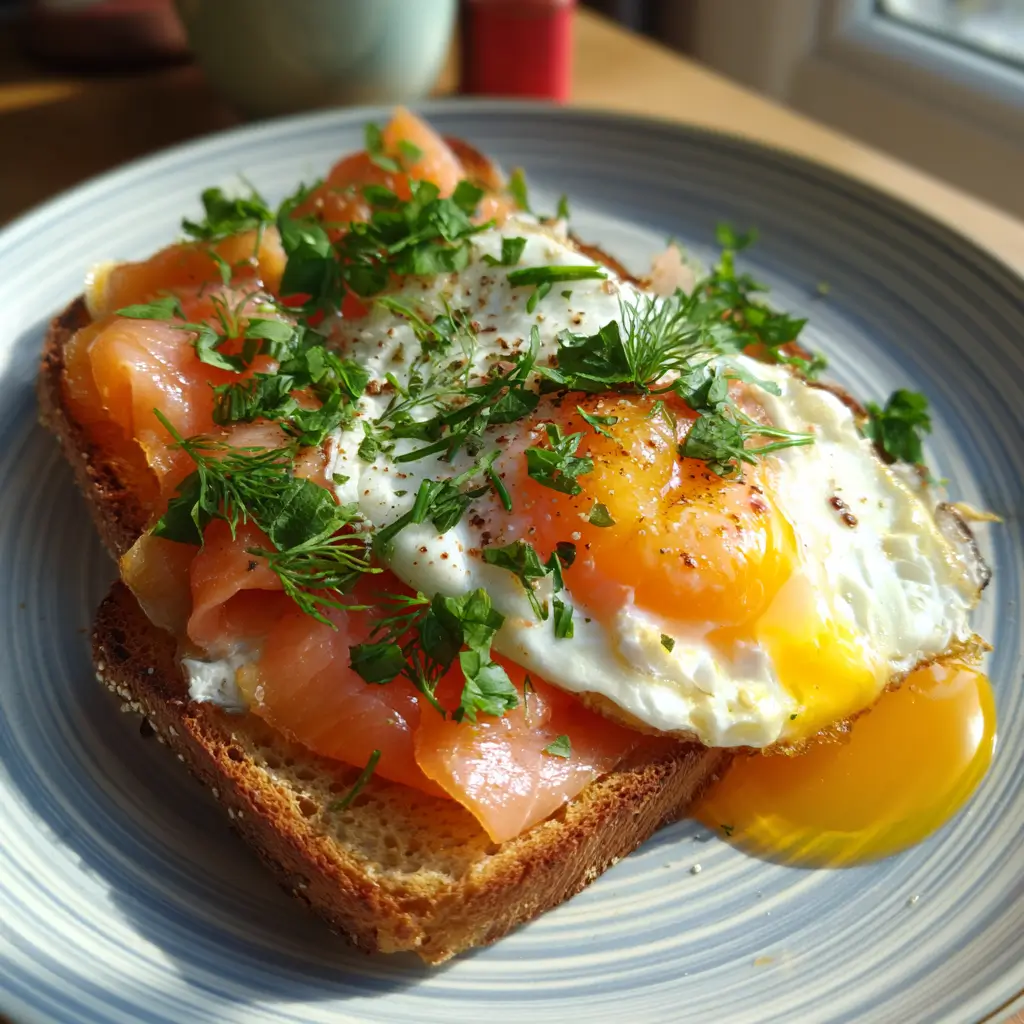
For more serving ideas, discover great dishes like Smoked Salmon and Egg for an elegant breakfast that highlights both flavor and texture.
Want to share your own creations? Join our community on Facebook and follow Craftsman Recipes on Pinterest for fresh inspiration every week.