
An overcooked smoked salmon fix can turn disappointment into delight. When your smoked salmon comes out too dry, tough, or even a little underdone, you don’t have to start over — you just need to understand what happened and how to bring it back to perfection. In this guide, we’ll walk you through practical solutions to rescue both overcooked and undercooked smoked salmon, along with insider tips to prevent it from happening next time.
You’ll learn how to spot the difference between salmon that’s merely firm and salmon that’s been pushed past its best, plus why temperature and timing matter more than anything. Whether your fish turned out smoked salmon too dry or slightly raw in the center, we’ll show you exactly how to restore flavor and texture step by step.
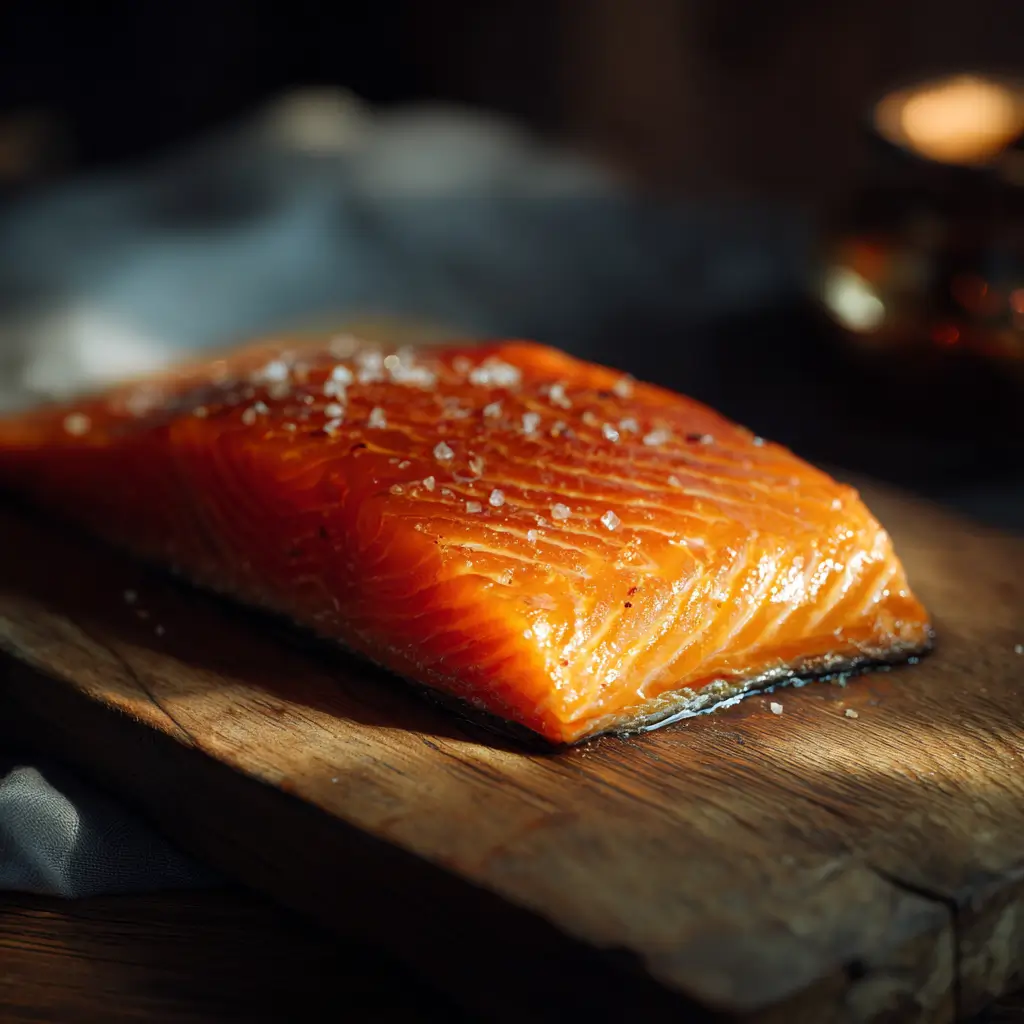
Looking for a foundational approach? Learn more about how to smoke salmon at home for an easy method that helps you build consistency from the start.
By the end, you’ll know how to avoid the most common smoking salmon mistakes and feel confident adjusting your process for flawless results every time.
Table of Contents
Understanding the Problem of Overcooked or Undercooked Smoked Salmon
What “Overcooked Smoked Salmon Fix” Really Means
When we talk about an overcooked smoked salmon fix, we’re really talking about reviving salmon that’s lost its tenderness or gone dry from too much heat. Overcooking drives out the natural oils that make salmon buttery, leaving it stiff and chalky. The goal is to reintroduce moisture, smooth texture, and revive that delicate smoky flavor without masking it.
On the other hand, undercooked smoked salmon can look shiny and translucent in the middle. It may taste raw, overly fishy, or unsafe if the internal temperature hasn’t reached the right level. While lightly smoked or cold-smoked salmon is meant to stay soft, underdone hot-smoked salmon is a common mistake that’s easy to correct.
How Smoking Mistakes Create Dry or Raw Salmon
Salmon is incredibly sensitive to temperature changes. Just a 10 °F difference in your smoker can mean the difference between juicy and dry. Some frequent smoking salmon mistakes include:
- Uneven heat: one side of the smoker runs hotter, cooking unevenly.
- Excessive smoking time: even low heat can dry fish if left too long.
- Thermometer inaccuracy: without an accurate probe, you can’t judge doneness correctly.
- Skipping the rest period: cutting salmon immediately after smoking releases moisture.
Once you identify which mistake caused the issue, you can apply the right fix — and that’s what we’ll unpack next.
Discover great ideas like this beginner-friendly method in the Beginner Smoked Salmon Recipe to get perfectly balanced texture every time.
For more daily tips and smoked salmon inspiration, follow Craftsman Recipes on Pinterest or connect with our food-loving community on Facebook.
Signs Your Smoked Salmon Is Overcooked or Undercooked
Knowing the signs of an overcooked smoked salmon fix can save your dish before it’s too late. Salmon reacts quickly to heat—one or two minutes too long can turn tender flakes into dryness, while too little time leaves the center raw. Learning how to spot overcooked or undercooked salmon is the key to perfecting your smoke.
How to Tell If Salmon Is Overcooked or Undercooked
A properly smoked salmon looks glossy and feels moist. When it’s overcooked, the surface turns pale and dry, with white protein (albumin) leaking out. Undercooked smoked salmon looks darker, feels soft, and tastes fishy instead of buttery.
| Condition | Appearance | Texture | Flavor |
|---|---|---|---|
| Perfect | Coral pink | Firm but juicy | Smoky, buttery |
| Overcooked | Pale, flaky | Dry, crumbly | Bitter smoke |
| Undercooked | Dark center | Soft, slick | Raw, heavy |
Use a food thermometer to check doneness—140–145 °F for hot-smoked salmon is ideal. Below 130 °F usually means undercooked.
When Smoked Salmon Is Too Dry or Too Raw
If your fish turned out smoked salmon too dry, wrap it in foil with butter and a drizzle of lemon juice. Warm gently at 250 °F to restore moisture. For undercooked smoked salmon, return it to the smoker or oven for five minutes at 200 °F until the center firms up.
A quick overcooked smoked salmon fix like this can bring dull, dry fish back to life—moist, tender, and full of smoky flavor again.
Don’t miss our Smoked Salmon Texture Difference guide for visuals and detailed texture comparisons. For more inspiration.
Why Your Smoked Salmon Came Out Undercooked
If your salmon looks raw in the middle, you’re not alone. Understanding why it happens is key to preventing it—and mastering your overcooked smoked salmon fix means knowing what causes undercooked smoked salmon too.
Common Reasons for Undercooked Smoked Salmon
When salmon stays glossy or translucent inside, heat wasn’t consistent enough. The main culprits are:
- Low temperature: anything below 140 °F won’t cook through.
- Uneven smoker heat: one side hot, the other cool.
- Too little time: rushing smoking leaves the center raw.
- Cold start: putting salmon straight from the fridge into the smoker slows cooking.
How to Fix It
To rescue undercooked smoked salmon, place it back in the smoker or oven at 200 °F for 5–10 minutes until it reaches 140–145 °F. That’s hot enough to finish cooking without drying it out.
Once you understand timing and heat, fixing smoked salmon too dry or underdone becomes easy. A smart overcooked smoked salmon fix starts with consistency and patience—every perfect fillet teaches you something new.
Want to avoid the problem next time? Check out our Salmon Smoking Temperature guide for exact heat settings and pro tips to balance doneness.
Overcooked Smoked Salmon Fix
Equipment
- oven or smoker
- aluminum foil
- basting brush or spoon
- thermometer
Ingredients
- 1 fillet overcooked or undercooked smoked salmon
- 1 tbsp melted butter or olive oil
- 1 tsp lemon juice or honey (optional)
- 1 sheet aluminum foil
- to taste cream, sour cream, or herbs (optional for serving)
Instructions
- If salmon is undercooked, check internal temperature. It should be at least 140°F. Return to smoker or oven at 200°F for 5–10 minutes until firm.
- For dry salmon, brush with melted butter, olive oil, or a lemon-honey mix. Wrap tightly in foil and warm at 250°F for 5–7 minutes.
- Let salmon rest for 5 minutes before slicing to redistribute moisture.
- Repurpose if needed: flake into scrambled eggs, mix into salad or pasta, or use in smoked salmon dip.
Notes
Nutrition
Why Your Smoked Salmon Ended Up Overcooked or Too Dry
Few things are more frustrating than pulling a tray of smoked salmon from the smoker only to find it dry, flaky, or tough. Overcooking happens to even experienced home smokers, but with the right overcooked smoked salmon fix, you can both restore the texture and prevent it next time.
Common Causes of Overcooked Smoked Salmon
Smoked salmon is delicate—too much heat, smoke, or time can quickly ruin its buttery texture. Here are the most frequent causes:
- Temperature too high: Smoking above 200 °F evaporates natural oils, leaving the fish dry.
- Smoking too long: Extended time in the smoker breaks down proteins and pulls out moisture.
- Thin fillets: Smaller cuts cook faster than thick ones, so they dry out first.
- Overexposure to smoke: Too much wood or too strong a smoke flavor can cause bitterness.
- Skipping rest time: Cutting the fish immediately releases its remaining moisture.
How to Prevent Overcooking
To stop smoked salmon too dry results, always monitor internal temperature. Pull the fish from the smoker at 140 °F, then let it rest for about 10 minutes—the carryover heat will finish the job perfectly. Choose milder wood like alder or apple to avoid over-smoking.
If you’ve already gone too far, don’t worry—an overcooked smoked salmon fix can still restore flavor. Brush the surface with melted butter or olive oil, wrap it in foil, and gently reheat at 250 °F for a few minutes to soften the texture.
Over time, you’ll learn that controlling heat is more important than time. With attention and care, you’ll avoid overcooking altogether and enjoy silky, flavorful salmon every time.
For more guidance on maintaining even heat and smoke balance, check out the Smoked Salmon Traeger Guide for professional tips tailored to home smokers.
Fixing Undercooked Smoked Salmon — Step by Step
If you’ve finished smoking your salmon only to discover a raw, glossy center, don’t panic. You can easily correct it without ruining the rest of the fish. A good overcooked smoked salmon fix isn’t just about dryness—it’s also about knowing how to bring undercooked smoked salmon up to the right temperature safely and gently.
Step 1: Check Before You Fix
Cut into the thickest part of the salmon and look for texture clues. If the center is dark, shiny, or feels mushy, it’s undercooked. Use a thermometer to confirm: anything under 140 °F needs more heat.
Step 2: Gently Reheat
Return the fillet to your smoker or oven at 200 °F. Keep the lid slightly open to avoid trapping excess moisture that can make the fish soggy. Heat for 5–10 minutes, then check again. You want a firm, slightly springy texture—not stiff or dry.
If only a portion of the salmon is raw, wrap that side in foil to concentrate the heat there. This trick finishes cooking the underdone section without overdoing the rest.
Step 3: Rest and Rebalance Moisture
Once the salmon reaches the right temperature, let it rest for 5 minutes. Resting allows the juices to redistribute and the temperature to even out. For added flavor, brush a little olive oil or lemon butter over the surface to restore shine and moisture.
With a careful eye and steady heat, you can turn undercooked smoked salmon into a tender, flavorful dish in minutes—and every time you practice, your overcooked smoked salmon fix instincts improve, too.
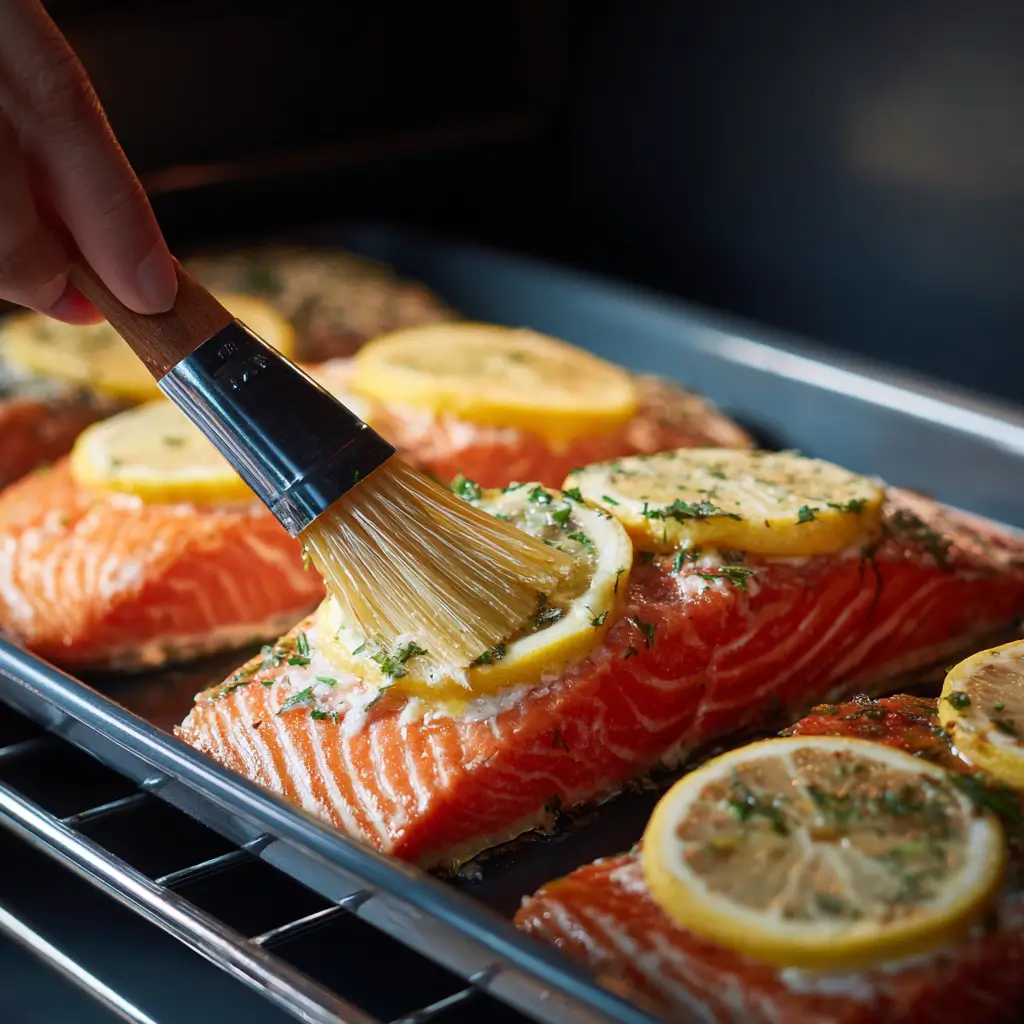
For more guidance on finishing times and internal temperature safety, check out the Traeger Smoked Salmon Fillet Recipe — it includes step-by-step heat settings designed to prevent both undercooked and dry results.
Fixing Overcooked Smoked Salmon — From Dry to Delicious
If your smoked salmon turned out dry or leathery, don’t give up on it. With the right overcooked smoked salmon fix, you can bring moisture, texture, and flavor back to life. Even if it’s a bit tough, there are easy ways to restore juiciness—or turn it into something entirely new and delicious.
Step 1: Add Back Moisture
The best fix for smoked salmon too dry is gentle rehydration. Brush the fillet with melted butter, olive oil, or a mix of lemon juice and honey. Then wrap it tightly in foil and warm it in your oven at 250 °F for 5–7 minutes. This helps reabsorb flavor and softens the outer layer without cooking it further.
For extra richness, drizzle a bit of cream or sour cream when serving—it complements the smoky flavor and hides any dryness beautifully.
Step 2: Repurpose the Salmon
Sometimes, the smartest overcooked smoked salmon fix is to transform it. Flake the salmon and mix it into:
- Scrambled eggs or omelets for a creamy, smoky breakfast.
- Salmon salad with mayo, dill, and lemon zest.
- Pasta or risotto with cream sauce for a restaurant-style twist.
These dishes mask dryness while keeping the flavor front and center. You can even blend it into a smoked salmon dip—the oil and cream make it smooth again.
Step 3: Prevent Future Dryness
To stop overcooking next time, always monitor internal temperature closely. Pull salmon from the smoker once it reaches 140 °F and let it rest. Resting is what seals in juices and ensures that silky finish you love.
With a bit of care, even overcooked smoked salmon can be saved. A thoughtful overcooked smoked salmon fix turns mistakes into new favorite recipes.

Learn more about combining flavors in the Smoked Salmon and Egg recipe for a quick, delicious way to reuse leftover salmon.
Best Practices for Smoking Salmon to Avoid the Problem
The best overcooked smoked salmon fix is prevention. Once you learn how to control heat, timing, and moisture, you’ll rarely deal with dry or raw results again. Smoking salmon isn’t just about flavor—it’s about consistency and care.
Set the Right Temperature and Time
Perfect smoked salmon comes from precision. Keep your smoker between 180 °F and 200 °F. Lower than that, and you risk undercooked smoked salmon; higher, and it dries out fast. The sweet spot ensures even cooking and a silky texture.
- Thin fillets: 1–1.5 hours
- Thick fillets: 2–3 hours
Always check the internal temperature—140 °F signals it’s done.
Prep and Rest the Salmon Properly
Start with room-temperature salmon to help it cook evenly. Pat it dry before adding your rub or brine—moisture on the surface can cause uneven smoking. After smoking, let it rest for at least 10 minutes to lock in juices.
Avoid Common Smoking Salmon Mistakes
Many problems come from impatience or overhandling. Here’s how to keep things simple:
- Don’t lift the smoker lid too often—it drops temperature.
- Use mild wood like apple, alder, or cherry for gentle smoke.
- Don’t over-brine or over-season; salt draws out moisture.
Mastering these steps turns guesswork into skill. With time, your overcooked smoked salmon fix won’t be needed—you’ll pull perfectly smoked fillets from your smoker every time.
If you’re new to smoking, check out the DIY Smoked Salmon Guide for beginner-friendly instructions and visual temperature tips that make the process foolproof.
Tools, Techniques & Troubleshooting for Perfect Smoked Salmon
Having the right setup makes all the difference between a stressful smoke and a smooth one. A great overcooked smoked salmon fix starts with prevention—and prevention begins with tools that help you control heat, smoke, and timing precisely.
Essential Tools for Smoking Salmon
To get consistent results, these are your must-haves:
- Digital thermometer: your best defense against smoked salmon too dry or undercooked centers. Always track internal temperature—pull at 140 °F.
- Reliable smoker or grill: consistent heat is more important than size. Electric, pellet, or charcoal—all can work if maintained well.
- Water pan: helps maintain humidity and prevents drying out.
- Quality wood chips: alder, apple, or cherry for a subtle smoky note that doesn’t overpower.
Troubleshooting Quick Guide
Even with good tools, mistakes happen. Here’s how to identify and fix them fast:
| Problem | Likely Cause | Quick Fix |
|---|---|---|
| Salmon too dry | Too hot or too long | Brush with olive oil or butter, reheat gently in foil |
| Salmon undercooked | Low smoker temp | Return to smoker at 200 °F for 5–10 minutes |
| Bitter flavor | Too much smoke or strong wood | Switch to milder wood, shorten smoke time |
| Uneven texture | Cold spots or poor airflow | Rotate salmon halfway through smoking |
When you understand these simple adjustments, your overcooked smoked salmon fix becomes second nature—you’ll know exactly what to tweak next time.
Keep refining your process, trust your tools, and let the salmon tell you when it’s ready—the texture and color always reveal the truth.
Want to explore more equipment ideas? Check out Tools for Smoking Salmon for a full breakdown of must-have gear and how each one affects smoke flavor and moisture control.
Frequently Asked Questions (FAQs)
How to tell if salmon is overcooked or undercooked?
Overcooked smoked salmon looks pale and feels firm or dry when touched—it flakes apart easily and lacks shine. Undercooked salmon, on the other hand, looks darker and glossy in the center with a soft, slippery feel. A quick test? Use a thermometer: 140–145 °F means it’s done. Anything below 130 °F is still undercooked.
Can smoked salmon be undercooked?
Yes, especially when hot-smoking at too low a temperature or for too short a time. Undercooked smoked salmon isn’t unsafe if it’s cold-smoked intentionally, but hot-smoked fish must reach safe internal temps. If it’s raw in the middle, gently return it to a 200 °F smoker or oven for 5–10 minutes to finish cooking without drying it out.
Why is my smoked salmon so raw?
Your salmon likely didn’t stay in the smoker long enough or wasn’t heated evenly. A cool smoker or thick fillet can leave the inside raw even when the outside looks cooked. The fix is simple—reheat gently until it reaches 140 °F.
Why is my salmon still raw after cooking?
If your salmon stays raw after cooking, the temperature wasn’t steady. Hot spots, cold fish, or poor airflow can all prevent even cooking. Next time, let your salmon rest at room temperature before smoking and use a calibrated thermometer. These small habits reduce mistakes and make your overcooked smoked salmon fix less necessary.
For consistent results, read our Beginner Smoked Salmon Recipe to master timing and temperature control.
Conclusion
Smoking salmon is an art of balance—too much heat and you lose moisture, too little and it stays raw. Once you understand how temperature, time, and texture work together, an overcooked smoked salmon fix becomes simple, and mistakes turn into lessons.
Whether your salmon ends up a little tough or slightly underdone, the solutions are quick and forgiving. Gently reheat, rehydrate, or repurpose—each method helps recover that soft, smoky flavor you were after.
Remember: the key to perfect smoked salmon is patience. Start with the right prep, monitor heat carefully, and always let your fish rest before slicing. With practice, you’ll find your rhythm—and soon, every fillet will come out silky, moist, and full of flavor.
Want to learn more about perfecting your smoke style? Explore Hot vs Cold Smoked Salmon to understand how temperature differences change taste and texture completely.
And for ongoing tips, connect with our community on Facebook or follow Craftsman Recipes on Pinterest for new smoked salmon ideas every week.