
Cold vs hot smoked salmon nutrition isn’t just about flavor—it’s about understanding how two smoking styles transform the same fish into distinct nutritional experiences. Whether you’re seeking heart-healthy fats, protein for muscle support, or watching sodium levels, the nutrition of cold vs hot smoked salmon can influence your diet more than you might think.
Cold-smoked salmon and hot-smoked salmon both deliver that unmistakable smoky depth, but their differences in omega-3 retention, protein density, and moisture content make one a better fit depending on your goals. In this detailed guide, we’ll explore everything about cold vs hot smoked salmon nutrition, including how each smoking method affects calories, fat balance, and overall wellness.
If you’re passionate about cooking and want to explore smoked salmon recipes, join our food-loving community on Facebook for inspiration and expert tips.
Table of Contents
Understanding Cold vs Hot Smoked Salmon
What Makes Cold Smoked Salmon Different from Hot Smoked Salmon
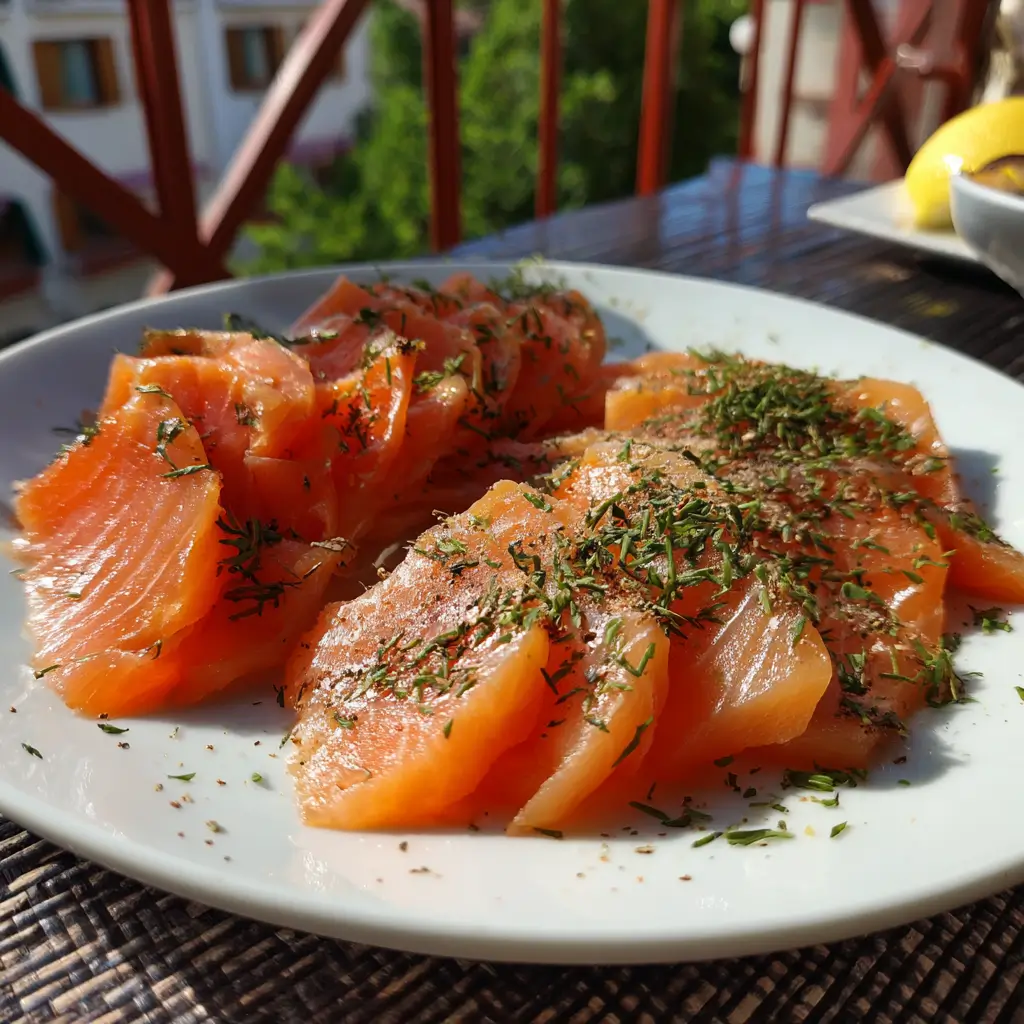
The main difference in cold vs hot smoked salmon nutrition starts with how each is prepared. Cold-smoked salmon is salt-cured and smoked below 90 °F, so it never cooks. This gentle process preserves omega-3 oils and protein integrity, giving cold-smoked salmon nutrition a clear edge in fat quality and heart benefits.
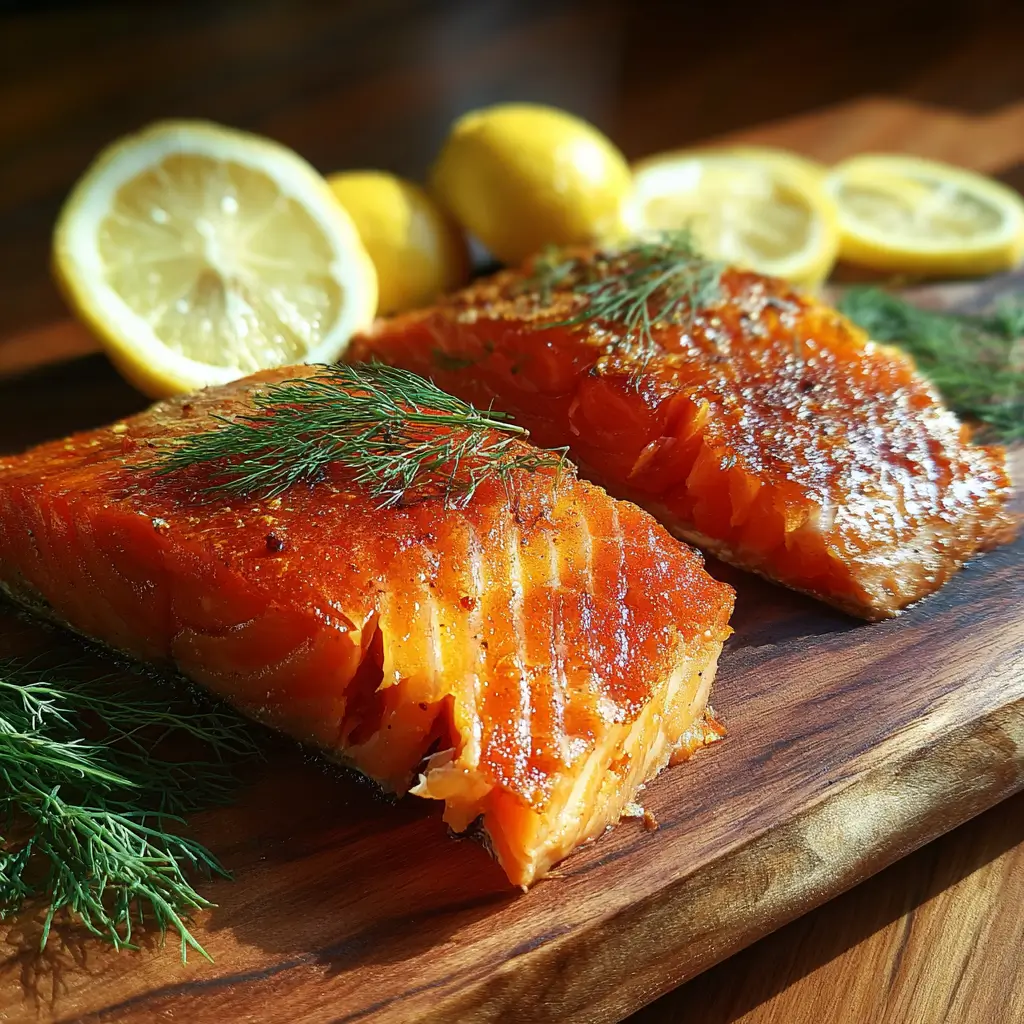
Hot-smoked salmon, smoked between 120 °F and 180 °F, cooks completely. It loses a bit of omega-3 but gains safety and digestibility. Many people find hot-smoked salmon nutrition higher in protein concentration, thanks to moisture loss and firmer texture.
The Smoking Process: Temperature, Time, and Texture Differences
Temperature and time strongly shape cold vs hot smoked salmon nutrition. Cold smoking lasts 12–24 hours at gentle heat, protecting omega-3s and keeping the texture silky. That’s why cold-smoked salmon nutrition tends to retain more healthy fats.
Hot smoking, in contrast, runs 4–8 hours at higher heat. It creates a firmer, flakier fish that’s safe and rich in protein. From a hot-smoked salmon nutrition standpoint, you trade a bit of omega-3 for convenience and flavor depth.
Key Takeaway:
If you want maximum omega-3 and smooth texture, cold-smoked salmon wins on nutrition. But for a protein-dense, ready-to-eat choice, hot-smoked salmon may be the healthier everyday pick.
Learn more about their smoking methods in our guide on hot vs cold smoked salmon.
Cold vs Hot Smoked Salmon Nutrition Breakdown
Smoked Salmon Nutrition Facts: Calories, Protein, and Fat Content
To truly understand cold vs hot smoked salmon nutrition, let’s break down the numbers that matter most. On average, a 3-ounce serving of cold-smoked salmon provides around 100 calories, 16 grams of protein, 4 grams of fat, and nearly 0 grams of carbohydrates. Because the fish isn’t cooked, the fats remain rich in omega-3 fatty acids, which are known to support heart and brain health.
Hot-smoked salmon, by contrast, comes in slightly higher—about 120 calories and 18 grams of protein per 3-ounce portion, with roughly 5 grams of fat. That’s because the hot-smoking process reduces water content, concentrating both nutrients and flavor. However, this also means hot-smoked salmon nutrition tends to have a slightly higher sodium level, depending on the brine or seasoning used.
Here’s a quick comparison table to make things clear:
| Nutrient (per 3 oz) | Cold-Smoked Salmon | Hot-Smoked Salmon |
|---|---|---|
| Calories | 100 | 120 |
| Protein (g) | 16 | 18 |
| Fat (g) | 4 | 5 |
| Omega-3 (mg) | ~1,200 | ~1,000 |
| Sodium (mg) | 600–700 | 700–900 |
Comparing Omega-3 in Smoked Salmon: Cold vs Hot Smoking
Omega-3 fatty acids are one of the biggest factors when discussing cold vs hot smoked salmon nutrition. These essential fats help reduce inflammation, support cardiovascular health, and may even boost cognitive function.
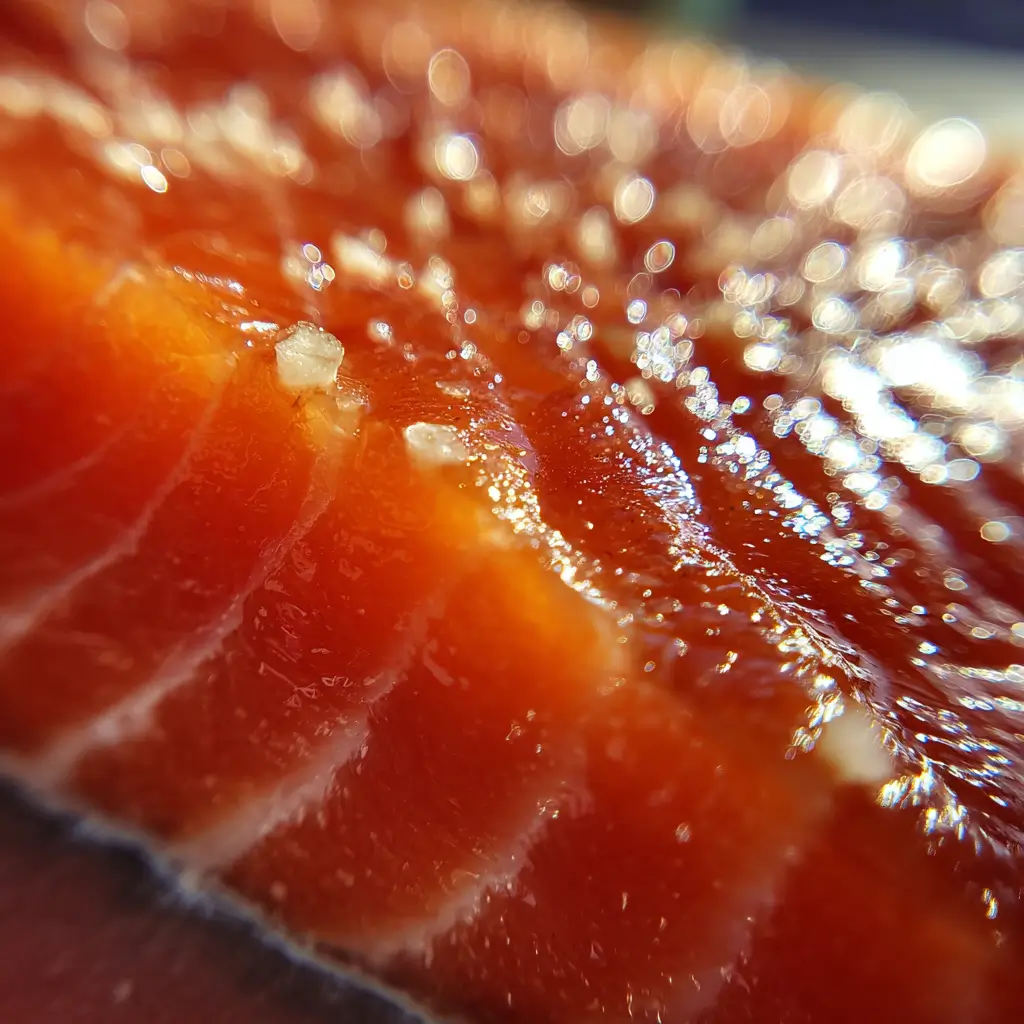
In cold-smoked salmon, the gentle smoking method protects these delicate fats, resulting in slightly higher omega-3 levels—typically around 1,100 to 1,200 mg per 3-ounce serving. That’s roughly 10–15% more than hot-smoked salmon, which loses a small portion of its oils during the high-heat process.
Still, hot-smoked salmon nutrition remains impressive, offering about 1,000 mg of omega-3s per serving—well above the daily recommended intake for most adults. So, whether you choose cold or hot smoked, both provide powerful doses of heart-healthy fats.
In short, when comparing the nutrition of cold vs hot smoked salmon, cold smoking slightly edges out hot smoking in omega-3 retention, while hot smoking delivers more concentrated protein. It’s a balance between nutrient preservation and flavor development—both worthy choices depending on your needs.
As you can see, the nutritional gap between cold vs hot smoked salmon nutrition isn’t dramatic, but small differences—especially in omega-3 and sodium—can affect long-term dietary choices.
Discover great insights in our full smoked salmon nutrition comparison.
Is Hot Smoked Salmon Healthy?
Nutritional Benefits of Hot Smoked Salmon
When discussing cold vs hot smoked salmon nutrition, many people wonder if the hot-smoked version is as healthy as it tastes. The answer is yes—hot-smoked salmon offers several nutritional advantages that make it a smart addition to most balanced diets.
Because the hot-smoking process cooks the salmon at temperatures between 120°F and 180°F, it reduces moisture and intensifies nutrients. Each 3-ounce portion provides roughly 18–20 grams of protein, making hot-smoked salmon nutrition ideal for maintaining muscle health and supporting a high-protein diet.
Beyond protein, this smoked fish delivers a rich source of vitamin D, B12, and selenium, all essential for immune function, energy, and bone strength. It’s also low in carbohydrates and full of heart-healthy fats—though slightly less omega-3 than cold-smoked salmon.
Even with this difference, the nutrition of cold vs hot smoked salmon shows both types provide significant omega-3 benefits, easily surpassing what most Americans consume daily.
When Hot Smoking Enhances or Reduces Nutrients
The heating process in hot smoking affects cold vs hot smoked salmon nutrition in several key ways. High temperatures can slightly reduce omega-3 retention—usually by about 10–15%—but they also enhance digestibility and make proteins easier for your body to absorb. This means your body actually uses the nutrients more efficiently.
Another benefit of hot-smoked salmon nutrition is food safety. The cooking temperatures destroy bacteria like Listeria monocytogenes, which can occasionally appear in cold-smoked varieties. This makes hot-smoked salmon a better choice for pregnant women, children, and those with compromised immune systems.
However, it’s worth keeping an eye on sodium levels. Because hot smoking involves brining, sodium can climb up to 900 mg per 3-ounce serving. To balance this, pair your salmon with potassium-rich foods like spinach or avocado.
In short, while cold vs hot smoked salmon nutrition shows minor nutrient trade-offs, hot-smoked salmon remains a nutrient-dense, protein-rich, and safe seafood choice that fits comfortably into heart-healthy diets.
If you’re looking for a simple, beginner-friendly version, check out our beginner smoked salmon recipe for guidance on creating perfectly smoked fillets at home.
Is Cold Smoked Salmon Healthy?
Nutrient Profile of Cold Smoked Salmon
When comparing cold vs hot smoked salmon nutrition, cold-smoked salmon often takes the lead in nutrient retention. Smoked gently below 90°F, it stays uncooked yet deeply flavorful. This process protects delicate omega-3 oils and lean protein, giving cold-smoked salmon nutrition an advantage in overall health value.
A 3-ounce serving typically delivers 100 calories, 16 grams of protein, and around 1,200 mg of omega-3 fatty acids. Those numbers make it a great choice for supporting heart, joint, and brain health. The slower smoking process keeps essential nutrients like vitamin D, B12, and niacin intact, making cold-smoked salmon nutrition a favorite for clean eating and high-quality protein seekers.
Risks and Considerations: Sodium and Food Safety
Although cold vs hot smoked salmon nutrition looks impressive, there are a few points to consider before making it a daily habit. Cold-smoked salmon isn’t cooked, so it can carry a slight risk of bacterial contamination, particularly Listeria. For that reason, people who are pregnant, elderly, or have weakened immune systems should be cautious.
Another nutritional factor in the nutrition of cold vs hot smoked salmon is sodium. Cold-smoked salmon often contains 600–700 mg per serving, used in curing for preservation. While sodium adds flavor, too much can raise blood pressure and cause water retention. If you’re watching sodium, choose low-salt cold-smoked salmon or make your own at home to control seasoning.
Key Takeaway:
When handled properly and eaten in moderation, cold-smoked salmon nutrition delivers excellent omega-3s, lean protein, and vitamins. In the cold vs hot smoked salmon nutrition comparison, the cold version excels in nutrient preservation, while hot-smoked salmon wins for safety and convenience.
To get the timing and flavor just right, explore our step-by-step guide on cold smoked salmon time.
Omega-3 in Smoked Salmon — Why It Matters
Understanding Omega-3 Fatty Acids and Heart Health
One of the biggest distinctions in cold vs hot smoked salmon nutrition comes from omega-3 fatty acids. These healthy fats are the backbone of salmon’s reputation as a superfood. Omega-3s help lower triglycerides, reduce inflammation, and support heart rhythm and brain function—key reasons why both cold-smoked salmon nutrition and hot-smoked salmon nutrition deserve a spot in your diet.
Cold smoking preserves these delicate oils better than high-temperature methods. Because the fish isn’t cooked, cold-smoked salmon nutrition retains roughly 1,100–1,200 mg of omega-3s per 3 oz, compared to about 1,000 mg in hot-smoked salmon. That slight difference might not seem huge, but over time it contributes to greater cardiovascular benefits.
The nutrition of cold vs hot smoked salmon shows that both offer far more omega-3s than most seafood or meats, making either style a smart protein choice for heart health.
Cold vs Hot Smoked Salmon Omega-3 Retention
Omega-3 oils are sensitive to heat and oxidation, so temperature plays a major role in cold vs hot smoked salmon nutrition. During cold smoking, the gentle airflow and low heat preserve the fish’s natural oils. This is why cold-smoked salmon nutrition often has higher levels of EPA and DHA—the two omega-3s most closely linked to improved heart and brain performance.
Hot smoking, while still nutrient-rich, subjects the fish to higher heat for several hours, slightly reducing omega-3 levels. However, hot-smoked salmon nutrition remains robust, offering exceptional protein and more complete digestion thanks to the cooking process.
If you’re aiming for the ultimate balance of omega-3 content and food safety, alternating between cold and hot smoked salmon can provide the best of both worlds. Each version supports your wellness in a unique way, which is why so many nutritionists praise the overall cold vs hot smoked salmon nutrition profile as one of the most balanced among all seafood options.
Key Takeaway:
Whether you prefer silky cold-smoked slices or flaky hot-smoked fillets, both deliver an impressive dose of omega-3 fatty acids. For maximum heart benefits, cold-smoked salmon nutrition edges ahead, but hot-smoked salmon still ranks as a wholesome, protein-rich favorite.
Learn more about balancing smoke flavor and nutrient retention in our guide on best wood for smoking salmon.
Sodium, Additives, and Health Impacts
Sodium Levels in Cold vs Hot Smoked Salmon
Sodium plays a major role in cold vs hot smoked salmon nutrition. Both types are brined before smoking, but the final salt content depends on temperature and time. Cold-smoked salmon nutrition usually includes 600–700 mg of sodium per 3-ounce serving, while hot-smoked salmon nutrition can reach 800–900 mg due to moisture loss during cooking.
Although that amount isn’t excessive for most people, anyone managing blood pressure should limit portion sizes. Opting for low-sodium or homemade smoked salmon can help
Balancing Taste and Health: Choosing Low-Sodium Options
When comparing cold vs hot smoked salmon nutrition, the cleaner your ingredients, the better your health payoff. Some commercial versions use preservatives, nitrates, or flavor additives that raise sodium or sugar content. Choose salmon labeled “naturally smoked” or “nitrate-free” to keep your meal wholesome.
Cold-smoked salmon nutrition tends to stay purer, with simple salt curing, while hot-smoked salmon may have added rubs or glazes. To balance saltiness, serve smoked salmon with citrus, greens, or whole grains for a fresh, nutritious meal.
Key Takeaway:
In terms of cold vs hot smoked salmon nutrition, cold-smoked salmon usually wins for lower sodium, while hot-smoked salmon offers cooked convenience and flavor variety. Both can fit into a heart-healthy diet when chosen carefully.
you enjoy the same rich flavor with less salt. For an easy, flavorful option, try our smoked salmon rub recipe.
Which Smoked Salmon Is Healthier?
Comparing Overall Nutrition and Health Benefits
When it comes to cold vs hot smoked salmon nutrition, both offer impressive health benefits—but in slightly different ways. Cold-smoked salmon nutrition shines in omega-3 content, healthy fats, and vitamin preservation, while hot-smoked salmon nutrition leads in digestibility, food safety, and protein concentration.
Cold-smoked salmon’s gentle curing method keeps more of the fish’s natural oils intact, making it an excellent choice for heart and brain health. On the other hand, the hot-smoking process gives you a cooked, ready-to-eat product that’s rich in lean protein and ideal for anyone looking to increase dietary protein without adding extra fat.
When you break down the nutrition of cold vs hot smoked salmon, the differences are small but meaningful. Cold-smoked versions retain slightly higher omega-3 levels (up to 15% more), while hot-smoked salmon delivers better digestibility and safety.
Choosing Based on Your Diet and Lifestyle Goals
Your ideal choice in cold vs hot smoked salmon nutrition depends on your goals. If you’re focusing on omega-3s, lower sodium, and vitamin retention, cold-smoked salmon is likely the better match. It fits well in light meals—think bagels, salads, and breakfast toasts.
If you prefer higher protein and cooked convenience, hot-smoked salmon may fit your diet better. It’s perfect for quick lunches, hearty dinners, or meal prepping since it’s ready to eat right out of the package.
Ultimately, both types of smoked salmon offer premium nutrition and versatility. Enjoying both—alternating between cold and hot-smoked—can help you balance nutrients, flavors, and textures throughout the week.
Key Takeaway:
In the cold vs hot smoked salmon nutrition debate, there’s no wrong choice. Cold-smoked salmon preserves more omega-3s and vitamins, while hot-smoked salmon provides better safety and protein density. Together, they create a balanced, nutrient-rich addition to any diet.
For a deeper understanding of texture and flavor differences, discover great insights in fully smoked salmon explained.
FAQs About Smoked Salmon Nutrition
Which smoked salmon is healthiest?
When comparing cold vs hot smoked salmon nutrition, both are healthy, but for slightly different reasons. Cold-smoked salmon nutrition offers more omega-3 fatty acids and vitamin retention since it’s never heated, making it ideal for heart health and anti-inflammatory benefits. Hot-smoked salmon nutrition, meanwhile, provides complete protein, cooked safety, and easier digestion. For most people, alternating between the two provides the best balance of nutrients.
Is sockeye or Atlantic smoked salmon better?
From a nutritional standpoint, sockeye salmon tends to outperform Atlantic salmon. Sockeye is leaner, denser in omega-3s, and higher in antioxidants like astaxanthin, giving it that deep red color. In both cold vs hot smoked salmon nutrition, sockeye versions usually contain fewer calories but more healthy fats per bite, making them a top choice for health-conscious eaters.
Which is healthier, smoked salmon or cooked salmon?
Both smoked and cooked salmon are nutritious, but there are small differences. Smoked salmon nutrition, especially cold-smoked salmon nutrition, retains more omega-3s but contains more sodium. Cooked salmon, on the other hand, has less sodium and slightly higher vitamin B12 levels. When comparing the nutrition of cold vs hot smoked salmon to baked or grilled salmon, the choice depends on your priorities—smoked for flavor and healthy fats, cooked for lower salt and simpler digestion.
Is smoked salmon healthy daily?
Yes, smoked salmon can be part of a healthy diet when enjoyed in moderation. However, it’s best not to eat it every day due to sodium content. Both cold vs hot smoked salmon nutrition provide essential fatty acids and protein, but limit intake to 2–3 times per week to balance sodium and avoid overconsumption of cured foods. Pair with vegetables, whole grains, or avocado for a heart-healthy meal that delivers both flavor and nutrition.
Conclusion – Making a Smarter Choice
Recap: The Healthiest Way to Enjoy Smoked Salmon
After breaking down cold vs hot smoked salmon nutrition, it’s clear that both types bring incredible flavor and real health value to the table. Cold-smoked salmon nutrition excels in preserving omega-3 fatty acids and delicate vitamins, while hot-smoked salmon nutrition offers a cooked, protein-packed option that’s safe and satisfying.
If you’re after silky texture and maximum omega-3 retention, cold-smoked salmon is the better pick. But if you prefer a hearty, ready-to-eat fish that’s rich in protein and low in moisture, hot-smoked salmon may suit your daily routine better. Both provide essential fats, lean protein, and B vitamins, making them standout choices for a balanced diet.
Final Thoughts: Cold vs Hot Smoked Salmon Nutrition Verdict
In the end, there’s no single winner—just a smarter choice for your needs. For heart health and flavor finesse, cold-smoked salmon nutrition comes out slightly ahead. For convenience, safety, and muscle-building protein, hot-smoked salmon nutrition takes the lead.
Whichever you choose, enjoying both in moderation is the perfect way to capture the full benefits of the nutrition of cold vs hot smoked salmon. Pair with whole grains, vegetables, or avocado to make a meal that’s as wholesome as it is delicious.
Looking for inspiration? Try our Pinterest page for smoked salmon recipes, plating ideas, and healthy meal combinations you can make at home.
Cold vs Hot Smoked Salmon Nutrition Guide

Equipment
- Smoker (cold or hot) Used for preparing salmon at different temperatures.
- Kitchen scale To weigh serving sizes accurately.
- Cutting board
- Sharp knife
Ingredients
- 3 oz cold-smoked salmon
- 3 oz hot-smoked salmon
Instructions
- Compare smoking methods: Cold-smoked salmon is cured and smoked below 90°F, preserving delicate fats. Hot-smoked salmon is smoked at 120–180°F, fully cooking the fish.
- Analyze calorie and macronutrient differences: Cold-smoked salmon contains ~100 kcal, 16g protein, 4g fat. Hot-smoked has ~120 kcal, 18g protein, 5g fat per 3 oz.
- Consider omega-3 content: Cold-smoked salmon retains ~1,200 mg omega-3s, while hot-smoked offers ~1,000 mg.
- Evaluate sodium levels: Cold-smoked salmon contains 600–700 mg sodium per 3 oz, while hot-smoked ranges from 700–900 mg.
- Choose based on health goals: Cold-smoked salmon excels in fat quality and vitamin retention. Hot-smoked is better for protein and safety.