
Cedar wood for smoking salmon is the secret behind that deep, smoky flavor and mouthwatering aroma that makes salmon truly unforgettable. When salmon meets the warm, fragrant smoke of cedar, something special happens—the wood’s natural oils infuse every bite with a gentle sweetness and rich, earthy undertone.
Using cedar wood for smoking salmon brings out the best in this fish: tender texture, balanced smokiness, and that signature woodsy flavor that turns a simple meal into a backyard classic. Whether you’re grilling or hot-smoking, cedar planks and chips give salmon a perfect blend of moisture, flavor, and aroma.
In this guide, you’ll learn how to use cedar planks and chips, why cedar beats other woods like alder, and the simple tricks that make smoked salmon turn out perfect every time.

Looking for more salmon inspiration? Check out this miso-glazed version from The Cheesecake Factory.
And don’t forget to follow us on Facebook for daily smoked salmon recipes.
Table of Contents
Understanding Cedar Wood for Smoking Salmon
What Makes Cedar Wood Ideal for Smoking?
Cedar’s natural resins and oils make it one of the most flavorful woods for smoking fish. When you use cedar wood for smoking salmon, the heat releases aromatic smoke that blends beautifully with salmon’s natural fats. The result is moist, tender fillets with a distinct cedar-sweet finish.
Unlike hickory or mesquite, cedar offers a balanced smoke—rich but never overpowering. It enhances salmon’s buttery flavor, keeping the fish juicy and smoky without tasting bitter.
The Unique Aroma and Flavor Cedar Adds to Salmon
The magic of cedar plank salmon lies in its aroma. As the plank heats, the cedar releases steam and smoke that wrap the fish in a naturally sweet, smoky fragrance. This not only enhances flavor but helps salmon retain moisture, resulting in a delicate texture and irresistible glaze.
For more flavor options beyond cedar, discover the best woods for smoking salmon and learn how to combine them for custom smoke blends.
The Science Behind Cedar Plank Salmon
How Cedar Planks Enhance Moisture and Texture
When you use cedar wood for smoking salmon, you’re not just adding flavor—you’re changing the way heat interacts with the fish. A cedar plank acts as a natural barrier between the salmon and direct heat, allowing it to cook gently and evenly. This helps the salmon absorb smoky flavor while staying moist and tender.
The plank’s surface releases steam as it heats, sealing in the fish’s natural juices. This process creates that famous buttery texture you get with cedar plank salmon—soft, flaky, and bursting with smoky-sweet depth. It’s why many chefs prefer cedar planks for delicate fish rather than metal grates or foil.
Another benefit is the mild caramelization that happens where the salmon touches the wood. That subtle crust adds richness and color without drying the fish out. It’s this balance of gentle smoke and steady heat that makes cedar so valuable for both home cooks and pros.
The Role of Smoke Chemistry in Salmon Flavor
Cedar’s natural compounds—like phenols and lignin—break down when heated, releasing aromatic molecules that cling to salmon’s surface. These compounds add complexity: hints of spice, vanilla, and light sweetness that deepen over time. That’s why cedar wood for smoking salmon delivers a fuller, rounder flavor than faster cooking methods.
Compared to other woods like alder, cedar imparts a bolder aroma and a darker color. Alder smoke is lighter and slightly sweet, while cedar smoke has more character—earthy, resinous, and warming. This makes cedar ideal for strong-flavored glazes or marinades that can stand up to robust smoke, such as brown sugar, soy, or maple.
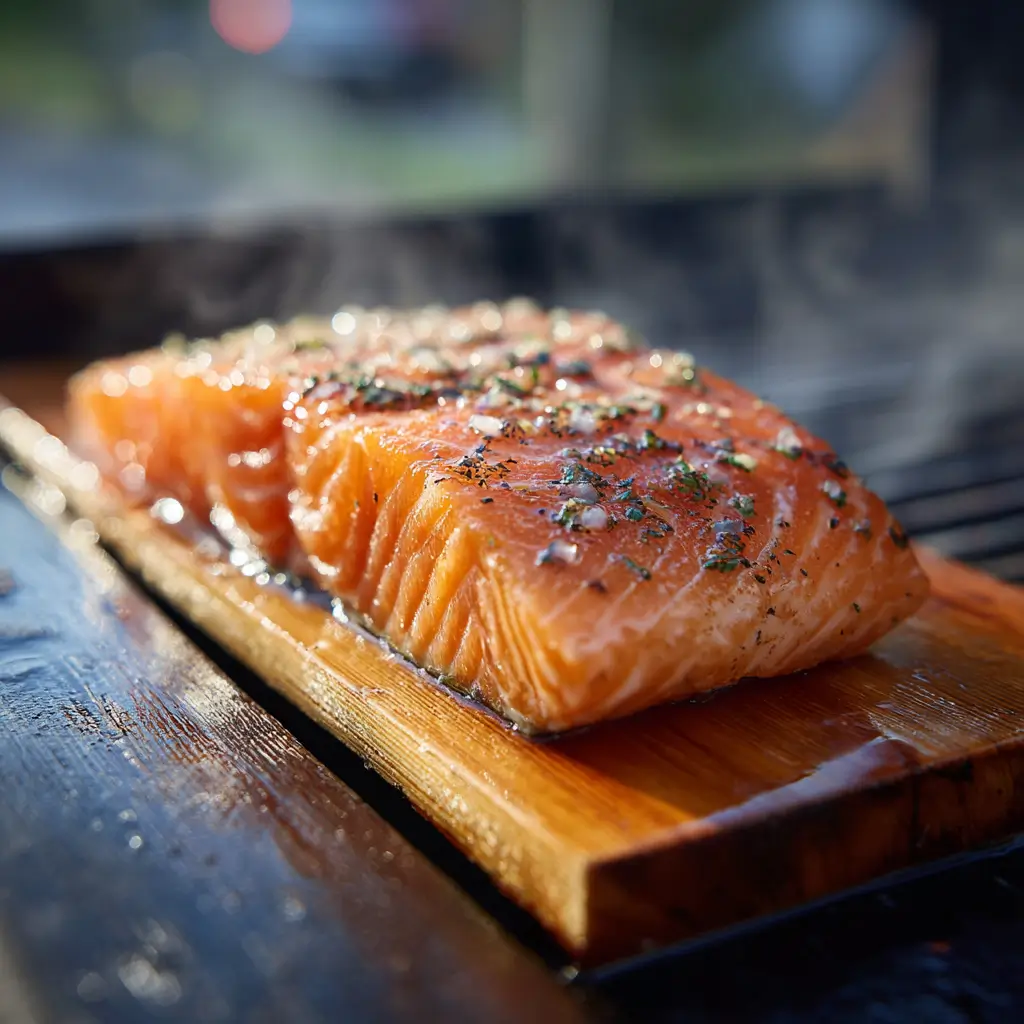
For a closer comparison of smoke profiles, read our breakdown of cedar vs alder for smoking. You’ll discover how combining the two can create a balanced, layered flavor perfect for gourmet-style salmon.
Cedar Chips vs. Cedar Planks for Smoked Salmon
Comparing Smoke Intensity: Chips vs. Planks
Both cedar planks and cedar chips have their place in perfecting cedar wood for smoking salmon, but the experience they deliver is quite different. Cedar planks produce a gentler, aromatic smoke that slowly infuses salmon as it cooks. They act as a barrier between the grill and the fish, creating a moist, steamed effect that enhances tenderness.
Cedar chips for smoked salmon, on the other hand, burn faster and release more concentrated smoke in a shorter time. This results in a stronger, bolder flavor—perfect for thicker cuts or when you want that campfire-style smokiness. Chips are also ideal for hot-smoking setups or when you’re using a pellet grill.
To strike the perfect balance, some grillers combine both: using a cedar plank for even cooking and cedar chips underneath for extra smoky punch. The key is to soak both the plank and chips in water for at least 30–45 minutes before grilling; this slows combustion and produces flavorful steam instead of harsh smoke.
When to Use Cedar Chips for Smoked Salmon
Cedar chips work best when you’re short on time or cooking smaller portions. They heat up fast and provide a quick burst of cedar essence, ideal for hot-smoking techniques or flavoring salmon fillets on a gas grill. Just a handful of chips can turn an ordinary cookout into a gourmet experience.
If you prefer mild, balanced smoke, cedar planks are your best option. But when you want that pronounced, woody edge, go for chips. They’re especially great when combined with fruitwoods like apple or cherry to add natural sweetness.
You can also wrap salmon in foil packets with soaked cedar chips underneath for a hybrid method—great for juicy results and less cleanup. For those who want to explore more smoking setups, discover our guide to smoking salmon without a smoker, perfect for apartment balconies or indoor-friendly cooking.
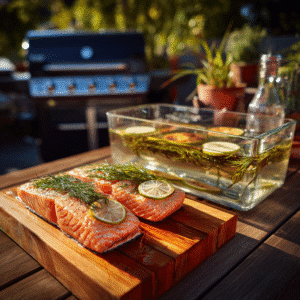
Cedar Wood for Smoking Salmon – The Secret to Flavorful, Smoky Perfection
Equipment
- cedar plank or chips food-safe, untreated
- grill or smoker
- bowl or dish for soaking plank
- grill tongs or gloves
- basting brush for oil or glaze
Ingredients
- 1 medium salmon fillet (skin-on, about 170g)
- 1 cedar plank (food-safe, untreated)
- 1 tbsp olive oil (for brushing)
- 1 tbsp brown sugar (optional glaze)
- 1 tbsp soy sauce or maple syrup (optional marinade)
- 1 tsp lemon juice or zest (for brightness)
- 1 pinch salt (for plank and seasoning)
Instructions
- Soak the cedar plank in water for at least 45–60 minutes to prevent burning and allow it to release aromatic steam.
- Pat the salmon dry and brush lightly with olive oil. Season with salt and optional marinade or glaze if using.
- Preheat grill or smoker to 375°F (190°C) for plank grilling or 225°F (107°C) for slow smoking. Place soaked plank over indirect heat.
- Place the salmon fillet skin-side down on the cedar plank. Close lid and cook for 20–30 minutes (grill) or 1–1.5 hours (smoker), depending on method.
- Check doneness: salmon should flake easily but stay moist. Let it rest 5 minutes before serving to enhance flavor.
Notes
Nutrition
Cedar vs. Alder for Smoking – Which Wins for Salmon?
Flavor Comparison: Cedar’s Boldness vs. Alder’s Sweetness
When comparing cedar wood for smoking salmon with alder, the difference comes down to strength and personality. Cedar wood for smoking salmon gives a bold, earthy smoke filled with natural oils that seep deep into the fish. It adds a rich, woodsy sweetness with subtle spice—perfect for marinades like brown sugar or maple glaze.
Alder, by contrast, produces a lighter, gentler smoke. It highlights salmon’s natural flavor instead of transforming it. While cedar creates that deep, smoky aroma many grillers love, alder keeps things clean and mild. Both woods are excellent—but cedar wins when you want strong character and a smoky edge that lingers.
Choosing the Right Wood for Different Smoking Styles
Your smoking style should guide your choice. For hot smoking, cedar wood for smoking salmon is unmatched—it infuses flavor while keeping fillets moist. Cedar planks or chips also protect the fish from direct heat, creating tender, smoky perfection.
Alder shines in cold smoking, where a lighter smoke preserves the salmon’s delicate texture. Its mild aroma ensures the fish stays smooth and silky. If you enjoy both methods, try mixing cedar and alder for layered flavor—cedar for boldness, alder for balance.
For a full breakdown of each technique, check out how to smoke salmon at home, whether you’re using a grill or a smoker.
Step-by-Step Guide to Smoking Salmon on Cedar
Preparing Your Cedar Plank or Chips the Right Way
The secret to mastering cedar wood for smoking salmon lies in preparation. Start by choosing untreated, food-safe cedar planks or natural cedar chips. Soak them in water for at least 45 minutes—an hour is even better. This keeps the wood from catching fire and allows it to release aromatic steam instead of dry smoke.
Before grilling, lightly season your plank with salt to open the wood’s pores, then brush a touch of oil on top to prevent sticking. When you place your salmon on the plank, the moisture from the cedar will blend with the heat, infusing your fish with that distinctive smoky sweetness cedar is famous for.
If you prefer a deeper smoky note, sprinkle a handful of soaked cedar chips for smoked salmon directly on the coals or in the smoker box. The combination of plank and chips gives the fish rich layers of flavor—soft cedar undertones followed by a warm, woodsy finish.
How Long to Smoke Salmon on Cedar for Perfect Results
Cooking time is crucial when using cedar wood for smoking salmon. The goal is to cook it slowly so the fish absorbs the full flavor without drying out. Most cedar-plank salmon takes 20 to 30 minutes at about 375°F (190°C) on a grill with the lid closed.
For low-and-slow smoking, aim for 225°F (107°C) for around 1 to 1.5 hours, depending on the thickness of your salmon fillets. You’ll know it’s ready when the fish flakes easily with a fork but still looks moist in the center.
Here’s a quick reference table to help you plan your perfect cedar-smoked salmon session:
| Smoking Method | Temperature | Time Range | Flavor Profile |
|---|---|---|---|
| Cedar Plank (Grill) | 375°F | 20–30 mins | Lightly smoky, moist texture |
| Cedar Chips (Smoker) | 225°F | 1–1.5 hrs | Bold cedar aroma, deep flavor |
| Cedar + Alder Mix | 250°F | 45–60 mins | Balanced, smooth smoke |
Always let your salmon rest for 5 minutes after removing it from the grill or smoker. This allows the oils and cedar essence to settle, locking in that irresistible aroma.
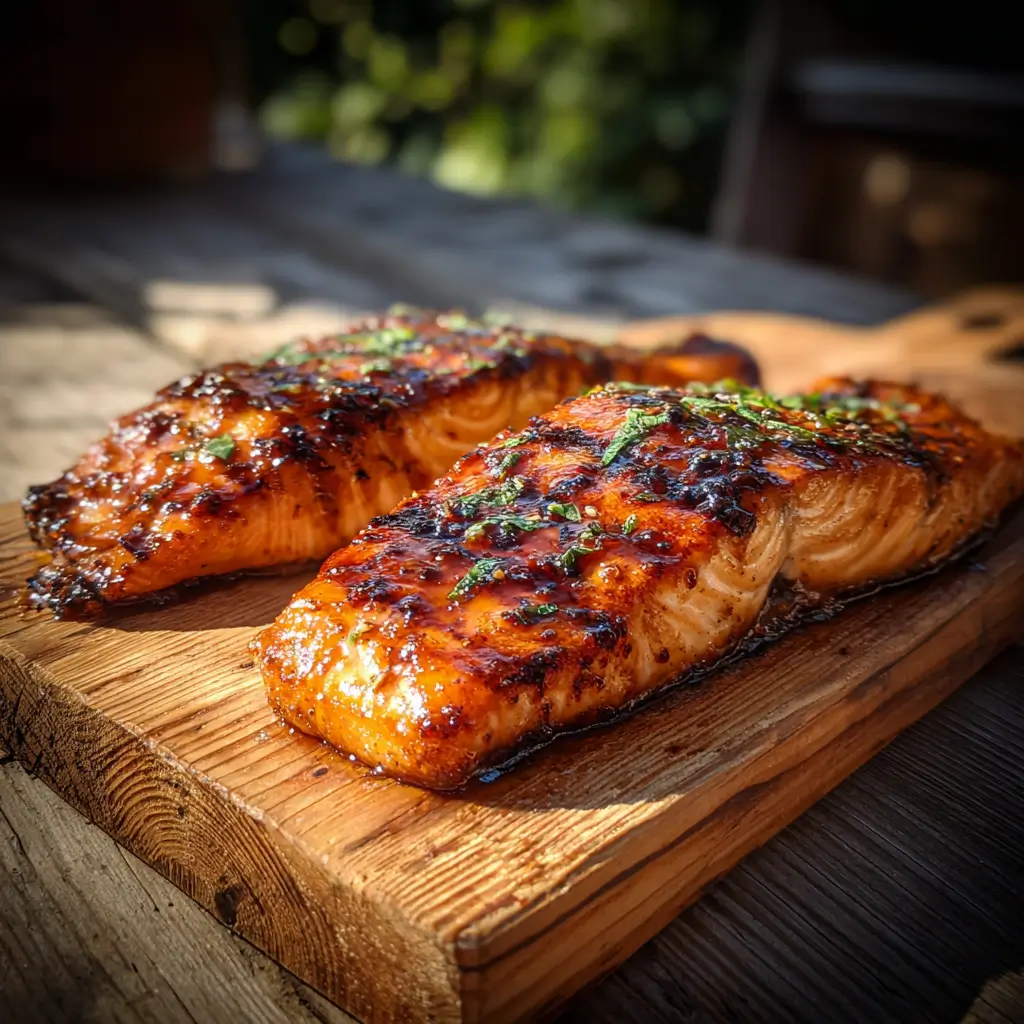
If you’re curious about timing variations for different thicknesses, learn how long to smoke salmon properly to achieve perfect texture every time.
Grilling Techniques for Cedar-Planked Salmon
Hot Smoking vs. Grilling on Cedar Boards
Cooking with cedar wood for smoking salmon is one of the easiest ways to get smoky flavor without a traditional smoker. The cedar plank protects the fish from direct heat while releasing aromatic oils that flavor every bite. It’s this combination of heat and cedar essence that gives salmon its signature smoky sweetness.
For hot smoking, cook over indirect heat around 375°F (190°C). The cedar plank will slowly smolder, releasing gentle smoke that seeps into the salmon. For grilling on cedar boards, place the plank directly over the heat for a few minutes to char slightly, then move it to indirect heat and add your salmon. This gives a crisp edge, tender center, and rich cedar aroma.
Maintaining the Ideal Temperature and Smoke Flow
When using cedar wood for smoking salmon, steady heat means everything. Keep your grill at a medium-high temperature—hot enough for light smoke, but not so high that the wood burns. You should see thin, blue smoke, not thick white plumes.
Preheat your grill before placing the soaked plank on the grates. This activates the cedar’s natural oils and helps your salmon absorb flavor immediately. Keep the lid closed to circulate smoke evenly and retain moisture.
Managing airflow is key: too much oxygen burns the plank; too little makes the smoke stale. Once you find that balance, your cedar wood for smoking salmon will produce perfectly cooked fish every time. For more setup advice, see our guide to tools for smoking salmon.
Tips and Mistakes to Avoid When Smoking Salmon with Cedar
Common Errors That Affect Flavor
Even seasoned grillers can make mistakes when using cedar wood for smoking salmon, and a few simple fixes can make all the difference. The most common error? Skipping the soak. Always soak cedar planks or chips for at least 45 minutes before grilling. If they’re dry, they’ll burn too quickly, turning your smoke bitter instead of aromatic.
Another mistake is over-smoking. Cedar has a strong flavor, and too much can overpower your salmon. Aim for light, steady smoke rather than thick white clouds. Also, resist the urge to flip your fish—let the cedar wood for smoking salmon do its job. The heat beneath the plank will cook it evenly while locking in flavor and moisture.
Don’t forget to check your heat source. Too much direct flame will scorch the plank, while too little will prevent the cedar’s oils from releasing their full aroma. Keep your grill around 350°F to 375°F for best results.
If your cedar plank catches fire, don’t panic—just mist it lightly with water and close the lid to control airflow. You’ll save both your wood and your dinner.
Best Practices for Safe and Tasty Cedar-Smoked Salmon
To get the best out of cedar wood for smoking salmon, start with clean, food-safe planks—no chemicals, varnish, or finishes. Always preheat your plank for a minute or two before adding salmon; this jumpstarts the smoking process.
Brushing the salmon with a thin layer of oil or marinade helps absorb the cedar flavor and prevents sticking. Keep the lid closed as much as possible to hold in moisture and cedar smoke. If you’re cooking multiple fillets, leave space between them so the smoke can circulate freely.
Lastly, reuse your cedar planks carefully. If the board isn’t too charred, you can rinse it and reuse it once or twice. However, once it’s heavily darkened or cracked, it’s time to replace it—the old wood can add bitterness.
For inspiration on new flavor pairings, explore our smoked salmon rub recipes, perfect for enhancing cedar’s natural depth.
Pairing and Serving Cedar-Smoked Salmon
Best Seasonings and Marinades for Cedar-Plank Salmon
One of the best things about cedar wood for smoking salmon is how it enhances almost any flavor profile. Cedar’s warm, smoky aroma pairs beautifully with both sweet and savory marinades. A mix of olive oil, brown sugar, and soy sauce is a classic choice—sweet enough to caramelize while letting the cedar’s earthy smoke shine through.
For something lighter, try lemon, dill, and garlic. These fresh flavors brighten the cedar’s depth without overpowering it. Sweet glazes like honey or maple syrup also blend perfectly with the natural oils released by cedar wood for smoking salmon during cooking.
Delicious Sides and Wine Pairings
The rich, smoky flavor from cedar wood for smoking salmon deserves fresh, balanced sides. Try pairing with grilled asparagus, citrus salad, or wild rice to complement the wood’s aroma. For wine, Pinot Noir and Chardonnay pair especially well—both enhance the cedar’s warmth and salmon’s buttery texture.
If you’d like to serve a lighter, contrasting dish alongside smoked salmon, try our salmon poke recipe for a refreshing balance of flavors.
FAQs About Cedar Wood for Smoking Salmon
Is cedar good for smoking salmon?
Yes, cedar wood for smoking salmon is one of the best choices you can make. Cedar adds a rich, aromatic smoke that enhances the salmon’s natural flavor while keeping it moist and tender. The wood releases natural oils as it heats, infusing the fish with a warm, earthy sweetness you can’t get from stronger woods like hickory or mesquite.
How long to smoke salmon on cedar?
When using cedar wood for smoking salmon, the time depends on your cooking method. For plank-grilling, it usually takes 20–30 minutes at around 375°F (190°C). For slower smoking at 225°F (107°C), expect about 1 to 1.5 hours. The fish is ready when it flakes easily but still looks moist in the center.
Which wood is best for smoking salmon?
While cedar wood for smoking salmon is a classic favorite for bold, aromatic flavor, alder remains another top choice for a milder, traditional profile. Cedar creates a deep, smoky sweetness, while alder keeps the taste clean and delicate. For creative flavor, try blending cedar with fruitwoods like apple or cherry to balance intensity with a hint of sweetness.
What does cedar do for salmon?
Cedar adds both flavor and texture. When using cedar wood for smoking salmon, the plank acts as a natural barrier from direct heat, letting the fish cook gently in aromatic steam. This keeps the salmon juicy while the cedar smoke infuses it with earthy, sweet undertones. It also creates a delicate crust that seals in the natural oils—making every bite smoky, moist, and flavorful.
For a step-by-step setup, read our guide to smoking salmon on cedar.
Conclusion: Why Cedar Wood for Smoking Salmon Is a Game-Changer
There’s a reason chefs and home grillers alike swear by cedar wood for smoking salmon—it transforms a simple piece of fish into something extraordinary. Cedar’s natural oils and slow-burning aroma infuse salmon with a rich, smoky sweetness while keeping the flesh moist, tender, and full of depth. Whether you use cedar planks or chips, this traditional technique gives your salmon a restaurant-quality finish right in your backyard.
From the first whiff of cedar smoke to the last flaky bite, the experience is both comforting and timeless. The balance between salmon’s buttery richness and cedar’s earthy flavor makes every meal feel handcrafted and memorable.
If you love experimenting with smoked dishes, see more salmon plating inspiration on Pinterest. For anyone looking to elevate their next cookout, cedar wood for smoking salmon remains the ultimate tool for flavor, texture, and tradition.