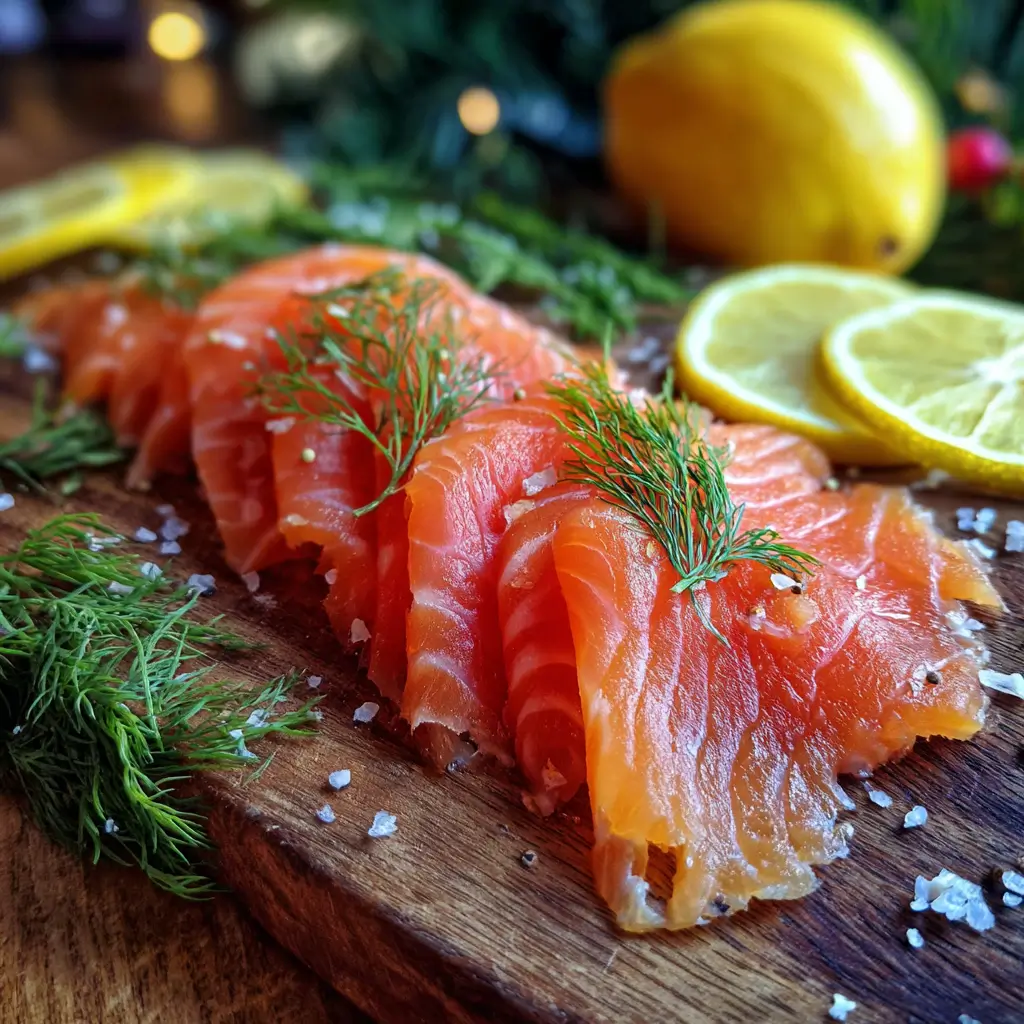
This cold smoked salmon recipe is your gateway to creating the kind of smooth, smoky, melt-in-your-mouth salmon usually reserved for gourmet brunch tables. Whether you’re a seasoned home cook or just starting out, you’ll learn how to cure, brine, and smoke salmon to perfection right in your own kitchen. The process might sound intimidating at first, but with the right tools and techniques, you’ll discover just how simple—and rewarding—it can be.
Cold smoking doesn’t actually cook the fish. Instead, it gently infuses salmon with aromatic smoke while keeping that silky raw texture intact. The key lies in controlling temperature, timing, and humidity to achieve that buttery finish that melts against the tongue. From mastering the cure to managing the airflow, every step plays a role in producing restaurant-quality results.
If you’re eager to add a personal touch, you’ll also learn how to experiment with woods, herbs, and seasonings for a truly homemade cold smoked salmon that reflects your taste.
Looking for creative plating ideas or flavor inspiration? Visit Pinterest for serving styles and smoked salmon pairings that impress every time.
Table of Contents
Understanding Cold Smoking and What Makes It Special
What Is Cold Smoked Salmon?
Cold smoked salmon is a delicacy made by curing salmon, then slowly exposing it to cool, flavorful smoke—usually under 90°F (32°C). This process gives the fish a buttery, melt-in-your-mouth texture with a clean, subtle smokiness. Unlike cooked salmon, cold smoked salmon stays raw but safe to eat after proper curing. It’s the foundation of any cold smoked salmon recipe worth mastering.
How Cold Smoking Differs From Hot Smoking
Cold smoking and hot smoking use the same principle—infusing food with smoke—but produce very different results. Hot smoking cooks the salmon, giving it a firm, flaky texture. Cold smoking keeps it silky and tender while building flavor slowly over several hours. Maintaining low temperatures is critical in any cold smoking salmon setup.
Why It’s Worth the Effort
Once you master this cold smoked salmon recipe, you’ll never buy prepackaged smoked fish again. The difference in texture and freshness is remarkable. Plus, when you make homemade cold smoked salmon, you control every element—salt level, smoke type, and flavor depth. Each batch becomes uniquely yours.
Want to compare both methods? Learn more about hot vs cold smoked salmon.
Cold Smoked Salmon

Equipment
- Cold smoker or smoke generator
- Thermometer (to monitor smoke chamber)
- Cooling pipe or tube
- Wire rack or mesh tray
- Plastic wrap
- Sharp knife (for slicing)
Ingredients
- 1 kg fresh salmon fillet (skin-on, pin bones removed)
- 150 g kosher salt
- 100 g brown sugar
- 1 tbsp crushed black pepper (optional)
- 1 tbsp lemon zest (optional)
- 1 tbsp chopped fresh dill (optional)
- 2 ice packs or trays (to regulate chamber temperature)
- 1 mild wood chips (apple, alder, or maple)
Instructions
- Rinse and pat dry your salmon. Trim off thin edges and remove pin bones for even curing and smoking.
- Mix kosher salt, brown sugar, and optional herbs or zest to make your dry cure. Coat the salmon on all sides.
- Wrap salmon tightly in plastic wrap and place it in a dish. Refrigerate for 12–24 hours depending on fillet thickness.
- Unwrap and rinse the salmon under cold water. Pat completely dry and place uncovered in the fridge for 2–4 hours to form a pellicle.
- Set up your cold smoker with mild wood chips. Light your smoke generator and maintain a temperature below 90°F (32°C).
- Place salmon skin-side down on a rack inside the chamber. Cold smoke for 6–12 hours based on preferred flavor depth.
- After smoking, wrap the salmon and refrigerate for 12–24 hours to allow flavors to mellow and texture to set.
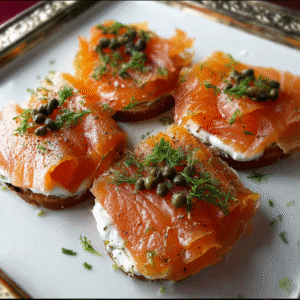
- Slice thinly across the grain and serve with your favorite accompaniments like bagels, cream cheese, or fresh herbs.
Notes
Nutrition
Essential Tools and Setup for Homemade Cold Smoked Salmon
Building the Right Cold Smoking Setup
A great cold smoked salmon recipe starts with proper equipment. Cold smoking requires cool, clean smoke that never cooks the fish. Your cold smoking salmon setup should maintain a temperature below 90°F (32°C) while keeping steady airflow.
A simple setup includes a smoke generator, a chamber, and a cooling tube. You can easily connect a small smoke generator to a grill or sealed box—this channels smoke away from the heat source so it cools before touching the fish.
Must-Have Tools
Here’s what you’ll need for homemade cold smoked salmon:
- Smoke generator – Produces cool, consistent smoke.
- Thermometer – Monitors temperature (stay under 90°F).
- Cooling pipe – Moves smoke away from heat.
- Wood chips – Use apple, alder, or maple for balanced flavor.
- Rack or tray – Keeps air circulating evenly around the salmon.
Choosing the Right Wood
Mild woods are best for any cold smoked salmon recipe. Alder gives balance, apple adds sweetness, and maple creates richness. Avoid strong woods like mesquite—they can overpower delicate salmon. Try blending alder and apple for a soft, layered smoke.
Safety Tips
Because cold smoked salmon isn’t cooked, freshness and temperature control matter most. Keep fish chilled before curing and make sure smoke stays below 90°F during the process. Add ice packs inside your smoker on warm days to help keep things cool.
With the right setup, you’ll create safe, silky, and flavorful homemade cold smoked salmon every time.
For detailed gear suggestions, learn more about tools for smoking salmon.
Preparing the Salmon for Smoking
Choosing the Right Salmon
Every great cold smoked salmon recipe begins with high-quality fish. The best choice is a fatty, fresh salmon like Atlantic or King—these hold moisture beautifully during the cold smoking process. Look for bright, firm flesh with no strong fishy smell. The richer the salmon, the silkier your final texture will be.
If you want the most flavorful homemade cold smoked salmon, opt for wild-caught salmon for a deeper, ocean-fresh taste. Farm-raised salmon offers a softer texture that works wonderfully for beginners learning how to cold smoke fish.
Trimming and Cleaning for Cold Smoking
Before curing, rinse your salmon with cold water and pat it dry. Trim off thin edges or uneven pieces so the cure penetrates evenly. Check for pin bones—run your fingers along the fillet and remove any you find. This not only improves presentation but ensures a smooth, professional finish for your cold smoked salmon recipe.
Portioning the Salmon
Uniform cuts are key in any cold smoking salmon setup. Divide your salmon into even pieces so the cure absorbs equally across each portion. Uneven cuts can lead to overcured or undercured sections, affecting texture and flavor balance.
Getting Ready to Cure
Lay your salmon skin-side down on a flat tray. The curing mix—usually salt, sugar, and optional herbs—draws moisture from the fish, concentrating its flavor. This step is what transforms raw salmon into safe, rich, homemade cold smoked salmon ready for smoke infusion. For extra depth, try adding a touch of brown sugar or pepper to the cure.
To elevate your next cold smoked salmon recipe, check out our flavorful brown sugar smoked salmon rub for a balanced, slightly sweet cure.
Brining and Curing — The Foundation of Flavor
Why Brining and Curing Matter
The real secret behind any great cold smoked salmon recipe lies in the curing stage. Curing prepares your salmon to absorb smoke evenly and develop that signature silky texture. Without it, your salmon could taste flat or spoil too quickly. The cure draws out excess moisture, firms the flesh, and naturally preserves the fish while infusing subtle flavor.
A well-cured salmon feels slightly firm but not dry. When you press gently on the flesh, it should spring back—this is the perfect sign it’s ready for cold smoking.
Dry Cure vs. Wet Brine
When making homemade cold smoked salmon, you can choose between two main curing styles:
- Dry Cure: A mix of salt, sugar, and optional herbs rubbed directly on the salmon. This traditional method gives a firm texture and concentrated flavor.
- Wet Brine: A saltwater solution that gently flavors and hydrates the fish. It’s easier for beginners but produces a slightly softer texture.
Most cold smoked salmon recipes favor dry curing because it gives better texture control. You can always adjust the salt-to-sugar ratio depending on whether you prefer a savory or lightly sweet finish.
How to Cure Salmon Step-by-Step
- Prepare the cure mix: Combine 3 parts kosher salt to 2 parts brown or white sugar. Add optional herbs like dill, peppercorn, or lemon zest.
- Apply the cure: Coat both sides of your salmon evenly, ensuring every surface is covered.
- Wrap and chill: Place the salmon in a shallow dish, cover it tightly with plastic wrap, and refrigerate for 12–24 hours. For thicker fillets, extend curing time to 36 hours.
- Rinse and dry: Once cured, rinse off the salt and pat the fish completely dry. Return it to the fridge uncovered for 2–4 hours to form a tacky surface called the pellicle. This helps smoke adhere beautifully.
Common Curing Mistakes to Avoid
Even a perfect cold smoked salmon recipe can go wrong if the cure is uneven or the timing is off. Avoid these common issues:
- Too much salt: Over-curing can make the fish overly firm or salty. Stick to recommended ratios.
- Skipping drying time: Without forming a pellicle, smoke won’t stick evenly.
- Inconsistent thickness: Always use evenly cut portions to prevent uneven curing.
By mastering this stage, your homemade cold smoked salmon will have the perfect texture before it ever touches smoke.

Want to perfect your timing? Discover the perfect cold smoked salmon time to fine-tune your curing and smoking process.
The Cold Smoking Process Step-by-Step
Setting the Stage for Smoking
Now that your salmon is cured and ready, it’s time to transform it into silky, flavorful perfection. The smoking stage is where your cold smoked salmon recipe truly comes to life. Cold smoking is not about heat—it’s about patience, control, and clean, cool smoke. The goal is to flavor the salmon without cooking it, maintaining that smooth, melt-in-your-mouth texture.
Before starting, make sure your cold smoking salmon setup is stable and your chamber temperature stays below 90°F (32°C). If your smoker runs warm, place ice trays or frozen water bottles inside the chamber to keep the environment cool.
Step 1: Preparing Your Smoker
Begin by adding your chosen wood chips—apple, alder, or maple work best. Avoid strong woods like mesquite or hickory, which can overpower the delicate salmon flavor. Start your smoke generator and let it burn for about 10–15 minutes until you see a steady flow of pale, clean smoke.
If you’re just learning how to cold smoke fish, focus on maintaining consistent airflow. This helps the smoke circulate evenly and prevents harsh buildup.
Step 2: Placing the Salmon
Lay your cured salmon pieces skin-side down on a wire rack inside the smoking chamber. Keep them spaced apart so air and smoke can move freely around each piece. Close the chamber and let the salmon rest in the cool smoke. The process usually lasts 6–12 hours, depending on your desired flavor intensity.
The longer the smoke exposure, the deeper and more complex the flavor becomes. For a balanced homemade cold smoked salmon, 8 hours is ideal for most palates.
Step 3: Monitoring Time and Temperature
Temperature control is critical in any cold smoked salmon recipe. Keep your thermometer in the smoker throughout the process. If temperatures rise too high, open vents or lift the lid briefly to release heat.
Check the salmon every couple of hours—look for a gentle, even color change and a slightly firmer feel. These are signs that the smoke is working its magic.
Step 4: Resting the Smoked Salmon
Once smoking is complete, remove your salmon and wrap it tightly in plastic wrap or parchment paper. Refrigerate it for 12–24 hours before slicing. This rest time allows the smoke flavor to mellow and the texture to settle into that perfect buttery consistency that defines excellent cold smoked salmon recipes.
For expert timing and flavor balance, discover the perfect cold smoked salmon time to guide your next batch.
Flavor Enhancements and Variations
Elevating Your Cold Smoked Salmon Recipe
The best part of any cold smoked salmon recipe is how easily you can personalize it. Once you’ve mastered the basics, play with herbs, spices, and wood types to create your own homemade cold smoked salmon flavor. A touch of sweetness, citrus, or spice can completely transform the final taste.
Choosing the Right Woods
The wood you use shapes your salmon’s aroma. For beginners, mild woods work best:
- Alder: clean, traditional smoke flavor.
- Apple: mild and fruity.
- Maple: rich and slightly sweet.
- Cherry: gentle with a rosy tint.
Try mixing alder and apple for balanced, restaurant-quality flavor.
Herbs and Flavor Blends
Before smoking, rub your salmon with a light seasoning mix. Classic options include:
- Dill and lemon zest for brightness.
- Brown sugar and pepper for warmth.
- Maple and coriander for a deeper profile.
Each small variation makes your cold smoked salmon recipe unique—proof that great flavor is all in the details.
Want to add a refreshing twist? Try our lemon herb smoked salmon rub for a light, aromatic finish.
Storing, Serving, and Pairing Cold Smoked Salmon
How to Store Cold Smoked Salmon Properly
Once you’ve completed your cold smoked salmon recipe, proper storage is essential to maintain its silky texture and clean flavor. After smoking, wrap the salmon tightly in plastic wrap or vacuum seal it to lock in freshness. Store it in the refrigerator for up to two weeks, or freeze it for up to three months without sacrificing quality.
Always label the date before freezing, and thaw slowly in the fridge to preserve texture. Avoid reheating—since homemade cold smoked salmon isn’t cooked, warming it can ruin that delicate consistency.
Serving Suggestions
The beauty of a cold smoked salmon recipe is its versatility. You can serve it in countless ways:
- Breakfast: Layer thin slices on bagels with cream cheese and capers.
- Brunch: Pair with scrambled eggs or avocado toast.
- Appetizers: Roll with cucumber ribbons or spread over crackers with dill.
- Salads: Add slices to leafy greens for an elegant, protein-rich touch.
Perfect Pairings
To complete your homemade cold smoked salmon, balance its savory richness with fresh or creamy accompaniments. Here are a few pairings that never fail:
| Type | Best Pairings |
|---|---|
| Bread & Crackers | Rye bread, sourdough, blinis |
| Spreads | Cream cheese, herb butter, crème fraîche |
| Toppings | Capers, red onion, lemon zest |
| Drinks | Sparkling wine, chilled vodka, or crisp white wine |
Each combination enhances the salmon’s flavor and texture, turning a simple slice into a memorable experience.
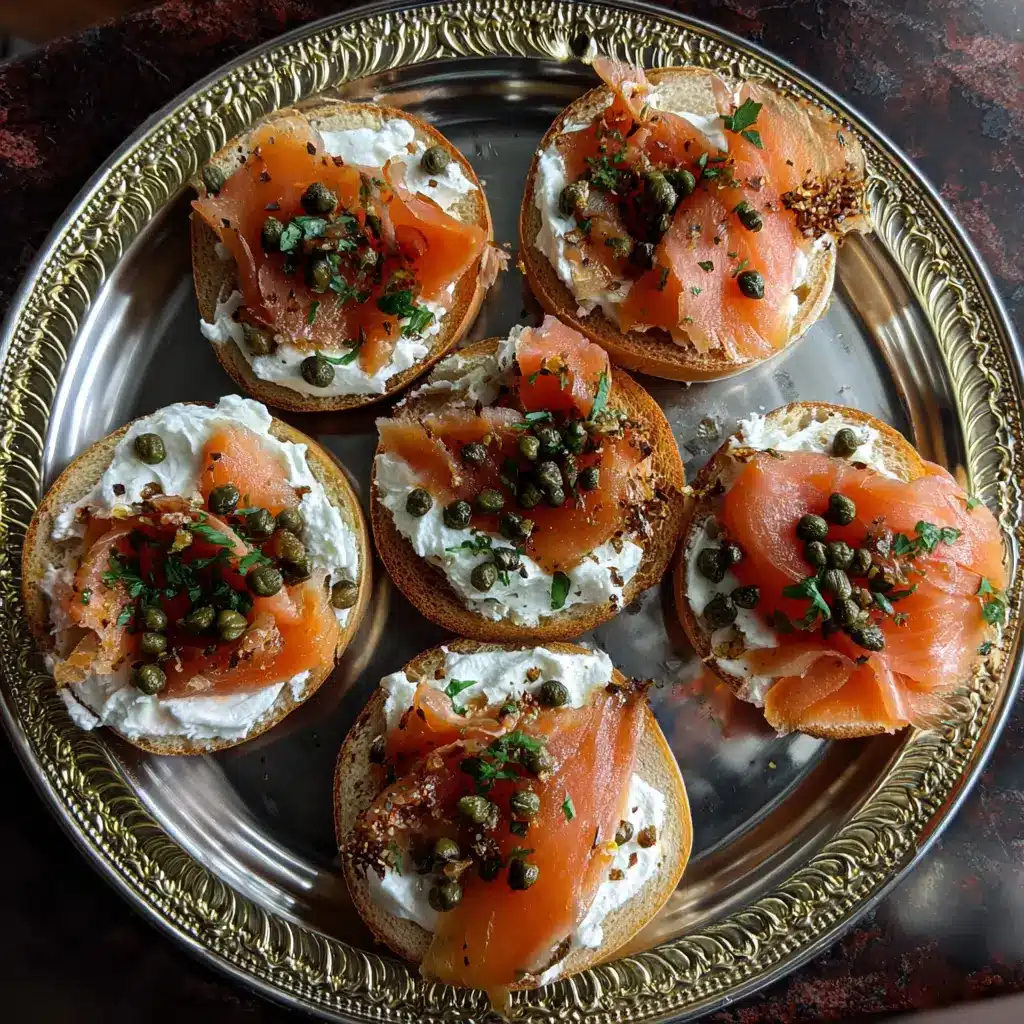
The mild smoke and salt make it ideal for both simple and sophisticated dishes. For more ideas, discover great ideas like smoked salmon and egg.
Troubleshooting and Common Mistakes
Avoiding Common Issues
Even a great cold smoked salmon recipe can go off track if you rush the process. Cold smoking is delicate—tiny mistakes in curing or temperature can change the texture or flavor. Here’s how to avoid the most common pitfalls.
1. Over-Curing or Under-Curing
If your homemade cold smoked salmon tastes too salty or feels rubbery, it’s over-cured. Too soft? It wasn’t cured long enough.
Fix: Cure for 12–24 hours, depending on thickness, and always rinse and dry well before smoking.
2. Temperature Too High
Heat is the biggest enemy of a cold smoked salmon recipe. Once the smoker passes 90°F (32°C), you’re cooking instead of curing.
Fix: Use a reliable thermometer and ice trays to keep the chamber cool.
3. Skipping the Drying Step
If smoke doesn’t cling evenly, you probably skipped forming the pellicle—the tacky layer that helps smoke bind.
Fix: Dry salmon uncovered in the fridge for at least two hours before smoking.
4. Using Strong Woods
Heavy woods like mesquite overwhelm salmon’s subtle flavor.
Fix: Stick with alder, apple, or maple for balanced smoke.
5. Rushing Resting Time
Even after smoking, salmon needs to rest.
Fix: Chill overnight so the flavor evens out and texture firms up.
For extra guidance on texture fixes, see our guide to overcooked smoked salmon fix.
FAQs About Cold Smoking Salmon
How to cold smoke fish without a smoker?
You can make a simple cold smoked salmon recipe even without a traditional smoker. All you need is a covered grill, a metal pan for wood chips, and a small vent for airflow. Use a flexible smoke generator or a tin can with smoldering wood chips to create cool smoke. Channel that smoke into your covered grill or box while keeping temperatures below 90°F (32°C). It’s an easy cold smoking salmon setup anyone can build at home.
How long can you cold smoke salmon?
Timing depends on how smoky you want your homemade cold smoked salmon to taste. Typically, the process takes 6 to 12 hours at a constant cool temperature. A shorter smoke gives a lighter flavor, while longer smoking deepens the richness. Once done, refrigerate for at least 12 hours before serving—this helps flavors balance and texture firm up.
Do you need to cure salmon before cold smoking?
Yes—curing is essential in every cold smoked salmon recipe. It removes moisture, adds flavor, and keeps the fish safe to eat. Skipping this step can lead to spoilage or uneven texture. A simple mix of salt, sugar, and herbs works beautifully. After curing, let the salmon dry before smoking so the smoke adheres evenly.
How long to cold smoke the side of salmon?
When preparing a full side for your cold smoked salmon recipe, plan for a longer smoke—usually 10 to 12 hours. The thicker the cut, the longer it needs for the smoke to penetrate fully. Keep airflow steady and temperature consistent for best results. If you’re unsure, it’s safer to smoke longer at low temps than to rush the process.
For time references, see cold smoked salmon time guide.
Conclusion: Mastering the Art of Cold Smoked Salmon at Home
Creating your own cold smoked salmon recipe isn’t just about technique—it’s about patience, precision, and pride. From selecting the freshest fish to controlling smoke and temperature, each step brings you closer to that smooth, velvety texture and delicate flavor that define true smoked salmon perfection.
Once you’ve tried making homemade cold smoked salmon, you’ll understand why it’s a favorite among home chefs and artisans alike. You’ll control every detail—wood type, seasoning, cure time—crafting a flavor that’s uniquely yours. With a bit of practice, your results will rival any store-bought version.
Don’t be afraid to experiment with flavors, woods, or cure blends as your confidence grows. The process is forgiving once you understand the balance between salt, smoke, and time. Remember: the best results come from consistency and care.
Looking for more guidance on salmon smoking styles? Learn more about hot vs cold smoked salmon. And if you’d like to share your creations or get inspired by others, join the Craftsman Recipes community on Facebook for tips, photos, and new recipes shared daily.
With this cold smoked salmon recipe, you now have everything you need to transform a simple salmon fillet into a gourmet masterpiece—right from home.