
Cold smoked vs hot smoked salmon — the classic debate among seafood lovers. Both styles of smoked salmon are delicious, but their differences go far beyond temperature. One delivers a silky, luxurious texture that almost melts on your tongue, while the other brings a hearty, flaky bite packed with smoky depth. Knowing which to choose can transform the way you enjoy this elegant fish.
Cold-smoked salmon is never actually “cooked.” Instead, it’s cured and smoked slowly at lower temperatures to preserve its delicate texture and gentle flavor. Hot-smoked salmon, however, is smoked at higher heat, which cooks the fish and intensifies its smokiness. The result? Two versions of the same fish that couldn’t feel more different on your plate.
In this complete guide, we’ll walk you through every detail of the smoked salmon comparison—from the methods behind cold vs hot smoking fish to the flavors, textures, and best serving ideas for each type. Whether you’re planning a weekend brunch or experimenting with your smoker at home, you’ll discover how to pick the perfect salmon for any occasion.
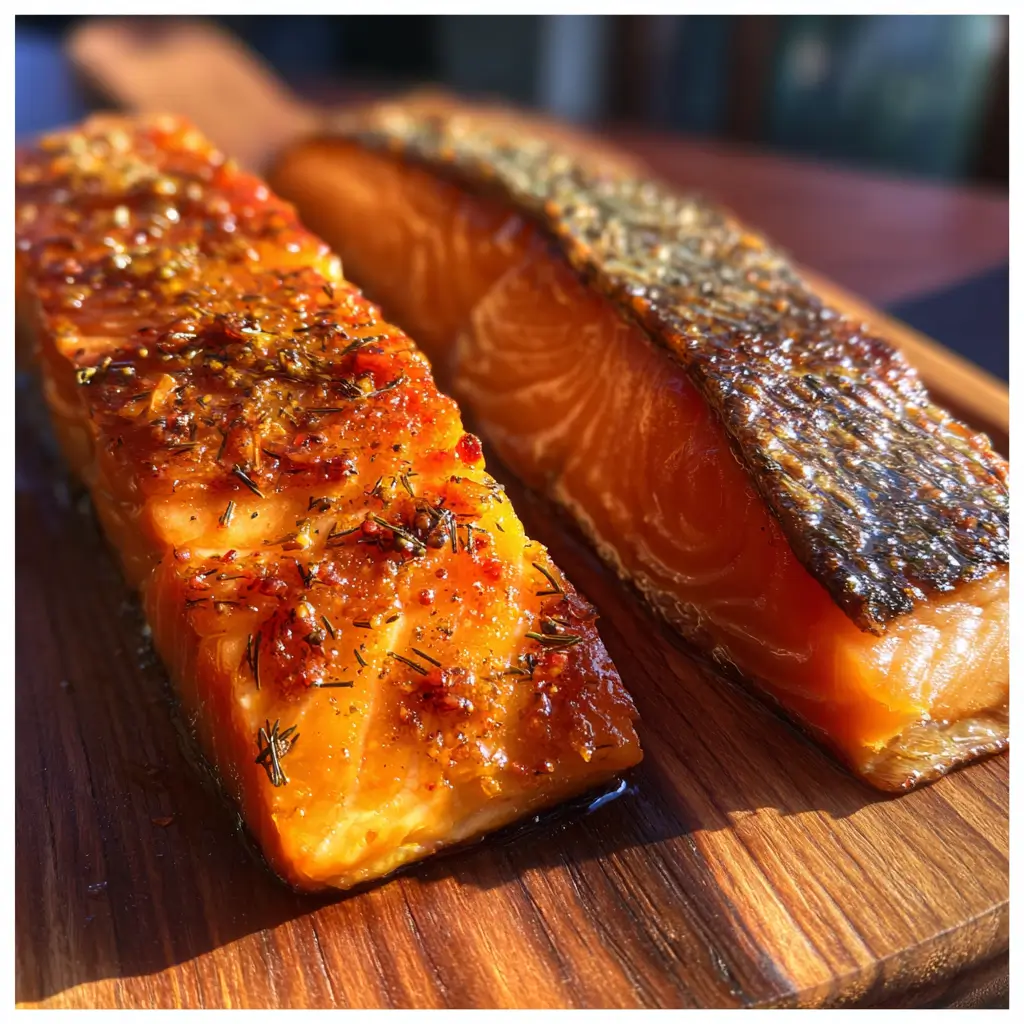
Learn more about the art of home smoking with our detailed DIY Smoked Salmon Guide.
For daily recipe ideas and seafood tips, follow us on Facebook.
Table of Contents
Understanding Smoked Salmon Basics
What Is Smoked Salmon?
When people talk about cold smoked vs hot smoked salmon, they’re describing two distinct ways to transform fresh salmon into a smoky delicacy. Both methods begin the same way—with curing the fish in salt and sugar to enhance flavor and preserve freshness. The difference comes in how the smoke interacts with the fish.
Cold-smoked salmon is never actually cooked. It’s slowly smoked at low temperatures, keeping the flesh silky, tender, and rich with a gentle smokiness. Hot-smoked salmon, however, is fully cooked during the process, creating a firm, flaky texture and a deeper, more intense flavor. Understanding this contrast is the first step in appreciating why cold smoked vs hot smoked salmon often taste like two entirely different foods.
The History and Origins of Smoking Fish
The story of cold smoked vs hot smoked salmon goes back centuries. Before refrigeration, coastal communities from Scandinavia to Alaska smoked fish to preserve it through long winters. Over time, these preservation techniques became culinary traditions. Cold smoking took root in Northern Europe, known for producing buttery, delicately flavored salmon. Hot smoking became popular in regions where people preferred a heartier, cooked texture.
Each style reflects generations of skill and regional taste—proof that smoked salmon isn’t just food, it’s a heritage.
Cold Smoked vs Hot Smoked Salmon: The Core Concept
At its core, the difference between cold smoked vs hot smoked salmon lies in temperature and texture. Cold smoking happens between 68°F and 86°F (20–30°C), giving the salmon a smooth, raw-like consistency. Hot smoking, at 120–180°F (49–82°C), cooks the fish fully, turning it flaky and robust.
| Feature | Cold-Smoked Salmon | Hot-Smoked Salmon |
|---|---|---|
| Temperature | 68–86°F (20–30°C) | 120–180°F (49–82°C) |
| Texture | Silky and raw-like | Cooked and flaky |
| Flavor | Mild, refined | Bold, smoky |
| Use | Bagels, salads, canapés | Pasta, sandwiches, entrées |
So when you’re choosing cold smoked vs hot smoked salmon, think about what you want on your plate: smooth and delicate or hearty and savory.
Want to try the process at home? Learn more from our complete DIY Smoked Salmon Guide.
The Smoking Process Explained
Cold Smoking Process: How It Works and Ideal Conditions
The heart of cold smoked vs hot smoked salmon lies in how temperature shapes flavor. For cold smoking, the salmon is first cured with salt and sugar to draw out moisture. After curing, it’s placed in a smoker where the temperature stays cool—between 68°F and 86°F (20–30°C)—for up to 24 hours.
Because the heat never cooks the fish, cold-smoked salmon stays silky, smooth, and delicately flavored. The smoke infuses aroma without firming the texture, giving you that signature buttery bite that defines the cold-smoked style. This method captures the essence of refined simplicity, perfect for bagels, brunch boards, or gourmet appetizers.
Hot Smoking Process: How It Differs and Why It’s Faster
In the debate of cold smoked vs hot smoked salmon, hot smoking brings a completely different personality. Here, the fish is cured and then smoked at higher temperatures—usually 120°F to 180°F (49–82°C). The heat cooks the salmon, turning it firm and flaky while intensifying its smoky flavor.
Hot smoking takes just 2 to 4 hours, producing salmon that’s ready to eat warm or chilled. Its bold, cooked taste makes it ideal for hearty dishes like pastas and grain bowls.
| Method | Temperature | Smoking Time | Texture | Flavor |
|---|---|---|---|---|
| Cold Smoked Salmon | 68–86°F | 12–24 hrs | Silky, tender | Mild, refined |
| Hot Smoked Salmon | 120–180°F | 2–4 hrs | Firm, flaky | Bold, smoky |
For more tips on perfect smoking temperatures, check out our Salmon Smoking Temperature Guide.
Flavor and Texture Differences
Cold Smoked Salmon: Silky, Delicate, and Luxurious
When you taste cold smoked vs hot smoked salmon, the first thing you’ll notice is how incredibly different they feel on the tongue. Cold-smoked salmon is smooth, almost buttery, with a gentle hint of smoke that enhances rather than overwhelms the fish. Because it’s never cooked, the salmon retains its natural oils, giving it a soft, silky texture and a clean, delicate flavor.
Each bite feels light yet rich, with a mild saltiness that pairs perfectly with bagels, cream cheese, or even eggs. In the world of cold smoked vs hot smoked salmon, cold-smoked salmon represents refinement—fresh, elegant, and subtly complex.
Hot Smoked Salmon: Flaky, Cooked, and Boldly Smoky
Hot-smoked salmon is where smoke meets substance. The higher smoking temperature fully cooks the fish, creating a firm, flaky texture and a much deeper smoky aroma. Unlike cold-smoked salmon, which melts in your mouth, hot-smoked salmon holds its shape, making it ideal for hearty recipes and warm dishes.
When comparing cold smoked vs hot smoked salmon, the difference is like night and day. Hot-smoked salmon delivers bold, earthy notes with a rich wood-fired finish. It’s perfect for grain bowls, pasta, or simply enjoyed on toast with a squeeze of lemon.
| Aspect | Cold-Smoked Salmon | Hot-Smoked Salmon |
|---|---|---|
| Texture | Silky, soft, and raw-like | Firm, flaky, and cooked |
| Flavor | Mild, smooth, lightly smoky | Deep, bold, and earthy |
| Ideal Uses | Bagels, salads, canapés | Pasta, sandwiches, entrées |
Both offer something special—cold smoked vs hot smoked salmon isn’t about better or worse, but about the kind of experience you want on your plate.
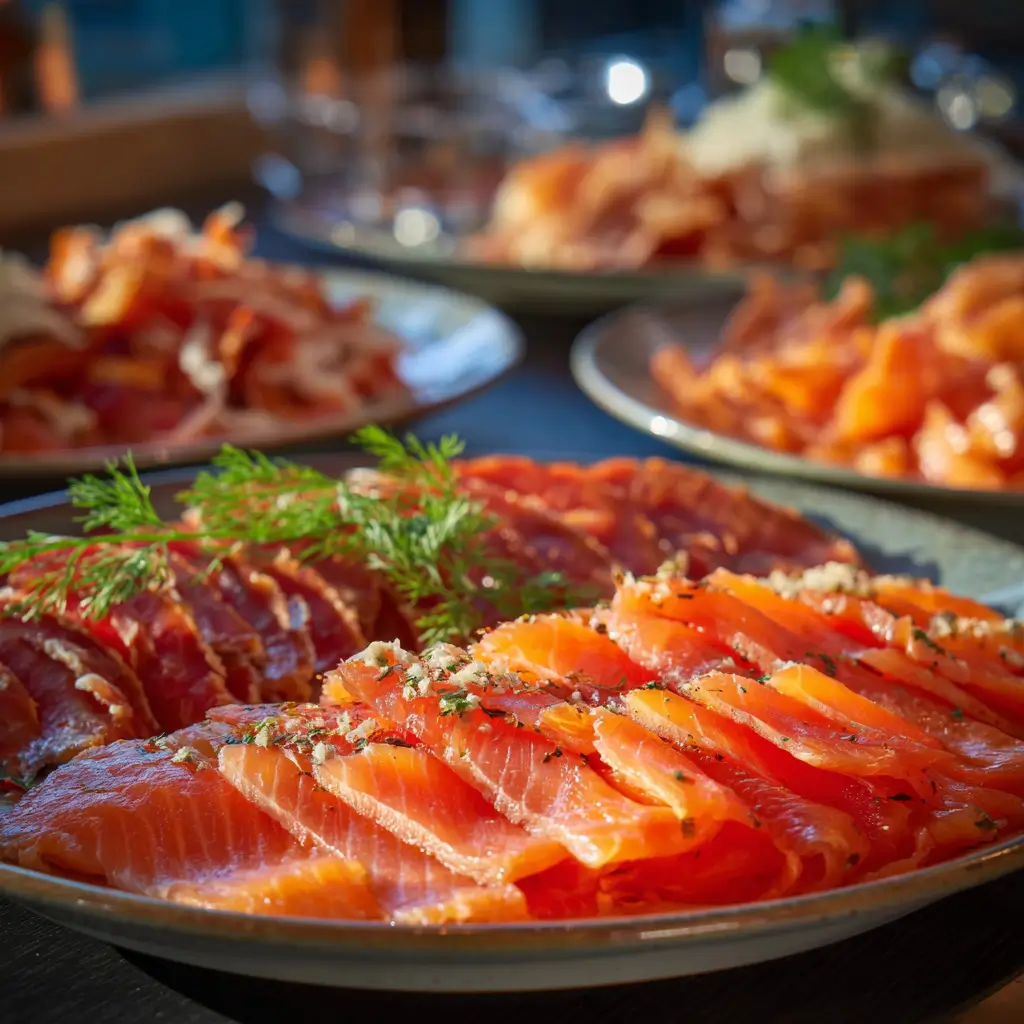
For a tasty, easy way to use either style, try our savory Easy Salmon Recipe Bites.
Nutritional Comparison and Health Aspects
Is Cold Smoked Salmon Healthier?
When comparing cold smoked vs hot smoked salmon, many people wonder which one is the healthier choice. Both are incredibly nutritious, offering lean protein, heart-healthy omega-3 fatty acids, and essential vitamins like B12 and D. The main difference comes down to salt content, texture, and how each method affects the fish’s natural nutrients.
Cold-smoked salmon often has a higher sodium level because of its longer curing time. That’s what gives it that distinct briny flavor and smooth texture, but it also means you should enjoy it in moderation. Hot-smoked salmon, on the other hand, is fully cooked and typically has slightly less salt while still delivering plenty of omega-3s and flavor.
So, in the cold smoked vs hot smoked salmon debate, hot-smoked is often considered the safer and slightly lower-sodium choice, while cold-smoked salmon wins for its luxurious taste and silky texture.
Protein, Omega-3, and Salt Differences
Both types of salmon are nutritional powerhouses. Whether you choose cold-smoked or hot-smoked, you’ll be getting excellent amounts of protein and beneficial fats.
| Nutrient | Cold-Smoked Salmon | Hot-Smoked Salmon |
|---|---|---|
| Calories (per 3 oz) | 110 | 120 |
| Protein | 17 g | 18 g |
| Omega-3 Fatty Acids | 1,200 mg | 1,100 mg |
| Sodium | 700–900 mg | 400–700 mg |
| Vitamin D | High | Moderate |
Because cold-smoked salmon isn’t cooked, it preserves more natural oils and delicate nutrients. Hot-smoked salmon, exposed to heat, loses a little moisture but gains that bold, smoky taste people love. Both remain rich in omega-3s, making cold smoked vs hot smoked salmon a win-win for your health either way.
How Smoking Affects Nutritional Value
Smoking transforms salmon in fascinating ways. Cold smoking infuses gentle smoky notes while keeping nutrients intact, perfect for those who love clean, fresh flavor. Hot smoking, by contrast, uses heat that slightly changes the fish’s composition but enhances digestibility and safety.
In short, the difference between cold smoked vs hot smoked salmon isn’t about which is “good” or “bad.” It’s about balance: cold-smoked salmon offers elegance and lightness; hot-smoked salmon delivers warmth, depth, and safety for all diets.
If you’d like to explore how smoking styles impact calories and nutrients in more detail, read our guide on Smoked Salmon Nutrition Comparison.
Cold Smoked vs Hot Smoked Salmon: Flavor, Texture & Technique Guide
Equipment
- smoker or smoke generator cold smoking requires under 86°F; hot smoking ranges 120–180°F
- digital thermometer for monitoring chamber and internal fish temps
- wire rack or tray used for airflow during smoking
- wood chips alder, apple for cold; hickory or maple for hot
Ingredients
- 1 lb cold smoked salmon, thinly sliced
- 1 lb hot smoked salmon, flaked or fillet
- to taste capers, cream cheese, red onion (for cold smoked)
- to taste pasta, grains, or salad base (for hot smoked)
- as needed bagels or toasted bread (optional)
Instructions
- Arrange cold smoked salmon on a serving platter with bagels, cream cheese, red onions, and capers for a light brunch spread.
- Flake hot smoked salmon into cooked pasta, grain bowls, or salads for a warm, hearty meal with bold smoke flavor.
- Compare texture and aroma: cold smoked is silky and raw-like; hot smoked is firm, flaky, and cooked.
Notes
Nutrition
Culinary Uses and Best Serving Ideas
When to Use Cold Smoked Salmon in Recipes
In the world of cold smoked vs hot smoked salmon, cold-smoked salmon is all about elegance. Its silky texture and mild flavor make it perfect for recipes that don’t need cooking. Think bagels with cream cheese, lemon, and dill—or simple canapés that let its smoothness shine. It also adds a touch of luxury to salads, wraps, and breakfast platters.
Because cold-smoked salmon is delicate, it works best in cool dishes where its subtle flavor won’t be lost among strong ingredients.
What Is Hot Smoked Salmon Good For?
Hot-smoked salmon, on the other hand, brings boldness to the cold smoked vs hot smoked salmon comparison. Since it’s fully cooked, it’s hearty and versatile—great for creamy pastas, smoked salmon dips, or flaked over salads. Its rich, smoky taste holds up beautifully in warm dishes and pairs well with bold sauces or roasted vegetables.
Hot-smoked salmon adds warmth, depth, and comfort, making it perfect for everyday meals.
| Type | Best For | Flavor |
|---|---|---|
| Cold-Smoked Salmon | Bagels, salads, canapés | Mild and silky |
| Hot-Smoked Salmon | Pasta, sandwiches, warm bowls | Bold and smoky |

Discover more serving inspiration with our Cheesecake Factory Miso Salmon—a perfect example of how smoky flavor elevates a dish.
Tools, Woods, and Smoking Equipment
Best Woods for Cold and Hot Smoking
Choosing the right wood is essential in defining the flavor of cold smoked vs hot smoked salmon. For cold smoking, lighter woods such as apple, cherry, or alder work best. They burn cooler and produce a mild, sweet smoke that enhances the salmon’s natural flavor without overpowering it. Alder wood, in particular, is traditional for cold smoking and adds a clean, balanced taste.
For hot smoking, you can experiment with stronger woods like hickory or maple, which add a deeper, bolder flavor. Because hot smoking cooks the salmon, these richer smoke notes complement the flaky, cooked texture perfectly.
The choice of wood can completely change the flavor profile—delicate for cold smoking, robust for hot smoking—which is why seasoned smokers often mix wood types for complexity.
Essential Tools for Home Smoking
To achieve perfect results with cold smoked vs hot smoked salmon, using the right tools matters. A smoker with precise temperature control is key. For cold smoking, a smoke generator or cold smoke adapter helps maintain low heat. For hot smoking, pellet smokers, electric smokers, or offset smokers give reliable, even heat.
You’ll also need:
- A digital thermometer to monitor internal and chamber temperatures
- A wire rack to allow airflow around the salmon
- Wood chips or pellets specific to your chosen flavor profile
Beginners can even use a simple covered grill setup for both methods, as long as they can regulate the temperature consistently.
DIY Smoking vs Store-Bought Salmon
Making your own smoked salmon allows you to control salt levels, smoke intensity, and flavor combinations. If you love experimenting with different types of wood or seasonings, home smoking gives unmatched flexibility. Store-bought versions, however, are convenient and consistent—great for quick meals or entertaining.
Whether you go homemade or store-bought, understanding how cold smoked vs hot smoked salmon is crafted helps you make smarter, tastier choices.
To explore wood pairing ideas, check out our guide on Best Wood for Smoking Salmon.
Cost, Storage, and Shelf Life
Why Cold Smoked Salmon Costs More
When comparing cold smoked vs hot smoked salmon, cost is one of the first differences you’ll notice. Cold-smoked salmon takes much longer to prepare—often 12 to 24 hours of slow, precise smoking at low temperatures. This process demands expert control and premium cuts of fish, which naturally raises the price.
Hot-smoked salmon, in contrast, is quicker to produce. It’s cooked at higher heat in just a few hours, allowing for larger batches and a more affordable price. The longer time and craftsmanship behind cold-smoked salmon make it the more luxurious option in the cold smoked vs hot smoked salmon comparison.
Storage Tips to Preserve Freshness
Cold-smoked salmon is delicate and should always be stored below 38°F (3°C). Once opened, it keeps best for 5–7 days, while unopened, vacuum-sealed packages last up to 3 weeks. Hot-smoked salmon, being cooked, stays fresh a little longer—7–10 days after opening or up to 2 months when frozen.
To protect flavor, always keep both types tightly sealed and cold. That’s the secret to preserving the quality of cold smoked vs hot smoked salmon.
Freezing and Thawing Smoked Salmon
Both kinds freeze well if wrapped properly. To thaw, move the salmon to the refrigerator overnight—never use a microwave, as it can ruin texture, especially for cold-smoked salmon. Proper freezing preserves that silky or flaky texture unique to each type.
For more on storing smoked salmon safely, read our Fully Smoked Salmon Explained.
Smoked Salmon Comparison Table
When you compare cold smoked vs hot smoked salmon, the differences go far beyond temperature. From taste and texture to shelf life and culinary use, each type offers its own experience. The chart below summarizes everything you need to know at a glance.
| Feature | Cold-Smoked Salmon | Hot-Smoked Salmon |
|---|---|---|
| Smoking Temperature | 68–86°F (20–30°C) | 120–180°F (49–82°C) |
| Cooking Method | Not cooked (cold-smoked) | Fully cooked (hot-smoked) |
| Texture | Silky, smooth, delicate | Firm, flaky, hearty |
| Flavor | Mild, refined, lightly smoky | Bold, rich, wood-smoked |
| Preparation Time | 12–24 hours | 2–4 hours |
| Salt Content | Slightly higher | Moderate |
| Shelf Life | 5–7 days after opening | 7–10 days after opening |
| Best Uses | Bagels, salads, canapés | Pasta, wraps, entrées |
| Cost | Higher (premium process) | Lower (faster to produce) |
| Ideal For | Light, elegant dishes | Warm, hearty meals |
In essence, cold smoked vs hot smoked salmon comes down to texture and preference. Cold-smoked salmon shines in chilled dishes where delicacy is key, while hot-smoked salmon is bold, cooked, and satisfying—perfect for comforting recipes.
When choosing between them, think about your meal: elegant and light, or warm and smoky? Either way, you’re getting an omega-rich, flavor-packed ingredient that elevates any dish.
For more insights into how different smoking methods affect flavor, explore our Smoked Salmon Texture Difference.
FAQs — Cold Smoked vs Hot Smoked Salmon
Which is better, hot or cold smoked salmon?
It depends on your taste. Cold smoked vs hot smoked salmon differ in texture and flavor. Cold-smoked is silky and mild—great for bagels and salads. Hot-smoked is firm, flaky, and bold—ideal for hearty meals. Neither is better; it’s about the style you prefer.
Which is better, cold smoking or hot smoking?
Cold smoking keeps salmon raw in texture, perfect for smooth, delicate dishes. Hot smoking cooks the fish, giving it rich flavor and warmth. In the cold smoked vs hot smoked salmon debate, choose cold for elegance and hot for comfort.
Is cold smoked salmon healthier?
Both types are nutritious and rich in protein and omega-3s. Cold-smoked salmon often contains more salt, while hot-smoked salmon is cooked and usually lower in sodium—making it the slightly healthier option in the cold smoked vs hot smoked salmon comparison.
What is hot-smoked salmon good for?
Hot-smoked salmon shines in warm dishes like pasta, dips, and rice bowls. Its smoky, cooked texture holds up beautifully in sauces and hearty recipes.
For a delicious example, try our Smoked Salmon and Egg Recipe.
Conclusion
In the end, the cold smoked vs hot smoked salmon debate isn’t about choosing a winner—it’s about appreciating two unique styles of craftsmanship. Cold-smoked salmon offers a silky, refined taste that elevates light dishes, while hot-smoked salmon brings bold, comforting flavors perfect for cooked meals.
Both are rich in nutrients, versatile in recipes, and deeply rooted in tradition. Whether you prefer the smooth luxury of cold-smoked salmon or the hearty satisfaction of hot-smoked, you’re enjoying a timeless food that connects flavor, culture, and care.
For more creative salmon ideas, check out our guide on How to Smoke Salmon Without a Smoker, and don’t forget to explore our visual recipes on Pinterest.