
Smoked salmon holds a special place in kitchens around the world. Whether it’s spread over a bagel with cream cheese or flaked into a warm pasta, the smoky aroma and buttery flavor are irresistible. But here’s the thing — not all smoked salmon is the same. The two main methods, hot vs cold smoked salmon, produce remarkably different results. Understanding those differences can help you choose the best one for your recipes and your taste buds.
If you’ve ever wondered why one salmon feels silky and delicate while another breaks apart into smoky flakes, you’re in the right place. This article explores the difference between hot and cold smoked salmon, how each is made, and when to use them. By the end, you’ll know exactly how to achieve that perfect smoky taste at home.
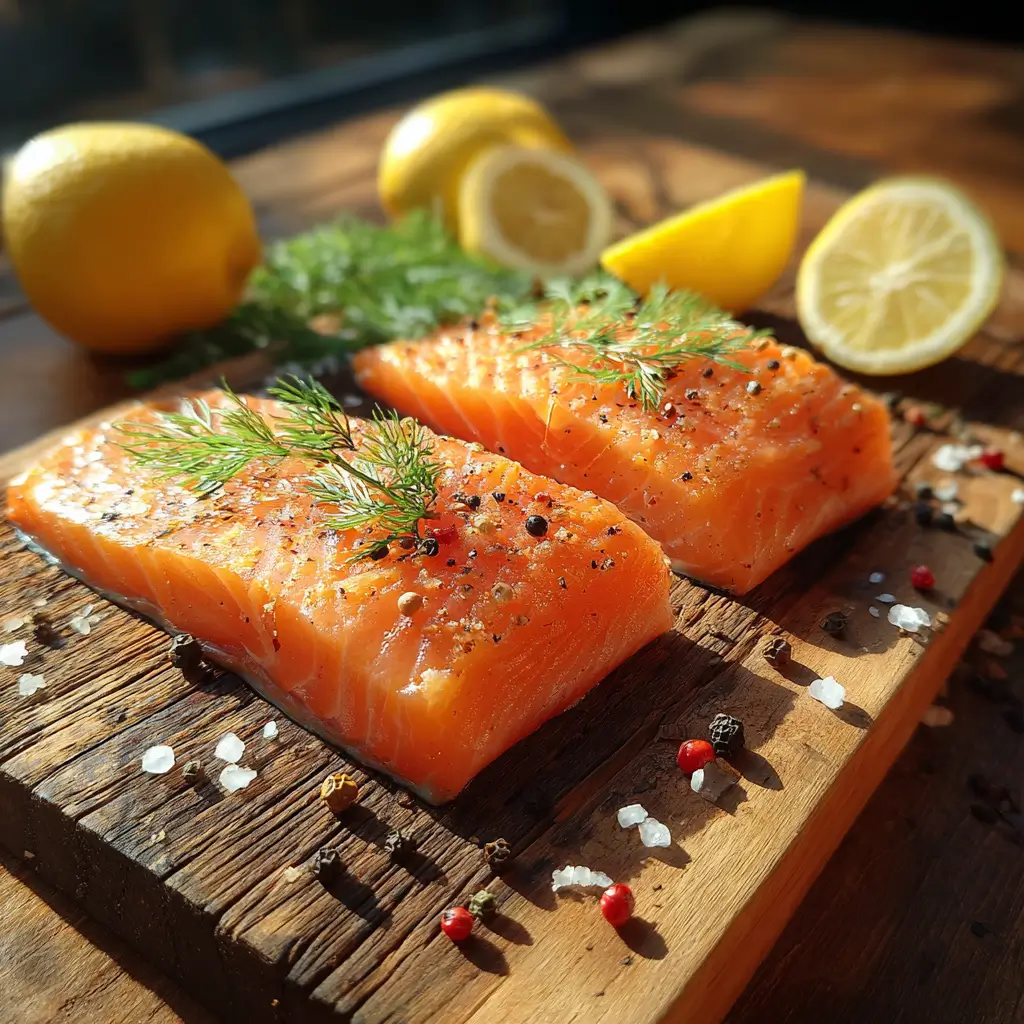
Want to see more smoked salmon dishes? Follow Craftsman Recipes on Facebook for inspiration and updates from real food lovers.
Table of Contents
Introduction to Hot vs Cold Smoked Salmon
What Is Smoked Salmon?
Smoked salmon is a centuries-old method of preserving fish that’s turned into a gourmet delicacy. The process involves curing salmon with salt and then exposing it to wood smoke — which not only dries the fish but infuses it with deep, savory flavor. While the general idea sounds simple, the way the fish is smoked makes all the difference in its texture and taste.
Both hot and cold smoking rely on curing, but from there, the methods diverge. Cold smoking keeps the fish raw yet cured, while hot smoking cooks it completely. That’s why cold-smoked salmon feels soft and luxurious, and hot-smoked salmon is flaky, firm, and meaty.
Why Compare Hot vs Cold Smoked Salmon?
So why does the hot vs cold smoked salmon debate matter? Well, each type suits different recipes, storage needs, and flavor preferences. For instance, cold-smoked salmon shines on bagels, canapés, or sushi — dishes where you want that melt-in-your-mouth texture. Hot-smoked salmon, on the other hand, works beautifully in cooked dishes like pasta, salads, and chowders.
Comparing them helps you decide which to use — and maybe even try both for your next recipe. If you’d like to see how smoked salmon pairs with other breakfast ideas, learn more about flavor contrasts in Smoked Salmon and Egg.
When it comes to preparation, understanding the science behind the smoke changes everything. The smoking temperature, wood type, and brining time directly affect taste and safety. A cold-smoked fillet must stay below 90°F, while a hot-smoked one can reach up to 180°F or more. Those numbers might not sound big, but they define whether your salmon is silky or flaky — and whether it’s technically cooked.
That’s also why choosing between them is more than just taste — it’s about food safety, shelf life, and even cost. You’ll soon learn that cold-smoked salmon demands more patience and precision, explaining why it’s often pricier than its hot-smoked cousin.
In the following sections, we’ll explore not just how they’re made, but also the difference between hot and cold smoked salmon in flavor, nutrition, and storage. We’ll even include tips for making each at home, along with the best woods and marinades to enhance your results.
Before diving into techniques, remember that great smoked salmon is about balance — the harmony between salt, smoke, and salmon’s natural richness. Get that balance right, and your next smoked salmon platter might just be your best yet.
Don’t miss our visual recipe boards and flavor pairings — check out more mouthwatering ideas on Pinterest at Craftsman Recipes.
The Key Difference Between Hot and Cold Smoked Salmon
Temperature and Technique Explained
The biggest difference between hot and cold smoked salmon comes down to temperature and technique. Cold-smoked salmon is cured and then smoked at below 90°F, allowing smoke to flavor the fish without cooking it. This process gives the salmon a silky, buttery texture with a subtle smoky taste.
Hot-smoked salmon, however, is cooked while it smokes—typically between 120°F and 180°F. The heat transforms the fish into firm, flaky fillets packed with bold, savory flavor.
| Feature | Cold-Smoked Salmon | Hot-Smoked Salmon |
|---|---|---|
| Temperature | Below 90°F | 120°F–180°F |
| Texture | Silky, smooth | Flaky, firm |
| Flavor | Mild, delicate | Deep, smoky |
| Cooking | Not cooked | Fully cooked |
| Best For | Bagels, sushi, canapés | Salads, pasta, chowders |
If you’re new to smoking salmon, check out this Beginner Smoked Salmon Recipe to understand the basics before trying either hot or cold smoked salmon at home.
How Smoking Affects Texture and Flavor
In the hot vs cold smoked salmon debate, flavor and texture are everything. Cold-smoked salmon feels smooth and tender, with a clean ocean flavor that melts in your mouth. It’s perfect for light dishes like bagels or brunch platters.
Hot-smoked salmon, in contrast, has a stronger, heartier flavor. Because it’s cooked through, it’s ideal for warm dishes—think creamy pastas, smoked salmon salads, or chowders.
The difference between hot and cold smoked salmon also affects safety and cost. Cold smoking takes longer and requires more control, which is why it’s often pricier. Hot smoking is faster, safer, and easier for beginners to master, making it a favorite among home cooks.
Whether you choose hot-smoked salmon for its depth or cold-smoked salmon for its elegance, both bring unique textures and tastes to the table.
Up next, we’ll show you how to make hot-smoked salmon at home, including brining, wood choices, and smoking times for that perfect golden flavor.
How to Make Hot-Smoked Salmon at Home
Hot-Smoked Salmon Recipe: Step-by-Step
Making hot-smoked salmon at home is simple, flavorful, and fast. Unlike cold-smoked salmon, which stays raw, hot-smoked salmon is fully cooked during smoking. This process gives the fish a firm, flaky texture and rich smoky flavor that sets it apart in the hot vs cold smoked salmon comparison.
Ingredients:
- 2 lbs salmon fillet
- ¼ cup kosher salt
- ¼ cup brown sugar
- Spices: black pepper, garlic powder, paprika
- Wood: alder, applewood, or hickory
Brine and Prep: Rub the salt and sugar mix over salmon. Chill for 6–8 hours to season and cure. Rinse, pat dry, and let air-dry to form a pellicle — key for deep smoke adhesion in hot-smoked salmon.
Smoke the Salmon: Heat smoker to 150°F–180°F. Add wood for smoke flavor. Place salmon skin-side down. Smoke 2–3 hours, until internal temp hits 140°F. The hot-smoked salmon will be golden, flaky, and full of savory depth.
Serve and Store: Cool the fish. Serve warm or cold in pasta, salads, or on toast. Refrigerate for 7 days or freeze for later use.
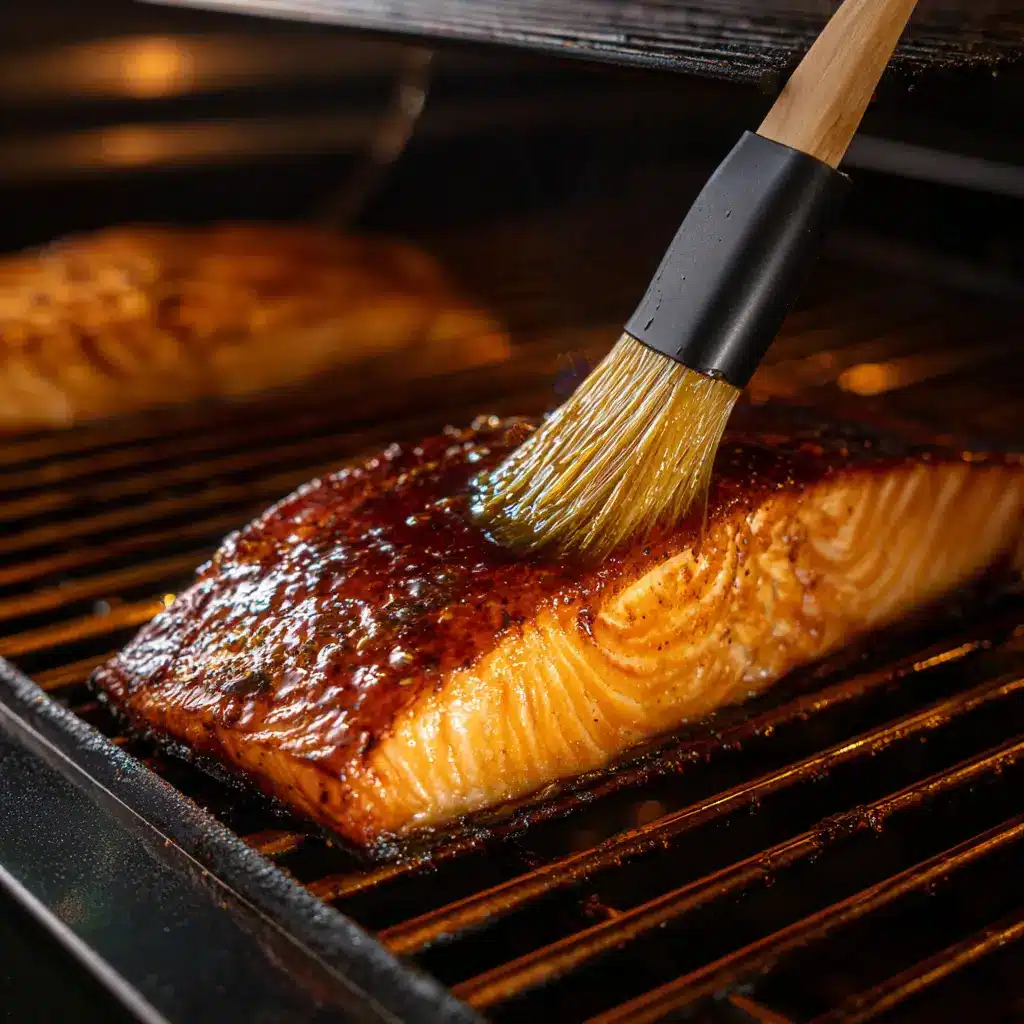
Want more ways to enjoy smoked fish? Try our Stewed Salmon Recipe.
How to Make Cold-Smoked Salmon at Home
Cold-Smoked Salmon Recipe: The Process
The cold-smoked salmon method is the refined side of the hot vs cold smoked salmon debate. While hot-smoked salmon is cooked through heat, cold-smoked salmon is slowly cured and smoked at low temperatures for a smooth, silky texture and delicate smoky taste.
Ingredients for Cold-Smoked Salmon:
- 2 lbs salmon fillet (skin on)
- ⅓ cup kosher salt
- ⅓ cup brown sugar
- 1 tsp white pepper
- Fresh dill (optional)
- Wood chips: alder or applewood
Step 1: Cure the Salmon
Mix salt, sugar, and spices, then rub evenly on the fish. Wrap tightly in plastic and refrigerate for 12–24 hours. This step is essential for real cold-smoked salmon, as curing removes moisture and protects the salmon during the long, low-temperature smoking process.
Step 2: Rinse and Dry
Rinse the salmon well, pat dry, and air-dry for an hour to form a pellicle. This tacky surface helps smoke cling evenly, giving cold-smoked salmon its glossy finish and distinctive smoky layer.
Step 3: Smoke the Salmon Cold
Keep your smoker below 90°F—this is what defines cold-smoked salmon. Use mild woods like alder or applewood for light, aromatic smoke. Smoke for 12–18 hours. The slow process develops a clean, buttery taste unlike the bolder flavor of hot-smoked salmon.
Step 4: Slice and Serve
After smoking, chill your cold-smoked salmon for a few hours before slicing. Cut thin, even slices across the grain. Serve on bagels, toast, or canapés to highlight its luxurious texture. The best cold-smoked salmon should be tender, translucent, and richly flavored without being salty.
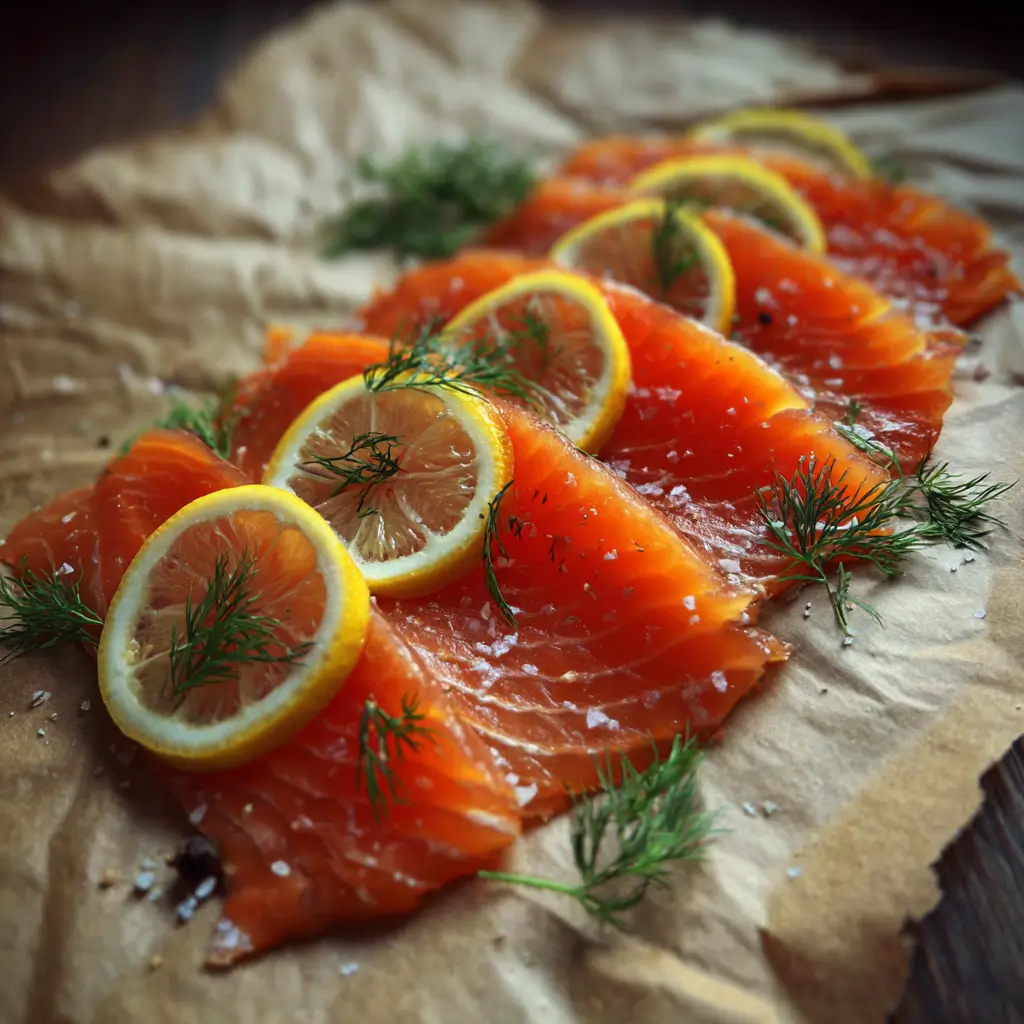
For setup and gear, learn more in our DIY Smoked Salmon Guide.
Cold-smoked salmon takes longer but rewards you with unmatched flavor and texture. It’s the elegant, gourmet side of the hot vs cold smoked salmon conversation—delicate, smooth, and deeply aromatic.
Flavor Profiles and Best Uses of Hot vs Cold Smoked Salmon
When to Use Hot-Smoked Salmon in Recipes
The flavor and texture of hot-smoked salmon make it perfect for hearty, cooked dishes. Because hot-smoked salmon is fully cooked during the smoking process, it’s firm, flaky, and rich—ideal for recipes that need bold flavor. The hot-smoked salmon process enhances natural oils, giving it a smoky depth that pairs beautifully with creamy or savory ingredients.
You can use hot-smoked salmon in:
- Pasta dishes: Toss chunks of hot-smoked salmon with lemon, cream, and herbs.
- Salads: Add flakes of hot-smoked salmon for protein and a deep smoky aroma.
- Egg dishes: Stir into scrambled eggs or omelets for a satisfying breakfast.
- Sandwiches or wraps: Layer slices of hot-smoked salmon with avocado or greens for a quick, flavorful meal.
Because hot-smoked salmon has a robust taste, it can handle strong seasonings and sauces. Try pairing it with citrus, mustard, or maple glazes. Want a restaurant-style combination? Discover how flavors come together in Cheesecake Factory Miso Salmon.
When Cold-Smoked Salmon Works Best
Cold-smoked salmon is the delicate, refined counterpart in the hot vs cold smoked salmon spectrum. Since cold-smoked salmon is not cooked but cured and smoked at low heat, it retains a silky, tender texture and subtle smoky taste. It’s best served cold or at room temperature, where its smooth texture truly shines.
You can use cold-smoked salmon in:
- Bagels and cream cheese: The classic breakfast pairing.
- Canapés and appetizers: Elegant bites topped with capers, dill, or lemon.
- Sushi and rolls: Thin slices of cold-smoked salmon bring mild smokiness without overpowering other ingredients.
- Charcuterie boards: A luxurious addition with cheeses and fresh herbs.
The mild flavor of cold-smoked salmon allows it to blend seamlessly with fresh, bright flavors—perfect for gourmet dishes or elegant brunch spreads.
Flavor Comparison: Hot vs Cold Smoked Salmon
| Feature | Hot-Smoked Salmon | Cold-Smoked Salmon |
|---|---|---|
| Texture | Flaky, firm | Silky, smooth |
| Flavor | Bold, savory, deep smoke | Delicate, mild, refined |
| Cooking | Fully cooked | Cured, not cooked |
| Best Use | Warm dishes, salads, pasta | Bagels, sushi, appetizers |
The difference between hot and cold smoked salmon is clear—each offers unique strengths. Hot-smoked salmon is bold, smoky, and comforting, while cold-smoked salmon is light, elegant, and refined. Knowing when to use each brings out the best in your dishes.
Nutrition and Health Comparison Between Hot and Cold Smoked Salmon
Caloric and Protein Differences in Hot vs Cold Smoked Salmon
Both hot-smoked salmon and cold-smoked salmon are packed with nutrients, but their smoking methods change their nutrition slightly. Hot-smoked salmon is cooked at higher temperatures, which concentrates fats and proteins, giving it about 190–210 calories per 100g and roughly 22g of protein.
Cold-smoked salmon, cured and smoked below 90°F, keeps more moisture and has slightly fewer calories—around 160–180 per 100g—with about 20g of protein. It’s also saltier due to the longer curing process.
| Nutrient | Hot-Smoked Salmon | Cold-Smoked Salmon |
|---|---|---|
| Calories (100g) | 190–210 | 160–180 |
| Protein | 22g | 20g |
| Fat | 10–12g | 8–10g |
| Sodium | Moderate | High |
Both versions are high in omega-3s, vitamin B12, and D—key nutrients for heart and brain health.
Discover how salmon fits into balanced meals with our Salmon Poke Recipe.
Is Hot Smoked Salmon Safer Than Cold Smoked Salmon?
When comparing hot vs cold smoked salmon, safety is a major difference. Hot-smoked salmon is fully cooked at 150°F–180°F, killing bacteria and making it safe for everyone to enjoy. Cold-smoked salmon, smoked below 90°F, remains uncooked and must be handled carefully and kept refrigerated.
| Factor | Hot-Smoked Salmon | Cold-Smoked Salmon |
|---|---|---|
| Cooked? | Yes | No |
| Temperature | 150°F–180°F | Below 90°F |
| Safety Level | High | Moderate |
| Shelf Life | 5–7 days | 2–3 days |
If safety is your concern, hot-smoked salmon is the better choice. Still, cold-smoked salmon offers a refined texture that’s perfect for special occasions.
Cost, Storage, and Shelf Life of Hot vs Cold Smoked Salmon
Why Cold-Smoked Salmon Costs More
In the hot vs cold smoked salmon debate, price is a key difference. Cold-smoked salmon costs more because it takes longer—often over 24 hours—to cure and smoke at low temperatures below 90°F. It demands precision, specialized tools, and expert handling.
Hot-smoked salmon, smoked at 150°F–180°F, cooks faster and is easier to produce, making it more affordable for home cooks.
| Feature | Hot-Smoked Salmon | Cold-Smoked Salmon |
|---|---|---|
| Smoking Time | 4–6 hrs | 12–24 hrs |
| Price per lb | $15–$25 | $25–$40 |
| Texture | Firm, flaky | Silky, smooth |
Looking for a simple, budget-friendly dish? Try our Easy Salmon Recipe Bites.
Storage and Shelf Life
Hot-smoked salmon lasts longer because it’s cooked—up to 7 days in the fridge or 2 months frozen. Cold-smoked salmon, being raw-cured, should be eaten within 2–3 days once opened.
| Type | Fridge | Freezer |
|---|---|---|
| Hot-Smoked | 5–7 days | 2 months |
| Cold-Smoked | 2–3 days | 1 month |
For best flavor, store smoked salmon airtight and cold (below 38°F). Proper storage preserves both hot-smoked salmon and cold-smoked salmon freshness.
Choosing the Right Wood and Smoke Flavor for Hot vs Cold Smoked Salmon
What Kind of Smoke Is Best for Salmon?
Choosing the right wood is crucial in the hot vs cold smoked salmon process. The smoke defines the aroma, color, and depth of flavor in both hot-smoked salmon and cold-smoked salmon. Different woods add unique notes that can completely change the final taste.
Here’s a quick guide to the best woods for smoked salmon:
| Wood Type | Flavor Profile | Best For |
|---|---|---|
| Alder | Mild, balanced | Hot & Cold Smoked Salmon |
| Applewood | Sweet, light | Cold-Smoked Salmon |
| Hickory | Bold, rich | Hot-Smoked Salmon |
| Maple | Subtle sweetness | Hot-Smoked Salmon |
| Cherry | Fruity, mild | Cold-Smoked Salmon |
Alder is the traditional choice for Northwest-style smoked salmon, offering a clean, slightly sweet flavor that complements both hot and cold smoking. Applewood and cherry bring softer, fruity undertones—perfect for cold-smoked salmon. Hickory and maple, meanwhile, deliver bolder, darker smoke ideal for hot-smoked salmon.
Hot vs Cold Smoked Salmon: Complete Guide

Equipment
- smoker (or stovetop setup)
- Plastic wrap for curing
- cooling rack or drying rack
- meat thermometer
- sharp slicing knife for serving thin slices
Ingredients
- 2 lbs salmon fillet (skin on, for both methods)
- 1/4 cup kosher salt (hot smoked)
- 1/4 cup brown sugar (hot smoked)
- 1/3 cup kosher salt (cold smoked)
- 1/3 cup brown sugar (cold smoked)
- 1 tsp white pepper (cold smoked)
- 1 tbsp spice blend (optional: garlic powder, paprika, dill)
- 1 cup applewood, alder, or hickory chips
Instructions
- Prepare hot-smoked brine: mix 1/4 cup kosher salt and 1/4 cup brown sugar. Rub on salmon, chill 6–8 hours. Rinse, pat dry, and air dry 1 hour.
- Smoke hot method: Preheat smoker to 150–180°F. Add wood chips. Smoke salmon 2–3 hours until internal temp reaches 140°F. Cool and store.
- Prepare cold-smoke cure: combine 1/3 cup salt, 1/3 cup sugar, and spices. Rub on salmon. Wrap in plastic and chill 12–24 hours. Rinse and pat dry.
- Cold smoke: Keep smoker below 90°F. Use alder or applewood. Smoke salmon 12–18 hours. Chill and slice thin before serving.
- Serve hot-smoked in pasta, salads, or on toast. Serve cold-smoked on bagels, sushi, or canapés. Store airtight in fridge or freeze.
Notes
Nutrition
Learn more about wood choice and technique in How to Smoke Salmon Without a Smoker.
FAQs About Hot vs Cold Smoked Salmon
Is hot or cold smoked salmon better?
It depends on what you’re looking for. Hot-smoked salmon is fully cooked, rich, and flaky—perfect for warm dishes or meal prep. Cold-smoked salmon is silky, smooth, and refined—ideal for bagels, sushi, and appetizers. In short, go hot-smoked for hearty flavor and cold-smoked for elegance.
What kind of smoke is best for salmon?
The best wood for smoked salmon depends on your method. Alder offers a clean, balanced smoke suitable for both hot-smoked salmon and cold-smoked salmon. Applewood gives a light sweetness for delicate cold smoking, while hickory creates a deep, classic flavor that complements hot-smoked salmon beautifully.
What’s the difference between smoked salmon and hot-smoked salmon?
“Smoked salmon” can refer to both types, but hot-smoked salmon is fully cooked at 150°F–180°F, making it firmer and more flavorful. Cold-smoked salmon stays raw-cured and is smoked below 90°F, giving it a smooth, buttery texture. The difference between hot and cold smoked salmon is all about heat, texture, and taste.
Is cold smoking better than hot smoking?
Not necessarily. Cold-smoked salmon offers a delicate, luxurious texture, while hot-smoked salmon provides a bold, smoky flavor and is safer to store. Both methods have unique advantages—cold for refinement, hot for versatility.
Is hot-smoked salmon safer?
Yes. Hot-smoked salmon is fully cooked, reducing bacteria risk and making it safe for anyone, including pregnant individuals. Cold-smoked salmon, since it’s not cooked, must be carefully cured and refrigerated.
Why is cold-smoked salmon so expensive?
The cold smoking process takes much longer and requires precision to maintain low temperatures safely. It’s more labor-intensive and delicate, which raises its cost. The result, however, is a premium product prized for its texture and subtle smoky flavor.
Before wrapping up, explore some creative ways to use smoked salmon in your kitchen—visit our community of home chefs on Craftsman Recipes Facebook for fresh ideas and recipe inspiration.
Conclusion: Choosing Between Hot and Cold Smoked Salmon
When it comes to hot vs cold smoked salmon, the best choice depends on your taste, texture preference, and how you plan to enjoy it.
If you love bold, smoky, and flaky fish, hot-smoked salmon is your best friend. It’s cooked, safe, and perfect for hearty recipes like salads, pastas, and sandwiches.
If you prefer smooth, buttery, and refined textures, cold-smoked salmon delivers unmatched delicacy. It’s the star of bagels, sushi, and canapés.
The difference between hot and cold smoked salmon comes down to temperature, flavor, and finish. Both offer rich nutrition and that irresistible smoky depth — one rustic and robust, the other elegant and silky.
Whether you’re smoking at home or buying from the store, knowing how each type is prepared helps you choose wisely and use them perfectly in your meals. For visual guides, smoky salmon techniques, and plating inspiration, follow our recipe boards on Pinterest at Craftsman Recipes for endless creative ideas.