How to smoke salmon at home might sound like something only chefs or food enthusiasts would attempt, but it’s actually a simple and deeply rewarding process anyone can master. Imagine the savory aroma of gently smoked salmon wafting through your kitchen — tender, flavorful, and infused with a subtle smokiness that rivals anything you’d buy at a gourmet market. This beginner-friendly guide walks you through every step — from choosing the right cut to brining, smoking, and serving — so you can confidently prepare your own batch of homemade smoked salmon.
Learning how to smoke salmon at home not only saves money but also gives you complete control over flavor, texture, and ingredients. You’ll discover the differences between hot and cold smoking, the importance of brining, and the tools you need to get started. Whether you’re using a professional smoker or setting up your backyard grill, you’ll find this guide packed with tips, timing tricks, and creative serving ideas.
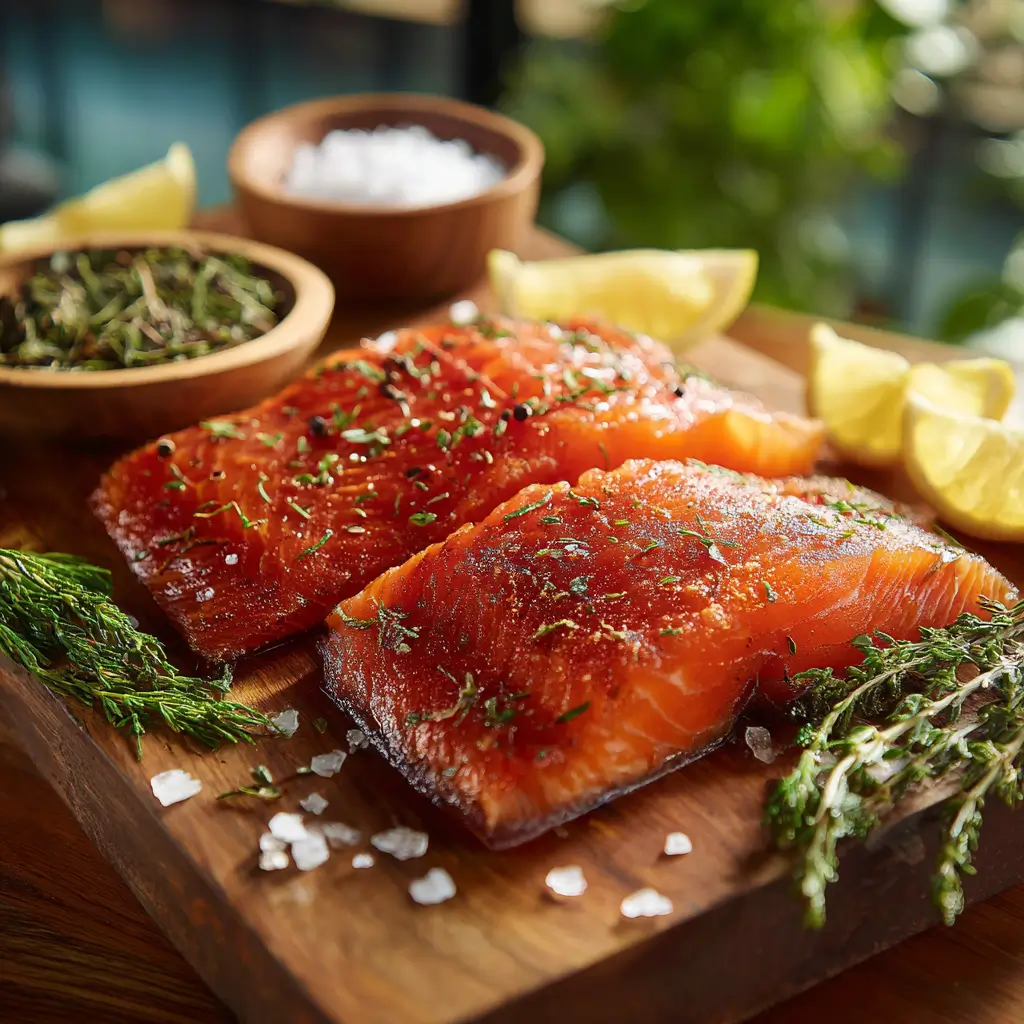
If you enjoy discovering new cooking inspirations, follow us on Facebook for fresh recipe ideas and visit our Pinterest page for delicious smoked salmon visuals that will inspire your next meal.
Table of Contents
Understanding the Basics of Smoking Salmon at Home
What Makes Home-Smoked Salmon Special
When you learn how to smoke salmon at home, you’re not just cooking — you’re crafting something unique. Store-bought smoked salmon is convenient, but it often lacks the freshness, purity, and personal touch that comes from home preparation. By making DIY smoked salmon, you control every element, from the type of salmon to the choice of wood chips that shape the aroma.
Home-smoked salmon has a beautifully balanced taste — savory, subtly sweet, and infused with natural smoke. The process is rewarding, too. The slow brining and smoking transform the fish into something both tender and deeply flavorful. Once you experience that first bite, you’ll understand why so many home cooks fall in love with the art of smoking salmon at home.
The best part? You can experiment endlessly. Try alder wood for a mild flavor, hickory for boldness, or maple for a sweet undertone. This flexibility makes how to smoke salmon at home one of the most enjoyable and customizable cooking techniques around.
Types of Smoking Methods (Hot vs. Cold Smoking)
When you’re learning how to smoke salmon at home, you’ll come across two main methods: hot smoking and cold smoking. Both deliver incredible results, but each offers a different texture and taste.
Hot smoking cooks the salmon while it smokes, typically between 120°F and 180°F. It produces tender, flaky fish with a strong smoky flavor — perfect for dinners or quick meals. Because it’s straightforward and forgiving, it’s the ideal technique for anyone following a beginner smoked salmon recipe.
Cold smoking, by contrast, doesn’t cook the fish. It slowly cures it below 90°F, creating a silky texture similar to lox. This method demands patience and precision but rewards you with restaurant-quality results. It’s the next step for those who’ve mastered how to smoke salmon at home and want to refine their craft.
Whichever method you choose, remember: the magic lies in balance — the right temperature, wood type, and curing time all come together to create perfectly smoked salmon.
For a deeper look at different smoking techniques and flavor styles, check out our detailed DIY Smoked Salmon Guide to expand your kitchen skills.
Choosing the Right Salmon for Smoking
Best Salmon Varieties for Smoking (Wild vs. Farmed)
When learning how to smoke salmon at home, your choice of fish sets the stage for flavor and texture. Wild-caught salmon like King (Chinook) or Sockeye delivers bold, rich taste and firm flesh, perfect for deep smoky flavor. These varieties absorb wood smoke beautifully and stay moist during the process — ideal for any beginner smoked salmon recipe.
Farmed salmon, especially Atlantic salmon, offers a softer texture and milder taste. It’s easier to find and great for beginners experimenting with DIY smoked salmon. Because it’s naturally fattier, it holds moisture well, even if you’re using a simple smoker or grill setup.
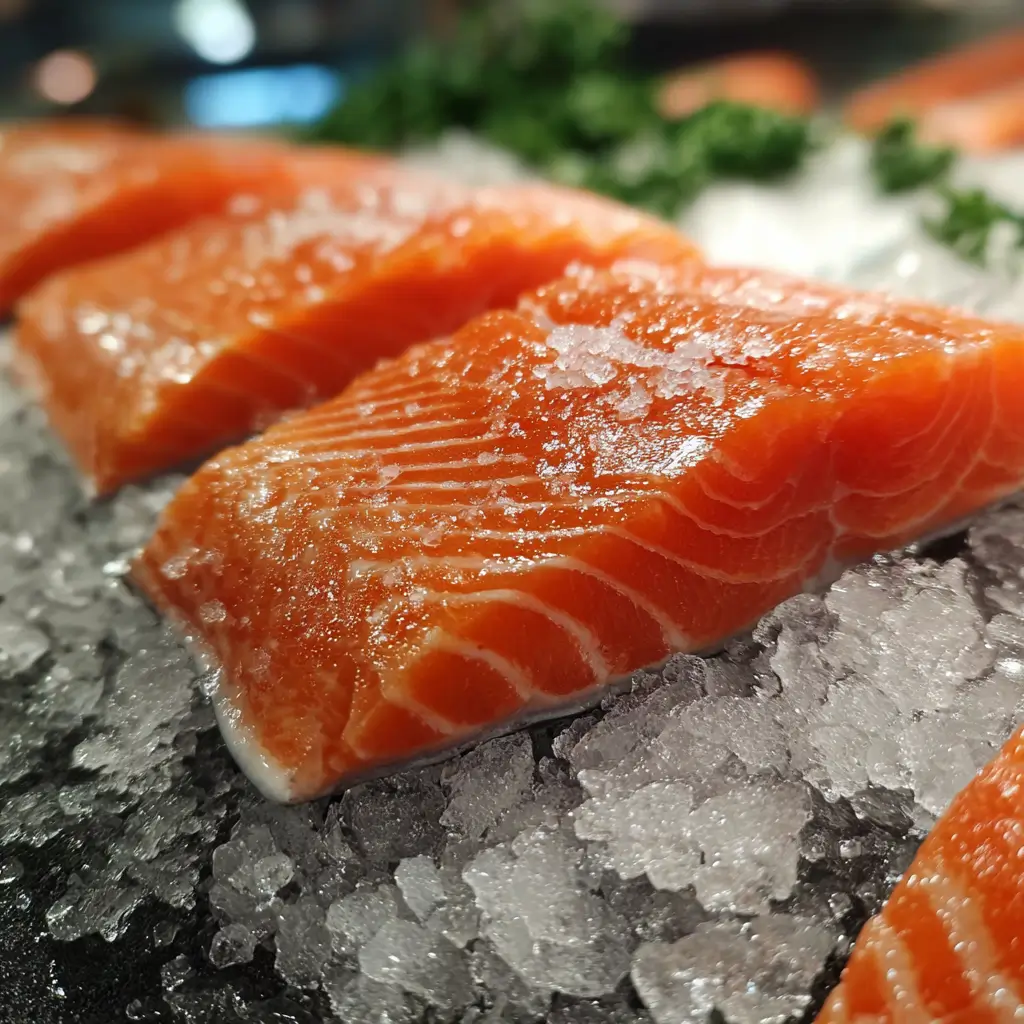
No matter which you pick, freshness is everything — look for bright color, clean smell, and firm flesh. For more details on which method suits your fish best, check out our guide on Hot vs. Cold Smoked Salmon.
How to Prepare and Portion Salmon Before Smoking
Preparation is key to mastering how to smoke salmon at home. Start by removing pin bones, then pat the fillet dry so brine and smoke can absorb evenly. Cut into even portions, about 1 to 1.5 inches thick, to ensure consistent cooking. Keeping the skin on helps retain moisture and adds a crisp edge of flavor.
Before brining, lightly score the surface of the fish — this small step helps seasonings soak in deeper, making your DIY smoked salmon rich and flavorful. With the right prep, you’re already halfway to perfectly smoked salmon.
Essential Tools and Equipment for Smoking Salmon at Home
Must-Have Tools: From Smokers to Thermometers
When learning how to smoke salmon at home, the right tools make all the difference. You don’t need anything fancy — just a few essentials to control heat and smoke.
Start with a smoker or grill that holds a steady temperature between 120°F and 180°F. A meat thermometer helps you monitor the fish’s internal temperature, while a drip or water pan keeps moisture balanced and prevents flare-ups.
Your wood choice shapes the final flavor. Apple and alder offer a gentle, sweet smoke, while hickory or oak bring deeper, classic notes — ideal for any DIY smoked salmon project. Some cooks even blend woods to create their own signature flavor.
For gear suggestions and setup tips, visit Tools for Smoking Salmon.
Alternative Setups: How to Smoke Salmon Without a Smoker
If you don’t own a smoker, you can still enjoy how to smoke salmon at home using a grill or stovetop pan. On a grill, place soaked wood chips in foil over low heat and smoke the salmon indirectly with the lid closed.
Apartment cooks can use a stovetop smoker or even an oven setup with a touch of liquid smoke. It’s not traditional, but it’s an easy way to start your beginner smoked salmon recipe journey.
No matter your setup, steady temperature and patience are key to perfectly smoked salmon.
Preparing the Brine and Seasoning
Why Brining Is Important Before Smoking Salmon
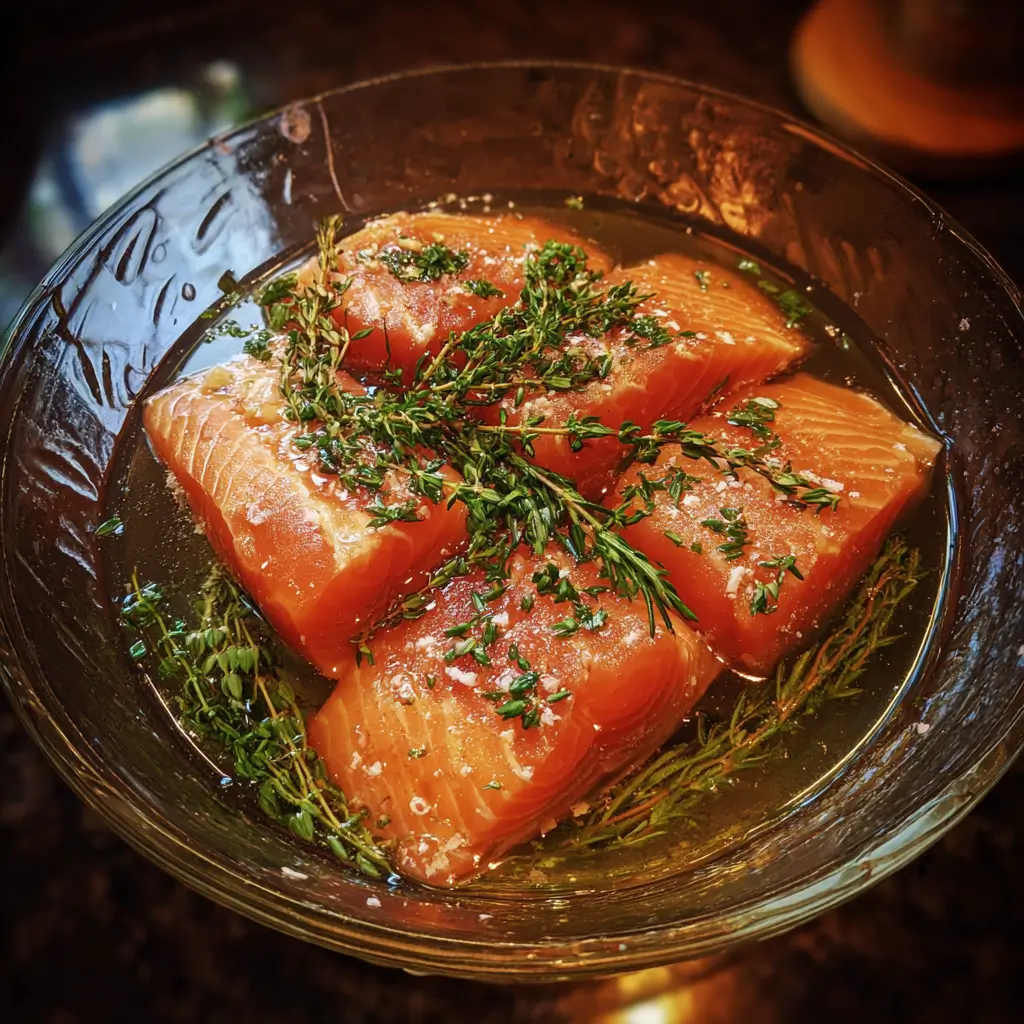
If there’s one step you shouldn’t skip when learning how to smoke salmon at home, it’s brining. Brining draws out moisture and seasons the fish from the inside out, giving you that tender, flavorful bite every time. It also helps the salmon stay juicy during smoking — especially if you’re still perfecting temperature control.
A good brine balances salt, sugar, and aromatics. The salt seasons and firms the flesh, the sugar adds a hint of sweetness and helps with browning, and the aromatics — like bay leaves, peppercorns, or citrus zest — add layers of flavor.
You can use either a wet brine (a salty-sweet water mixture) or a dry cure (a salt and sugar rub). Wet brines are great for beginners because they’re simple, while dry cures create a more intense flavor and slightly firmer texture.
To learn how temperature affects brining and smoking times, see our full guide on Salmon Smoking Temperature.
Simple Brine and Marinade Recipes for Beginners
A simple starter brine for your DIY smoked salmon can be made with:
- 4 cups of cold water
- ¼ cup kosher salt
- ¼ cup brown sugar
- Optional: 1 tablespoon black peppercorns, a few dill sprigs, or lemon slices
Soak the salmon for 6–8 hours in the refrigerator, then rinse lightly and pat dry. Let it air-dry for about an hour before smoking — this allows a tacky surface (called the pellicle) to form, helping the smoke cling evenly.
If you prefer a dry cure, mix equal parts salt and sugar, rub it generously over the fish, and refrigerate for 6 hours. Both methods deliver a balanced flavor and help you achieve that smooth, velvety texture when mastering how to smoke salmon at home.
Whichever method you use, remember: brining isn’t just a step — it’s what turns ordinary fish into smoky perfection.
The Smoking Process Step by Step
Step-by-Step Guide: How Is Smoked Salmon Made
Once your salmon is brined and ready, it’s time for the highlight — smoking. When mastering how to smoke salmon at home, steady temperature and patience are everything.
Preheat your smoker or grill to 120°F–150°F, and place the salmon skin-side down with space between each piece. Add your preferred wood chips — apple, alder, or cherry for a mellow taste, or hickory for a deeper flavor.
Keep the heat consistent and the lid closed as much as possible. Smoking takes about 1½ to 3 hours, depending on the fish’s thickness. The salmon is done when it flakes easily and reaches 140°F–145°F internally.
For more timing details, see How Long to Smoke Salmon — it covers both hot and cold smoking techniques.
How Long Does It Take to Smoke Salmon
Timing is one of the top questions about how to smoke salmon at home. Generally, hot smoking takes 90 minutes to 3 hours, while cold smoking can last from 6 hours to 2 days for that silky, cured texture.
If you’re following a beginner smoked salmon recipe, start with hot smoking — it’s simpler and forgiving, giving you moist, flaky fish with balanced smoky flavor.
Let the salmon rest for 30 minutes before serving to lock in flavor and texture. Once you master this step, DIY smoked salmon becomes one of the most rewarding dishes to make at home.
Cooling, Slicing, and Storing Smoked Salmon
Proper Cooling Techniques for Perfect Texture
After smoking, cooling your salmon correctly is key to great texture and taste. Many people skip this step when learning how to smoke salmon at home, but it’s what gives that beautiful, firm finish.
Let the salmon rest on a wire rack at room temperature for 30–45 minutes so the smoke flavor settles evenly. Avoid covering it right away — steam can soften the surface. Then, chill it uncovered in the fridge for about an hour to deepen the flavor and set the texture.
For fun ways to serve your cooled fish, try these Easy Salmon Recipe Bites — they’re perfect for appetizers or light snacks.
How to Slice and Store Smoked Salmon for Freshness
When slicing, use a sharp knife and cut thin, angled slices against the grain for that smooth, ribbon-like look. It’s a small detail that makes your DIY smoked salmon feel truly gourmet.
Wrap the salmon in parchment, seal it airtight, and refrigerate for up to 5–7 days. For longer storage, freeze it for up to two months and thaw slowly in the fridge.
Handled right, your homemade salmon will taste as fresh and flavorful as the day it left the smoker — the ultimate reward for learning how to smoke salmon at home.
Serving Ideas and Recipes with Smoked Salmon
How to Make a Smoked Salmon Starter or Appetizer
After mastering how to smoke salmon at home, it’s time to enjoy the results — and there’s no better way than with a simple, elegant starter. Smoked salmon appetizers are fresh, flavorful, and always a crowd-pleaser.
For a quick favorite, try smoked salmon crostini: layer thin slices of your DIY smoked salmon on toasted baguette rounds, add a dab of cream cheese, and top with fresh dill or capers. Another easy option is smoked salmon rolls — spread cream cheese on the fish, add a sliver of cucumber, and roll tightly for bite-sized delights.

How to Smoke Salmon at Home: Beginner’s Guide

Equipment
- smoker or grill Must maintain 120°F–180°F for hot smoking
- digital meat thermometer Tracks salmon internal temperature
- brining container Non-metallic, for wet or dry cure
- cooling rack or wire rack For air-drying salmon before smoking
- wood chips (apple, alder, hickory) Used to create smoke flavor
- sharp slicing knife For clean, thin salmon cuts
Instructions
- Choose fresh, high-quality salmon fillets. Wild varieties like King or Sockeye offer bold flavor, while Atlantic salmon is fattier and beginner-friendly. Keep skin on for moisture and flavor.
- Remove pin bones and pat salmon dry. Lightly score the surface. Cut into even 1–1.5 inch-thick portions to ensure even brining and smoking.
- Brine salmon using either a wet brine (salt, sugar, aromatics in water) or dry cure (equal parts salt and sugar rubbed in). Brine for 6–12 hours. Rinse and dry.
- Air-dry brined salmon for at least 1 hour until a tacky surface (pellicle) forms. This helps the smoke cling evenly during cooking.
- Preheat smoker or grill to 120°F–150°F. Add wood chips like apple, alder, or hickory. Place salmon skin-side down and smoke for 1.5 to 3 hours, depending on thickness.
- Monitor internal temperature with a meat thermometer. Remove when salmon reaches 140°F–145°F. Let rest 20–30 minutes uncovered before chilling.
- Slice thinly across the grain with a sharp knife. Store in fridge for 5–7 days, or freeze up to 2 months. Serve on toast, bagels, in salads, or pasta.
Notes
If you prefer a brunch-friendly dish, you’ll love this Smoked Salmon and Egg Recipe — a perfect balance of protein, richness, and that smoky flavor you created yourself.
Creative Dishes Using Home-Smoked Salmon
Once you’ve learned how to smoke salmon at home, you’ll find endless ways to use it. Toss it into salads for a smoky protein boost, layer it on bagels with cream cheese and red onion, or mix it into creamy pasta for a rich, comforting meal.
Smoked salmon also shines in wraps, sushi rolls, or breakfast bowls. For something lighter, try adding it to a grain bowl with quinoa, avocado, and lemon vinaigrette — simple, wholesome, and full of flavor.
No matter how you serve it, your DIY smoked salmon will elevate every dish. It’s versatile, satisfying, and a delicious reminder of how rewarding homemade cooking can be.
Common Mistakes and How to Avoid Them
Top Beginner Errors When Smoking Salmon
When learning how to smoke salmon at home, even small missteps can affect the result — but they’re easy to avoid with a little know-how.
One common mistake is too much heat. Salmon needs gentle cooking between 120°F and 150°F; anything higher can dry it out. Another is skipping the brine — brining keeps the fish moist and evenly seasoned.
Many beginners also use too much smoke or open the smoker too often. Over-smoking adds bitterness, and lifting the lid lets heat escape, slowing the process. Finally, always rest your salmon before slicing — it helps the flavor settle and keeps the texture tender.
Expert Tips for Perfectly Smoked Salmon Every Time
To perfect how to smoke salmon at home, focus on small details. Use clean-burning woods like apple or alder for smooth flavor, and keep the fish chilled until it hits the smoker so the smoke adheres evenly.
If adding a glaze or marinade, brush it on near the end to avoid burning. Take notes on time, temperature, and wood types — every batch teaches you something new about your DIY smoked salmon style.
For flavor inspiration, see Cheesecake Factory Miso Salmon — it’s a great example of balance and depth in salmon recipes.
FAQs – Smoking Salmon at Home
How long does it take to smoke salmon?
When learning how to smoke salmon at home, timing depends on the method and temperature. Hot smoking usually takes 1½ to 3 hours, while cold smoking can last from 6 hours to 2 days. The key is low, steady heat — your salmon should reach an internal temperature of 140°F–145°F for that perfect flaky texture.
How is smoked salmon made step by step?
The process of how to smoke salmon at home is simple once you get the rhythm. First, brine or dry-cure the salmon to lock in flavor. Then air-dry it until a tacky layer forms on the surface — this helps smoke stick evenly. Next, smoke it gently using your choice of wood chips and keep the temperature steady. Finally, cool and slice it thin for serving.
Do I need to brine salmon before smoking it?
Yes, brining is essential when learning how to smoke salmon at home. It prevents the fish from drying out and ensures balanced seasoning throughout. A simple brine of water, salt, and brown sugar works beautifully, or you can try a dry cure for a more intense flavor.
How to do a smoked salmon starter?
One of the best ways to show off your DIY smoked salmon is in a light starter or appetizer. Try layering it on crisp crackers with cream cheese and dill, or roll thin slices with a touch of lemon and capers.
For something unique, explore this Salmon Poke Recipe — it’s a fresh and flavorful twist that pairs perfectly with your home-smoked salmon.
Conclusion
Learning how to smoke salmon at home is more than just a cooking project — it’s a rewarding journey that combines patience, creativity, and flavor. From choosing the right salmon to mastering the brine, maintaining steady smoke, and serving it beautifully, every step builds confidence in your kitchen skills.
Once you’ve tried it, you’ll never want to go back to store-bought versions. Your DIY smoked salmon will carry your personal touch — fresh, flavorful, and made exactly the way you like it. Whether served on a bagel, added to salads, or featured in your favorite dishes, it’s proof that great cooking doesn’t have to be complicated.
For another comforting way to enjoy salmon, don’t miss our Stewed Salmon Recipe — a cozy, flavorful dish that’s perfect for any season.
If this guide inspired you, stay connected by following us on Facebook and exploring more recipes on Pinterest. Your next kitchen success might just be waiting there.
Mastering how to smoke salmon at home brings not just delicious meals, but a deep appreciation for the process — the kind that turns simple ingredients into something truly special.