
Internal temp for smoked salmon is the single most important detail that decides whether your fish turns out silky and juicy or dry and disappointing. Getting the right internal temp for smoked salmon ensures that every bite is perfectly cooked — safe to eat, flavorful, and full of that smoky, buttery texture we all love.
Many home cooks rely on looks or guesswork, but the truth is, the only way to guarantee perfect results is by monitoring the internal temp for smoked salmon with a reliable thermometer. When you hit the right temperature range, your smoked salmon will stay moist and flake beautifully, capturing that classic balance of smoky richness and tender texture.
Whether you’re using a pellet smoker, an electric smoker, or a traditional setup, understanding the internal temp for smoked salmon gives you total control. It’s not about fancy gear — it’s about mastering the balance of time, heat, and precision.
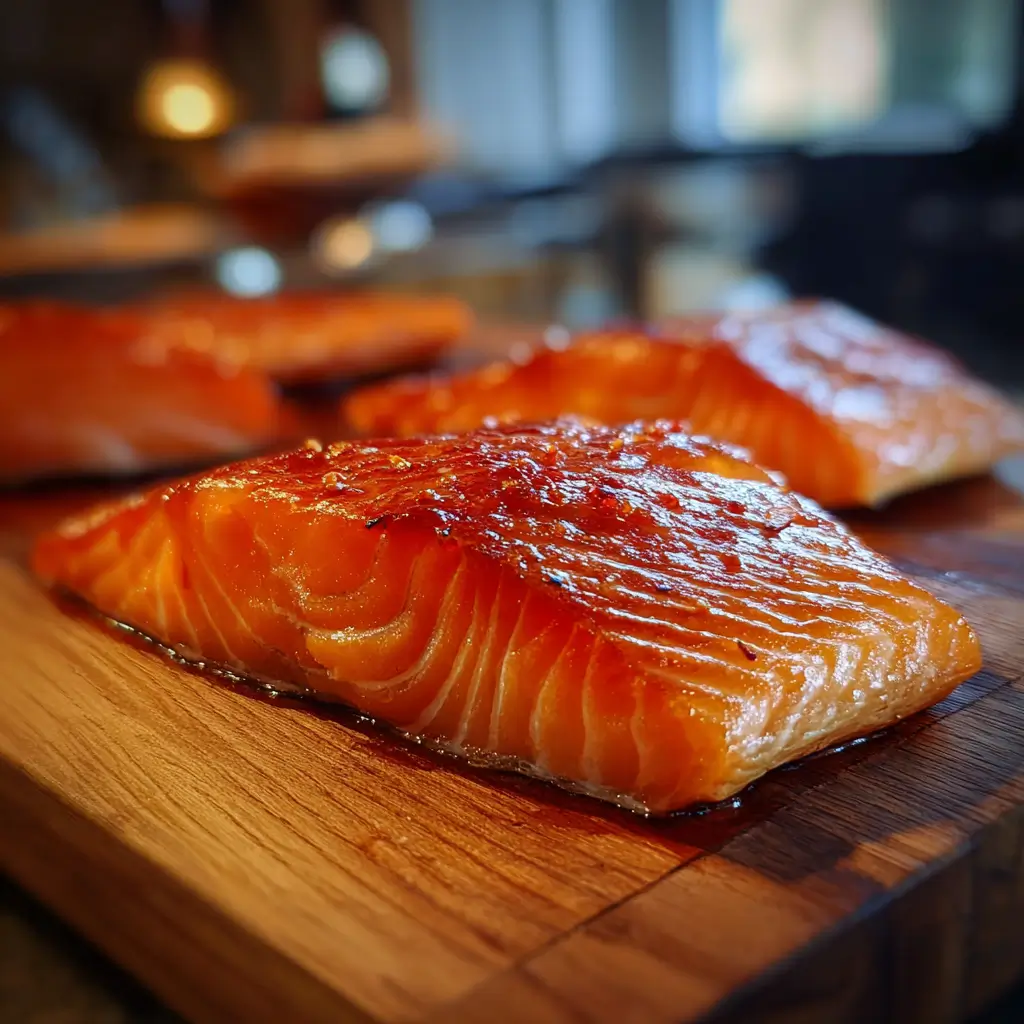
If you’re just starting your smoking journey, check out this beginner smoked salmon recipe to see how the right temperature transforms the fish from raw to remarkable.
And if you love food inspiration, follow us on Facebook and Pinterest — we share practical smoking guides, temperature charts, and tips to help you nail that perfect internal temp for smoked salmon every time.
Table of Contents
Understanding the Ideal Internal Temperature for Smoked Salmon
What Is the Correct Internal Temp for Smoked Salmon?
The internal temp for smoked salmon isn’t just a number — it’s what separates juicy, perfectly cooked fish from one that’s dry or unsafe to eat. The ideal internal temperature range for smoked salmon is 135°F to 140°F (57°C to 60°C). At this range, your salmon is fully cooked, tender, and retains that delicate, buttery texture.
Some smoking enthusiasts ask, Can you eat smoked salmon at 130°F? Technically yes, especially if the salmon has been cured and smoked slowly, but it may still be too soft or underdone for some palates. Hitting 135°F ensures safety and that melt-in-your-mouth consistency that defines great smoked salmon.
Why Temperature Matters for Flavor and Safety
Temperature control doesn’t just affect doneness — it’s the secret to salmon’s flavor and texture. When the fish reaches 135°F–140°F, its proteins set gently, keeping the moisture sealed inside. Too low, and bacteria like Listeria can linger; too high, and your fillet loses its juiciness.
Maintaining the right internal temp for smoked salmon also preserves its natural oils — the very essence of that luxurious, velvety bite. Those omega-rich oils contribute to the salmon’s flavor depth and mouthfeel, making temperature monitoring absolutely essential.
Always use a high-quality digital thermometer and insert it into the thickest part of the fillet to get the most accurate reading. Once you start checking the temperature consistently, you’ll notice your smoked salmon turns out flawlessly every single time.
For more insights, check out this helpful guide on how long to smoke salmon — it pairs perfectly with your newfound temperature knowledge.
The Science Behind Smoked Salmon Temperature
How Protein Changes at Different Temperatures
When smoking salmon, understanding how heat affects the fish’s proteins can help you master the internal temp for smoked salmon. At around 120°F (49°C), the muscle fibers just begin to firm up — the salmon still looks translucent and raw in the center. By 130°F (54°C), the proteins start to coagulate, turning the flesh opaque while keeping its natural oils intact.
The magic happens between 135°F and 140°F (57°C to 60°C). In this range, the salmon reaches that “smoked salmon done temperature” — firm yet juicy, flaking easily with a fork but still tender and rich. Go beyond 145°F, and you risk losing the luscious texture as the proteins tighten too much, squeezing out moisture.
Temperature isn’t just a number; it’s chemistry. The collagen in the salmon’s connective tissue melts into gelatin around 135°F, giving the fish its signature silky mouthfeel. That’s why the internal temp for smoked salmon is crucial — it’s the line between creamy and dry.
How Heat Affects Salmon’s Texture and Moisture
The texture of smoked salmon evolves with every rise in temperature. At 120°F, it’s buttery but slightly raw. Between 130°F and 140°F, it becomes flaky and rich — the sweet spot for most hot-smoked recipes. Beyond 145°F, it dries out quickly, losing that luxurious mouthfeel.
Maintaining stable smoker heat is just as important as reaching the final internal temp for smoked salmon. If your smoker fluctuates too often, the fish may cook unevenly — done on the edges and undercooked in the middle. Use a thermometer probe to monitor both the smoker and the fish simultaneously.
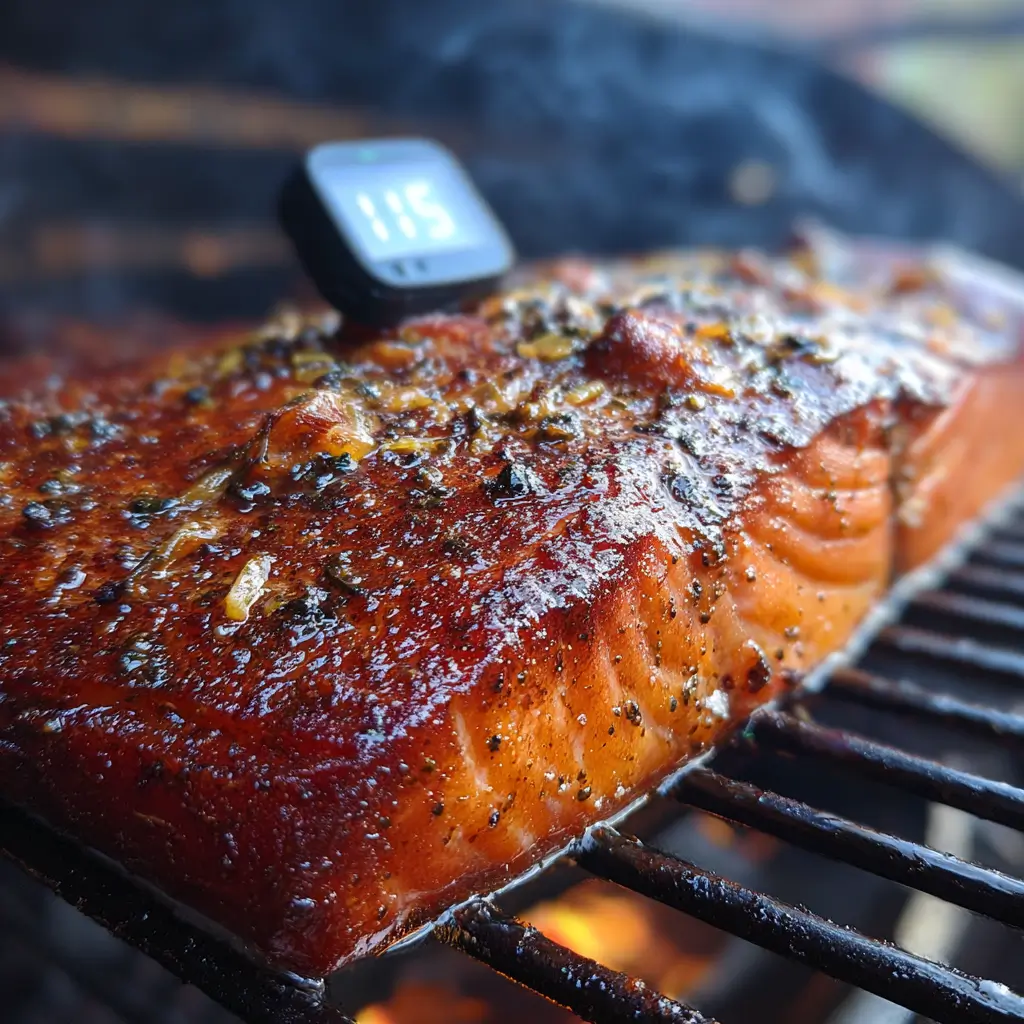
To master consistency, check out this complete guide on how long to smoke salmon — timing and temperature always go hand in hand.
Smoked Salmon Done Temperature — Finding the Sweet Spot
Recommended Internal Temp Ranges for Smoked Salmon
The smoked salmon done temperature depends on the type of smoking you’re doing. For hot-smoked salmon, aim for an internal temperature of 135°F to 140°F (57°C to 60°C). This is where the salmon is cooked enough to be safe but still moist and flavorful.
For cold-smoked salmon, which is typically cured before smoking, the fish never reaches high internal temps — usually staying below 90°F. However, the process takes longer and requires careful curing for safety.
If you prefer the texture of traditional hot-smoked salmon, stick to the internal temp for smoked salmon of around 137°F, right in the middle of the safe and tender zone. That’s the “golden number” many professional chefs swear by.
How to Avoid Overcooking or Undercooking
The best way to avoid overcooking is to start checking the internal temp for smoked salmon when it reaches about 125°F. Salmon continues to rise in temperature a few degrees after you remove it from the smoker due to residual heat — a phenomenon called “carryover cooking.”
If you pull your salmon off at 135°F and let it rest for 5 minutes, it will finish perfectly at about 138°F. That’s why patience matters more than power. Rushing the process can easily push your salmon into the dry zone.
On the other hand, if your salmon hasn’t reached at least 130°F internally, it might still be undercooked and unsafe to eat unless it’s cold-smoked and cured.
To explore more helpful methods for temperature control, learn how to smoke salmon without a smoker — a clever trick for beginners who want great results with minimal equipment.
How to Tell If Smoked Salmon Is Done Without Guessing
Using Sight, Touch, and Flake Tests
Even with the right tools, it helps to know how to tell if smoked salmon is done just by looking at it. When salmon reaches the correct internal temp for smoked salmon, its flesh turns from translucent to opaque and flakes easily with gentle pressure from a fork.
If your salmon still looks glossy and the flesh feels mushy, it’s not ready yet. When it’s cooked properly, the surface should feel firm but springy — not stiff or dry. The edges might develop a slightly darker crust, while the center stays juicy and tender.
Press lightly on the fillet with your finger or a fork. If it breaks apart into large, moist flakes, that’s a sure sign it’s done. But if it feels rubbery or resistant, it likely needs a few more minutes.
The Color and Texture Cues to Know Your Salmon Is Ready
Visual cues can be just as reliable as a thermometer once you know what to look for. Perfectly cooked smoked salmon will appear deep orange or pink, with a matte sheen on the surface. Undercooked fish remains bright and shiny, while overcooked salmon turns pale and starts to look chalky.
Texture is another clue. When your salmon hits that perfect smoked salmon done temperature, it should flake gently while staying slightly moist inside. If you see white albumin (the milky protein) pooling on top, it’s a sign your smoker was too hot or your fish cooked too long.
A consistent smoker temperature helps prevent these issues. For setup guidance, discover which tools for smoking salmon deliver the most stable results.
Salmon Thermometer Guide — How to Check Temperature Accurately
The Best Types of Thermometers for Smoking Salmon
To consistently hit the perfect internal temp for smoked salmon, a good thermometer is your best friend. Instant-read digital thermometers give quick readings, while probe thermometers allow you to monitor internal temperature throughout the smoke.
If you smoke fish often, consider a dual-probe model — one probe for your smoker’s chamber temperature and another for the salmon itself. This setup ensures that your smoker maintains steady heat while keeping an eye on the smoked salmon done temperature.
Wireless thermometers are also great for long, slow cooks since they alert you when your salmon hits the target temp. That way, you can relax without worrying about overcooking.
Step-by-Step Guide to Measuring the Internal Temp Correctly
- Insert the probe into the thickest part of the fillet, avoiding bones or the smoker surface.
- Close the smoker lid quickly to prevent heat loss.
- Monitor until it reaches 135°F to 140°F, depending on your preference.
- Remove the salmon and rest it for 5 minutes to allow carryover cooking to finish it perfectly.
Checking the internal temp for smoked salmon this way prevents overcooking and ensures your salmon stays juicy every single time.
For flavor pairing inspiration, discover the best wood for smoking salmon — because wood choice and temperature work hand in hand to shape your final flavor.
Common Mistakes When Smoking Salmon
Setting Smoker Temperature Too High or Too Low
Getting the internal temp for smoked salmon right starts with controlling your smoker’s heat. Many beginners crank the heat up too much, thinking it’ll speed up the process — but high heat can dry out the fish long before it reaches the perfect smoked salmon done temperature.
Ideally, your smoker should stay between 180°F and 225°F for hot smoking. Anything lower may not fully cook the fish, and anything higher can cause it to dry out or even burn. The goal is slow, steady heat that gently raises the salmon’s internal temperature to that 135°F–140°F sweet spot.
Forgetting to Rest the Salmon After Smoking
Once you’ve hit the target internal temp for smoked salmon, resist the urge to serve it immediately. Resting your salmon for 5 to 10 minutes is essential — it allows the juices to redistribute and the internal heat to even out.
During this time, the internal temperature may rise another 2–3 degrees, completing the cooking process gently. If you cut into the salmon too early, those flavorful juices escape, leaving the fish dry.
This small pause makes a big difference. Your salmon will taste richer, with a smoother texture and better balance of moisture and smoke.
Want to experiment with flavor variations while keeping temperature control in mind? Check out this Traeger smoked salmon temperature guide — it’s packed with temperature charts and wood pairing tips to refine your process.
Can You Eat Smoked Salmon at 130°F or 120°F?
Safe Temperature for Eating Smoked Salmon
A common question among home smokers is: Is salmon done at 120°F or 130°F? The short answer: 130°F can be safe for smoked salmon that’s been properly cured and smoked long enough to eliminate bacteria. However, if your salmon is uncured, it’s better to aim for 135°F–140°F to ensure it’s safe and fully cooked.
At 120°F, the salmon will still appear slightly raw and glossy inside. While that can be fine for cured or cold-smoked salmon, it’s not recommended for hot smoking, where food safety relies on fully heating the fish.
The internal temp for smoked salmon is your best guide — aim for at least 135°F to ensure your fish is safe while keeping that perfect silky texture.
Why 130°F Might Not Be Enough for Everyone
While many enthusiasts swear by 130°F for tender salmon, that number depends on personal preference and the type of smoker you’re using. Fish smoked below 130°F needs a longer cooking time to stay safe, especially if it hasn’t been brined or cured.
If you’re unsure, play it safe by taking your salmon to 137°F–138°F. That’s the “goldilocks zone” — perfectly cooked, moist, and flavorful.
To maintain that precision, invest in a digital thermometer and insert it into the thickest part of the fish. It’s a small step that guarantees big results.
For more inspiration on perfecting that balance of heat and taste, discover easy salmon recipe bites — a great follow-up for your next smoked dish.
Smoking Salmon at 165°F — Is It Too Hot?
What Happens to Salmon at 165°F
If you push your smoker temperature to 165°F, you might think it will help your salmon cook faster — but in reality, it can overcook your fish before it ever hits the target internal temp for smoked salmon.
At this point, the fish’s delicate proteins contract too tightly, forcing out natural oils and moisture. The result? Dry, flaky salmon that’s lost its signature silky texture.
The ideal approach is to smoke low and slow, keeping your smoker between 180°F and 225°F and letting the internal temperature of the salmon rise gradually to 135°F–140°F. That’s how you get that perfect balance of tenderness and smoky depth.
Balancing Heat and Flavor During Smoking
Smoking salmon isn’t just about temperature; it’s about flavor development. Higher smoker temps accelerate cooking but reduce smoke absorption time. Lower smoker temps allow smoke to penetrate deeper, infusing the salmon with that woodsy richness.
The sweet spot is maintaining a moderate chamber temperature so your salmon cooks evenly while developing that perfect smokiness. Experiment with different woods — like alder, cherry, or maple — to find the right flavor complement for your salmon’s fat content.
For wood selection ideas, discover great combinations for smoking salmon — you’ll find pairings that bring out subtle, natural sweetness without overpowering the fish.
FAQs About Internal Temp for Smoked Salmon
Can you eat smoked salmon at 130 degrees?
Yes, you can eat smoked salmon at 130°F if it’s been cured and smoked long enough for safety. However, the ideal internal temp for smoked salmon for the best flavor and texture is around 135°F–140°F.
Is salmon done at 120 degrees?
At 120°F, salmon is still slightly raw and not considered safely cooked unless cold-smoked and cured. For hot smoking, aim for at least 135°F to ensure tenderness and food safety.
How do I know if smoked salmon is done?
Smoked salmon is done when it reaches the correct internal temp for smoked salmon — between 135°F and 140°F. You’ll know it’s ready when the flesh turns opaque, flakes easily, and feels firm but juicy.
Can I smoke salmon at 165°F?
You can set your smoker to 165°F, but watch closely — the salmon may cook too quickly. The key is to monitor the internal temp for smoked salmon carefully to prevent dryness.
Conclusion — Achieving the Perfect Internal Temperature for Smoked Salmon Every Time
Mastering the internal temp for smoked salmon is more than a technical step — it’s the difference between ordinary and extraordinary results. Keep your smoker steady, use a reliable thermometer, and aim for that 135°F–140°F sweet spot. With practice, you’ll know exactly when your salmon is ready — tender, flavorful, and perfectly safe to enjoy.
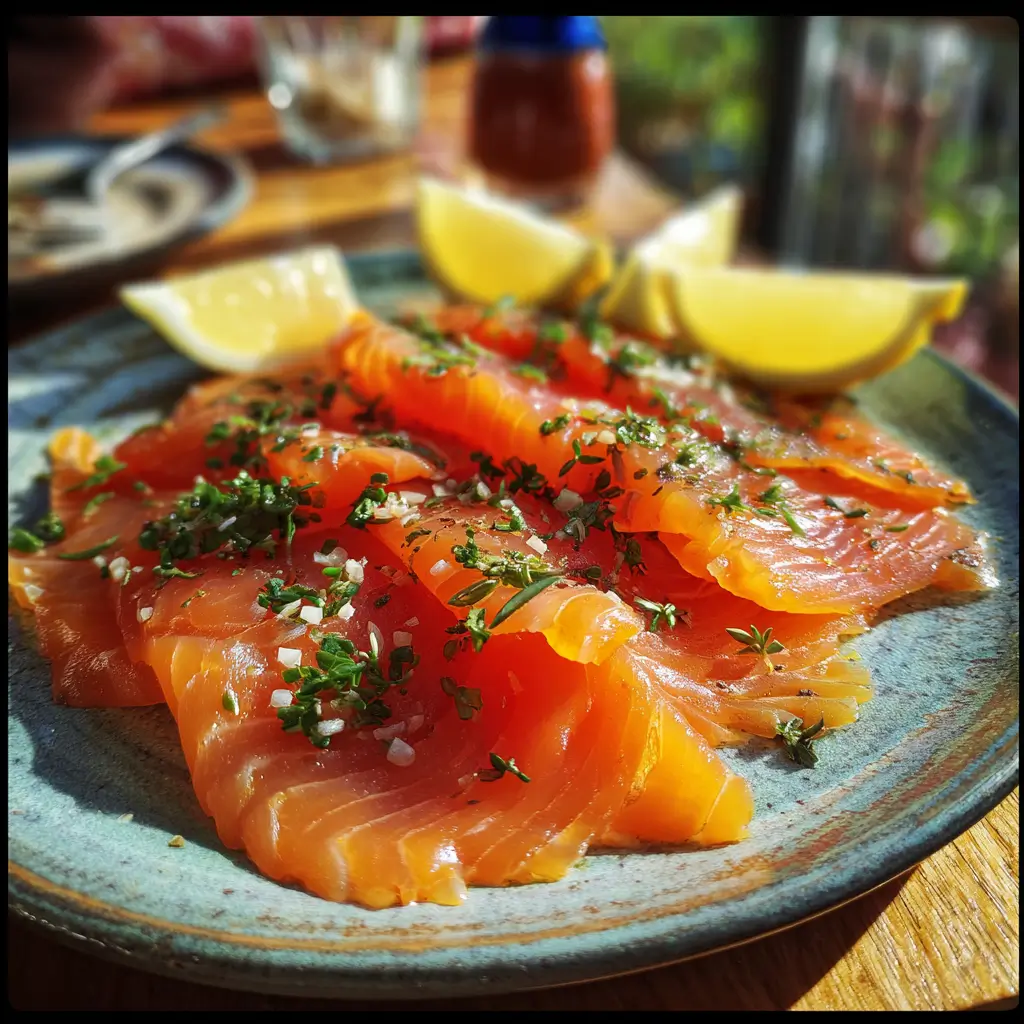
Looking for inspiration? Explore these easy salmon recipe bites for creative serving ideas after your next smoke. And don’t forget to follow us on Facebook and Pinterest for new salmon recipes and smoking techniques every week.