
A lightly smoked salmon recipe is all about balance — preserving the tender, buttery texture of fresh salmon while adding just enough smoke to create that irresistible, savory aroma. This gentle approach to smoking keeps the fish moist and delicate, making it perfect for breakfast spreads, elegant appetizers, or quick weekday dinners that taste restaurant-worthy.
Unlike a fully smoked version, a lightly smoked salmon recipe celebrates subtlety. The fish is only exposed to smoke for a shorter time, giving it a milder flavor that pairs beautifully with creamy sauces, citrus glazes, or a simple drizzle of olive oil. It’s an approachable way to enjoy the taste of smoked salmon without overpowering your dish.
Smoked salmon comes in many styles — lightly smoked, fully smoked, hot-smoked, or cold-smoked — and each has a unique texture, taste, and purpose. In this guide, we’ll explore the difference between lightly smoked and fully smoked salmon, how the smoking process changes the fish, and why some prefer one over the other. You’ll also learn how to make your own lightly smoked salmon recipe at home, even if you don’t have a smoker.
If you’re curious about the world of smoked salmon or simply looking to elevate your next brunch, this guide is for you. You’ll find practical cooking tips, flavor pairings, and ideas that will help you fall in love with salmon all over again.
Check out our beginner smoked salmon recipe to get started, and join our friendly community on Facebook for more smoked seafood inspiration and kitchen stories shared by home cooks like you.
Table of Contents
Understanding Lightly Smoked Salmon
What Is Lightly Smoked Salmon?
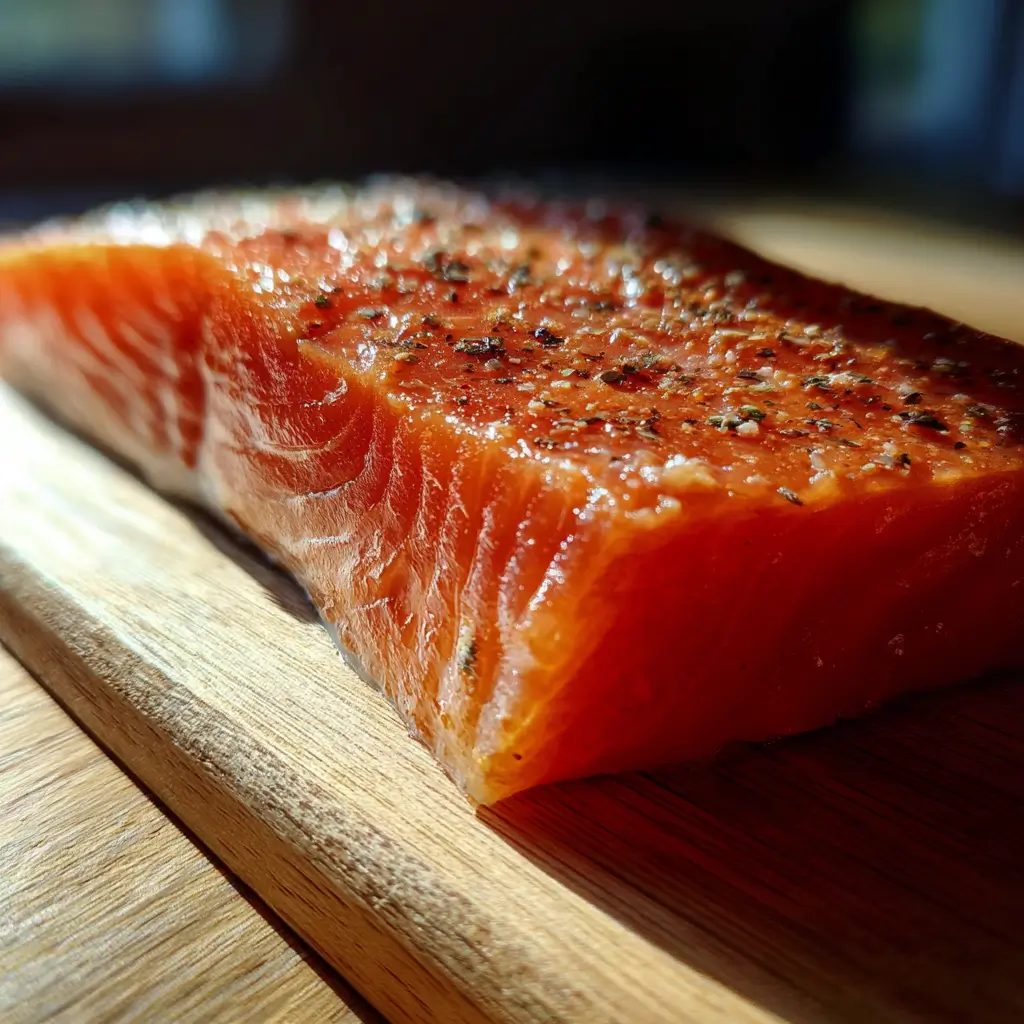
A lightly smoked salmon recipe is all about subtlety — it enhances the fish’s natural sweetness with just a touch of smoke. The salmon is cured and gently smoked for a shorter time, usually under two hours, creating a mild, clean flavor that’s never overpowering. Because the smoke is light and controlled, the fish keeps its moisture, rich color, and buttery texture.
This style of smoking is ideal for home cooks who want to explore the flavor of smoked salmon without going too bold. Applewood or maple wood are often used to give a soft, sweet aroma that complements the fish beautifully. The result is a fresh, smooth piece of salmon that works perfectly in salads, sandwiches, or any lightly smoked salmon recipe you want to create at home.
Flavor and Texture of Lightly Smoked Salmon
The first bite of lightly smoked salmon is silky, rich, and delicately smoky. It has a moist, almost melt-in-your-mouth texture that makes it easy to enjoy any time of day — from a morning bagel to a dinner pasta. Its lighter color and cleaner taste make it more versatile than fully smoked versions, allowing you to pair it with lemon, herbs, or creamy sauces without losing balance.
To add even more depth to your own lightly smoked salmon recipe, check out our smoked salmon rub recipe, a simple way to enhance flavor without heavy seasoning.
Fully Smoked Salmon Explained
How Fully Smoked Salmon Is Made
Compared to a lightly smoked salmon recipe, the fully smoked method takes things to a deeper, richer level. The salmon is cured, then smoked for hours at a higher temperature, allowing the wood’s aroma to fully penetrate the flesh. The result is a firm, savory, and beautifully dark piece of fish that carries an unmistakable smoky character.
While a lightly smoked salmon recipe focuses on gentle notes and a soft texture, fully smoked salmon leans bold. It’s drier, saltier, and offers a more pronounced taste that’s perfect for hearty recipes like pasta, casseroles, or sandwiches. Woods such as hickory, oak, or cherry are often used to create a strong, aromatic smoke that defines its flavor.
This longer smoking process also enhances preservation — a reason why fully smoked salmon can be stored for weeks without losing its appeal. It’s a great choice for those who enjoy the classic, deep smokiness that lingers with every bite.
Taste, Texture, and Culinary Uses
Fully smoked salmon has a dense, flaky texture and a rich, smoky flavor that pairs perfectly with cream cheese, eggs, or bold sauces. It’s the ideal option when you want that authentic smoked taste to shine. However, if you prefer a softer, more delicate experience, a lightly smoked salmon recipe will better suit your palate.
Both types have their place in the kitchen — the lightly smoked for freshness and nuance, the fully smoked for boldness and bite.
For more insight into the balance between smoke and heat, learn more in our hot vs cold smoked salmon guide, where we explain how temperature influences both flavor and texture.
Lightly Smoked vs. Fully Smoked Salmon – The Key Differences
Smoking Duration and Temperature Differences
The main difference between a lightly smoked salmon recipe and a fully smoked one comes down to time and temperature. Lightly smoked salmon is gently exposed to smoke for about one to two hours at a low temperature, usually below 90°F. This quick, cool process keeps the fish soft, moist, and full of natural flavor.
Fully smoked salmon, however, is smoked longer — often 4 to 8 hours — at higher heat, around 120–180°F. This gives it a firmer texture and a bold, rich smokiness that stands out. In short, a lightly smoked salmon recipe focuses on freshness and tenderness, while fully smoked salmon emphasizes depth and preservation.
| Feature | Lightly Smoked | Fully Smoked |
|---|---|---|
| Time | 1–2 hrs | 4–8 hrs |
| Heat | <90°F | 120–180°F |
| Texture | Soft, moist | Firm, flaky |
| Flavor | Mild, clean | Strong, smoky |
Flavor, Moisture, and Appearance Comparison
A lightly smoked salmon recipe produces fish that’s bright, buttery, and delicately aromatic. It’s perfect for salads, bagels, or brunch platters. Fully smoked salmon, in contrast, is darker, drier, and intensely flavorful — ideal for those who love that traditional smoky punch.
Each has its charm, but lightly smoked salmon is all about subtlety and freshness, while fully smoked delivers strength and character.

For the best home results, check out our tools for smoking salmon, featuring everything you need to perfect your next batch.
The Science Behind Smoking Salmon
The Role of Smoke in Preservation and Flavor
A great lightly smoked salmon recipe isn’t just about taste — it’s about science. When salmon is smoked, compounds in the wood interact with the fish’s natural oils, creating layers of flavor while also preserving it. This gentle smoking process slows bacterial growth and locks in the salmon’s moisture, giving it that rich, velvety texture.
In a lightly smoked salmon recipe, smoke acts like a natural seasoning. The short exposure infuses just enough aroma to enhance freshness without drying out the meat. Meanwhile, fully smoked salmon spends more time in the smoke chamber, which deepens color, firms the flesh, and adds a stronger savory bite.
The type of wood also matters. Mild woods like applewood or alder lend sweet, subtle tones ideal for lightly smoked salmon, while hickory or oak create bold, earthy notes for fully smoked varieties.
Hot vs. Cold Smoking Methods
Both hot and cold smoking techniques can be used for salmon, but they create very different results. Cold smoking, used in most lightly smoked salmon recipes, keeps temperatures low — below 90°F — so the fish stays silky and smooth. Hot smoking cooks the salmon at 120–180°F, giving it a flaky texture and smoky depth.
Understanding these temperature differences helps you control the balance between moisture and flavor. Want a delicate, buttery finish? Go light and cool. Crave a bolder bite? Go hotter and longer.
For more guidance on perfecting these methods, learn more in our detailed how to smoke salmon at home guide for step-by-step instructions.
Choosing the Right Salmon for Smoking
Best Salmon Types for Smoking
A successful lightly smoked salmon recipe starts with choosing the right kind of fish. Not all salmon varieties smoke the same way. Fat content, texture, and freshness all affect the final flavor and feel of your dish.
For the best results, opt for King (Chinook) or Atlantic salmon — both are high in healthy fats that help the fish stay moist during smoking. Coho and Sockeye salmon are leaner and have a deeper red color, offering a slightly stronger flavor for those who prefer intensity.
Wild-caught salmon generally has a firmer texture and richer taste, making it ideal for both light and full smoking. Farm-raised salmon tends to be milder, which works beautifully for a softer lightly smoked salmon recipe.
How Fat Content Influences Flavor
Fat content plays a huge role in how salmon reacts to smoke. Fat carries flavor — it absorbs the subtle compounds from wood smoke and distributes them evenly throughout the fish. That’s why fattier cuts yield smoother, silkier results in any lightly smoked salmon recipe.
Lean salmon, while still delicious, can dry out more easily, so it benefits from shorter smoking times and lower temperatures. The goal is to balance richness and smoke without losing moisture.
If you’re ready to start selecting your fish and preparing your own masterpiece, check out our salmon poke recipe for inspiration on handling and flavoring fresh salmon at home.
Creating Your Own Lightly Smoked Salmon Recipe
Ingredients and Tools You’ll Need
Making a great lightly smoked salmon recipe at home is easier than you might think. Start with fresh, high-quality salmon fillets — preferably with the skin on for flavor and structure. You’ll also need coarse salt, a bit of sugar, and mild wood like applewood or alder. These ingredients bring balance, letting the salmon’s natural richness shine through.
To keep your lightly smoked salmon recipe light and flavorful, control the temperature carefully. Use a smoker or grill that can maintain low heat — ideally under 90°F. This ensures a tender texture and mild smokiness. You don’t need special equipment; a simple foil packet or stovetop smoker can achieve beautiful results with minimal effort.
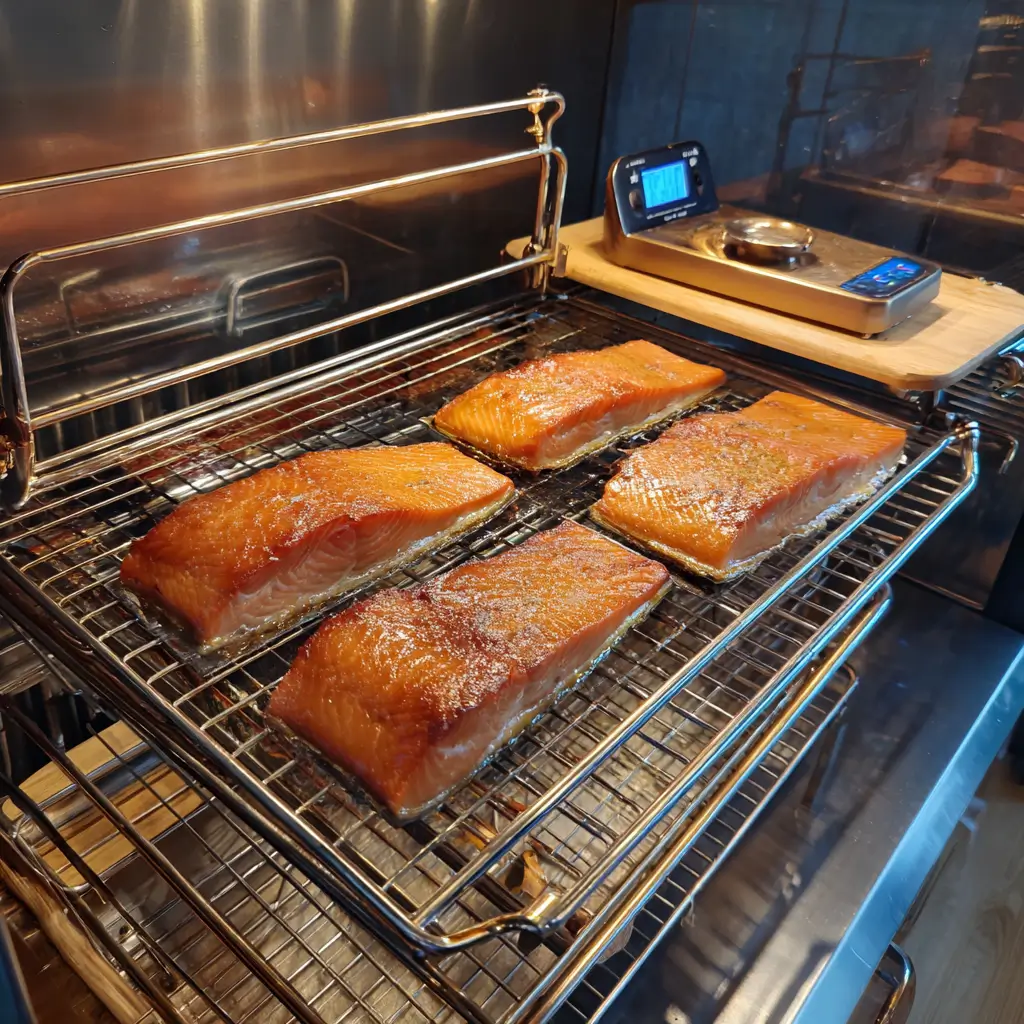
For better precision and cleaner smoke, check out our tools for smoking salmon to help you get perfect, consistent results every time.
Step-by-Step Guide to a Perfect Light Smoke
- Prepare the Salmon: Pat the fish dry, then rub it with salt and sugar. Let it cure for two hours to draw out moisture and deepen flavor.
- Rinse and Dry: Rinse off the cure, pat dry, and let the salmon rest until a light tacky surface forms — this helps smoke stick evenly.
- Set Up for Light Smoking: Keep your smoker below 90°F. Add mild wood chips for a soft, clean smoke.
- Smoke the Salmon: Smoke gently for about one to two hours. The goal of this lightly smoked salmon recipe is subtle flavor, not heavy smoke.
- Cool and Slice: Let the fish rest before slicing. The result should be moist, silky, and fragrant with just a whisper of smoke.
This lightly smoked salmon recipe is perfect for brunches, salads, or light dinners. You can store it for up to a week in the refrigerator or freeze it for longer freshness. The key is patience — gentle smoke, low heat, and quality ingredients make all the difference.
Cooking and Serving Ideas for Lightly Smoked Salmon
Delicious Recipe Pairings
A lightly smoked salmon recipe is one of the most versatile dishes you can create. Its subtle smoky flavor pairs beautifully with a wide range of ingredients, from fresh herbs to creamy textures. Try layering thin slices of lightly smoked salmon on toasted sourdough with cream cheese and dill, or folding it into warm pasta with lemon and capers.
For brunch, serve your lightly smoked salmon recipe on a bagel with avocado and red onion — a simple classic that never fails. It’s also perfect for canapés, appetizers, or as a delicate topping for a fresh green salad. The beauty of lightly smoked salmon is that it enhances other flavors instead of overpowering them, adding depth and elegance to every bite.
If you enjoy more fusion-inspired meals, dice your salmon into cubes and mix it with soy sauce, sesame oil, and green onions for a quick salmon poke twist. Try our salmon poke recipe for inspiration on how to bring fresh and smoky flavors together in one dish.
How to Store and Reuse Lightly Smoked Salmon
A well-made lightly smoked salmon recipe stays delicious for days if stored properly. Keep it tightly wrapped in parchment paper or an airtight container and refrigerate it for up to a week. You can also freeze portions for up to two months — just thaw gently in the fridge to maintain its smooth texture.
Leftover lightly smoked salmon recipe ingredients can be turned into quick bites: mix flaked salmon with cream cheese for a spread, or add it to scrambled eggs for a hearty breakfast. It’s a fantastic way to enjoy gourmet flavors with minimal effort.
Lightly smoked salmon works beautifully as both the star of the meal and a subtle complement to others. Its flavor is refined, its texture tender, and its uses almost endless — truly a staple worth mastering in any kitchen.
Nutrition and Health Benefits
Nutritional Comparison: Lightly vs. Fully Smoked Salmon
A well-prepared lightly smoked salmon recipe isn’t just delicious — it’s incredibly nutritious. Both lightly smoked and fully smoked salmon are packed with protein, omega-3 fatty acids, and essential vitamins, but their nutrient balance differs slightly due to smoking time and salt content.
| Nutrient (per 3 oz serving) | Lightly Smoked Salmon | Fully Smoked Salmon |
|---|---|---|
| Calories | 180 | 200 |
| Protein | 20g | 22g |
| Fat (Omega-3s) | 9g | 8g |
| Sodium | 350mg | 600mg |
| Vitamin D | High | Moderate |
Because it spends less time in the smokehouse, a lightly smoked salmon recipe generally retains more moisture and fewer added salts. It’s also slightly higher in omega-3s, which support heart health, brain function, and inflammation control. Fully smoked salmon, while equally rich in protein, tends to have a saltier bite and longer shelf life.
Eating a lightly smoked salmon recipe regularly can help boost your intake of healthy fats, promote muscle repair, and support overall wellness — all while providing gourmet flavor without guilt.
Which Type of Smoked Salmon Is Healthier?
In terms of overall nutrition, lightly smoked salmon takes the lead. Its shorter smoking process helps preserve delicate nutrients while keeping sodium lower. This makes it a great choice for anyone following a balanced diet or looking for cleaner, heart-friendly meals.
Fully smoked salmon can still be enjoyed in moderation, but the salt content may be higher than in a lightly smoked salmon recipe. Choosing fresh salmon and using natural wood smoke without additives also ensures the healthiest results.

Lightly Smoked Salmon

Equipment
- smoker or stovetop smoking kit maintain low temp under 90°F
- mixing bowl for curing mix
- paper towels for drying fillets
- wire rack to dry salmon pre-smoking
Ingredients
- 4 salmon fillets (skin-on preferred)
- 2 tbsp coarse salt
- 1 tbsp sugar
- as needed applewood or alder wood chips
Instructions
- Pat salmon fillets dry. Rub evenly with coarse salt and sugar on all sides.
- Let salmon cure in the fridge for 2 hours. This helps draw out moisture and enhances flavor.
- Rinse salmon gently, pat dry, and let rest until a tacky surface (pellicle) forms.
- Preheat your smoker to under 90°F. Use mild wood chips like applewood or alder.
- Place salmon in smoker and gently smoke for 1 to 2 hours, depending on desired intensity.
- Remove salmon and let rest before slicing. Enjoy warm or chilled.
Notes
Nutrition
For an easy, nutritious breakfast idea, discover great pairings in our smoked salmon and egg recipe, a simple dish that brings protein, flavor, and balance to your morning routine.
FAQs About Smoked Salmon
What is lightly smoked salmon?
A lightly smoked salmon recipe involves gently curing fresh salmon and exposing it to smoke for a shorter time at low temperatures — typically below 90°F. This method gives the fish a mild, clean flavor and tender texture while preserving its natural oils. It’s a great option for those who enjoy the taste of smoked salmon but prefer something soft, moist, and less salty.
What is the difference between the different types of smoked salmon?
There are two main types: lightly smoked and fully smoked. A lightly smoked salmon recipe uses a brief smoking process that enhances flavor without drying out the fish, keeping it silky and bright. Fully smoked salmon, however, is exposed to smoke for several hours, resulting in a darker, firmer, and stronger-tasting fish.
The key differences come down to time, temperature, and flavor intensity — lightly smoked for freshness and balance, fully smoked for richness and depth.
What type of smoked salmon is healthier?
From a nutritional perspective, a lightly smoked salmon recipe is often healthier because it contains less sodium and retains more omega-3 fatty acids. The gentle smoking process helps preserve essential nutrients while keeping the flavor mild. Fully smoked salmon still offers plenty of benefits but tends to be saltier due to longer curing and smoking times.
If you’re looking to add healthy protein to your diet, lightly smoked salmon is an excellent choice — flavorful, nutrient-rich, and heart-friendly.
What’s the best smoker for salmon?
The best smoker depends on your cooking style. Electric smokers are great for beginners because they maintain steady temperatures, while pellet and charcoal smokers offer stronger flavor control. If you’re experimenting with a lightly smoked salmon recipe, aim for a model that can stay under 90°F for a true light smoke.
For those without a smoker, there’s an easy workaround — don’t miss our guide on how to smoke salmon without a smoker, which walks you through stovetop and oven techniques that still deliver authentic smoky results.
Conclusion: Bringing the Best of Both Worlds to Your Kitchen
A well-crafted lightly smoked salmon recipe proves that great flavor doesn’t have to be complicated. With its gentle smokiness, buttery texture, and subtle aroma, lightly smoked salmon captures everything people love about this fish — freshness, versatility, and elegance. Whether you enjoy it on a crisp bagel, in a salad, or as part of a brunch spread, its mild flavor fits effortlessly into any meal.
While fully smoked salmon delivers a bold, robust experience, a lightly smoked salmon recipe offers a cleaner, more refined taste that highlights the natural character of the fish. It’s perfect for home cooks who value balance, freshness, and simplicity. Once you understand the differences between the two, you can tailor your smoking method to suit any mood or occasion.
For more delicious salmon ideas and quick bites, looking for inspiration? Try our easy salmon recipe bites, a fun and flavorful way to make the most of your next batch of smoked salmon.
And if you love exploring new flavors, follow us on Pinterest for more smoked seafood recipes, creative plating ideas, and kitchen tips shared by passionate home cooks just like you.
No matter how you serve it — fresh, smoky, or somewhere in between — mastering your own lightly smoked salmon recipe is the start of a flavorful journey worth savoring.