
Introduction to Lightly Smoked vs Fully Smoked Salmon
What Makes Smoked Salmon So Popular?
Smoked salmon has a special place in kitchens everywhere. Its silky texture, delicate saltiness, and smoky aroma make it a breakfast favorite, a brunch star, and a gourmet touch for dinners and appetizers alike. But when it comes to lightly smoked vs fully smoked salmon, many people don’t realize that these two versions are quite different — not just in flavor, but in how they’re made and used.
Whether you’re crafting a fancy platter or making a quick weekday meal, understanding the difference between smoked salmon types helps you pick the perfect one for your recipe. Lightly smoked salmon offers a softer, milder experience with a touch of smoke that highlights the salmon’s natural sweetness. Fully smoked salmon, in contrast, delivers a bolder, deeper flavor that comes from a longer, more intense smoking process.
In this complete smoked salmon comparison, we’ll explore how each type is prepared, how the smoking temperature changes the texture, and why your choice matters for taste and nutrition. By the end, you’ll know exactly which type of smoked salmon to buy for every occasion — from brunch boards to elegant dinner recipes.
If you’ve ever asked yourself whether you prefer lightly smoked or fully smoked salmon, this guide will help you taste the difference and decide which fits your palate best.
A Quick Overview of Smoking Methods: Light vs Full Smoke
The key to understanding lightly smoked vs fully smoked salmon lies in the smoking process itself. Lightly smoked salmon is usually cold-smoked, a method that uses lower temperatures over a shorter period. This keeps the fish tender, moist, and subtly smoky. Fully smoked salmon, however, is often hot-smoked, which cooks the fish gently while infusing a rich, deep flavor and a firmer texture.
In short, lightly smoked salmon tastes more delicate and buttery, while fully smoked salmon feels hearty and robust. Both have their place — the lighter version is ideal for fresh salads, sushi, or breakfast bagels, while the fully smoked option pairs beautifully with pasta, creamy sauces, or as a protein-packed snack on its own.

If you’d like to experience both styles firsthand, learn more about how to smoke salmon at home to appreciate the craftsmanship behind every slice. Once you understand how temperature and time shape the salmon, you’ll never look at smoked fish the same way again.
In the next section, we’ll dive deeper into how the smoking process works — the true secret behind the taste, texture, and color differences in lightly smoked vs fully smoked salmon.
Table of Contents
The Smoking Process Explained
The Science Behind Smoking Salmon
To really understand lightly smoked vs fully smoked salmon, we need to step behind the smoke. Smoking is an age-old preservation technique that turns simple fish into something complex and flavorful. The process does more than just add a smoky aroma — it changes the texture, deepens the color, and enhances the salmon’s natural richness.
When making lightly smoked salmon, the fish is exposed to smoke at lower temperatures, usually under 90°F. This gentle process, called cold smoking, doesn’t cook the salmon but infuses it with subtle smokiness. The result? A silky, almost raw texture with a clean, ocean-fresh taste. It’s ideal for dishes where texture matters — think bagels with cream cheese, canapés, or sushi rolls.
In contrast, fully smoked salmon is produced through hot smoking, where temperatures range between 120°F and 180°F. Here, the heat not only smokes the fish but also cooks it slightly. The outcome is a firmer, flakier texture and a flavor that’s deeper, saltier, and more pronounced. You can tell the difference instantly — lightly smoked salmon feels delicate, while fully smoked salmon offers that hearty, meaty bite.
Understanding this process is the foundation of any good smoked salmon comparison, because how long and how hot you smoke determines everything — from taste to texture to shelf life.
Cold Smoking vs Hot Smoking — How Each Affects Flavor and Texture
The difference between smoked salmon types comes down to time and temperature. Let’s break it down clearly:
| Smoking Type | Temperature Range | Texture | Flavor Profile | Best Used For |
|---|---|---|---|---|
| Lightly Smoked (Cold-Smoked) | 70°F–90°F | Soft, silky | Mild, delicate | Bagels, salads, sushi |
| Fully Smoked (Hot-Smoked) | 120°F–180°F | Firm, flaky | Deep, rich | Pasta, sandwiches, charcuterie |
When comparing lightly smoked vs fully smoked salmon, the biggest difference isn’t just flavor — it’s the experience. Lightly smoked salmon melts in your mouth, while fully smoked salmon satisfies with structure and depth.
Hot smoking also caramelizes natural oils, giving the fish a darker color and slightly sweet aftertaste. Meanwhile, cold smoking preserves that bright, translucent pink hue that’s visually stunning on a platter. These subtle details are what make each style unique and worth savoring.
If you’re intrigued by how temperature and technique create such variety, learn more about hot vs cold smoked salmon for a detailed breakdown of both methods.
Lightly Smoked Salmon — Flavor, Texture & Uses
What Is Lightly Smoked Salmon?
When people talk about the elegance of smoked fish, they’re often describing lightly smoked salmon. This version of salmon undergoes a gentle cold smoking process that infuses just a whisper of smoke while preserving the fish’s naturally smooth texture. In the world of lightly smoked vs fully smoked salmon, this type stands out for its subtlety and freshness.
Lightly smoked salmon keeps its bright, translucent pink color and a melt-in-your-mouth feel. Because it’s not cooked during smoking, the flavor remains clean and slightly sweet with only a hint of smokiness. It’s the kind of salmon that feels luxurious without being overwhelming.
If you love a more delicate flavor, lightly smoked salmon is perfect. It complements soft cheeses, eggs, and crisp vegetables beautifully. Plus, it’s easy to slice thinly for bagels, salads, or sushi — the signature choice for light, refined dishes.
When to Use Lightly Smoked Salmon in Recipes
Lightly smoked salmon shines when you want flavor without heaviness. It’s an essential ingredient for brunch spreads, charcuterie boards, and healthy weekday lunches. Because it retains moisture, it blends effortlessly into creamy dishes or pairs nicely with lemon, dill, or capers.
Here are a few ways to enjoy it:
- Breakfast: Layer thin slices over toast or bagels with cream cheese.
- Lunch: Add it to fresh green salads or light pasta dishes.
- Dinner: Serve it alongside roasted vegetables or in a simple grain bowl.
Compared to fully smoked salmon, the lighter version has a cleaner, fresher taste — ideal when you want the salmon itself to shine rather than the smoke.
In the lightly smoked vs fully smoked salmon debate, lightly smoked always wins on delicacy and versatility. It’s the choice for those who appreciate a refined flavor and smooth, silky texture that almost melts as you eat it.
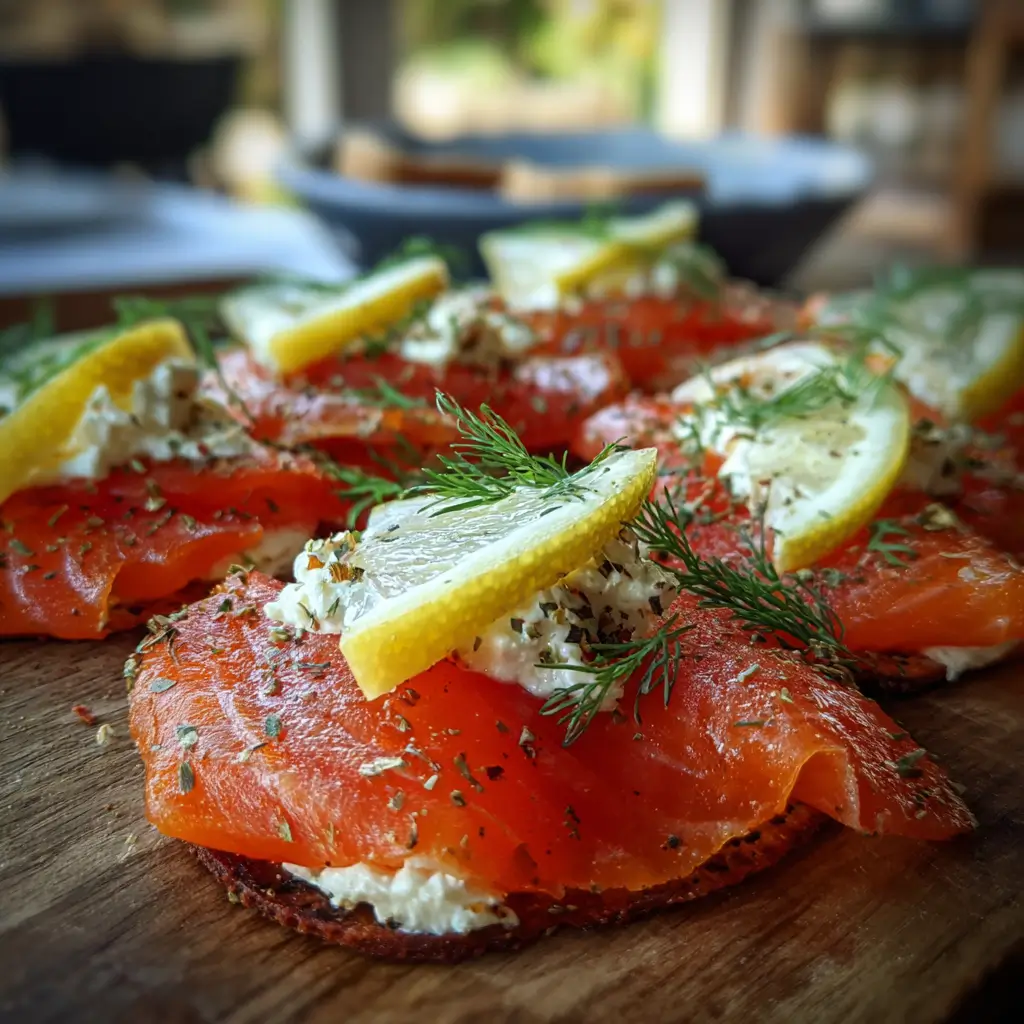
To experience it yourself, check out this lightly smoked salmon recipe that walks you through the steps of making it at home — gently cured, smoked, and perfectly balanced.
Fully Smoked Salmon — Deep Flavor and Firm Texture
Defining Fully Smoked Salmon
In the world of lightly smoked vs fully smoked salmon, the fully smoked variety is all about depth, warmth, and boldness. This salmon is hot-smoked at higher temperatures, typically between 120°F and 180°F. Unlike lightly smoked salmon, which stays raw and silky, fully smoked salmon is gently cooked through the process, giving it a firm, flaky texture and an unmistakably rich flavor.
Each slice carries a deep smoky aroma, darker color, and hearty bite. It’s less delicate but far more robust — perfect for recipes where you want that intense, savory note to shine. Fully smoked salmon also lasts longer, making it ideal for meal prep or adding to pasta, sandwiches, or grain bowls.
Best Ways to Enjoy Fully Smoked Salmon
Fully smoked salmon is the bold star of many comforting dishes. Its firm texture holds up beautifully to heat, making it perfect for:
- Creamy pastas and risottos — adds smoky richness.
- Sandwiches and wraps — pairs well with fresh greens and tangy sauces.
- Warm bowls and salads — balances roasted vegetables and grains.
Compared to lightly smoked salmon, fully smoked salmon delivers a stronger taste and satisfying chew. When flavor intensity matters, this style wins.
In short, in any smoked salmon comparison, fully smoked salmon stands for bold flavor and hearty texture — the comforting, cooked side of the lightly smoked vs fully smoked salmon experience.
Want to explore more? Don’t miss our detailed guide: Fully Smoked Salmon Explained to learn how smoking time, wood choice, and temperature affect flavor and texture.
Key Differences Between Lightly and Fully Smoked Salmon
Texture, Color, and Moisture Comparison
When it comes to lightly smoked vs fully smoked salmon, the real magic lies in their differences. Though both start with the same fresh fish, how they’re smoked completely transforms their texture, flavor, and appearance.
Lightly smoked salmon is cold-smoked at lower temperatures, preserving its smooth, almost raw texture and subtle flavor. It’s soft, moist, and buttery — perfect for fresh dishes and elegant appetizers. Fully smoked salmon, however, goes through a longer, hotter process. The result? A firmer, flakier texture and a more pronounced smoky aroma that stands out in hearty recipes.
Here’s a clear smoked salmon comparison table to visualize these differences:
| Feature | Lightly Smoked Salmon | Fully Smoked Salmon |
|---|---|---|
| Smoking Method | Cold-smoked (below 90°F) | Hot-smoked (120–180°F) |
| Texture | Soft, silky | Firm, flaky |
| Color | Light pink | Deep amber |
| Flavor | Mild, clean | Bold, smoky |
| Best For | Bagels, salads, sushi | Pasta, sandwiches, grain bowls |
The difference between smoked salmon types is more than just temperature — it’s a difference in personality. Lightly smoked salmon offers refinement and delicacy, while fully smoked salmon brings intensity and comfort.
Flavor and Nutritional Differences
In flavor, lightly smoked vs fully smoked salmon couldn’t be more distinct. The lightly smoked kind preserves the natural sweetness of the fish, ideal for those who love a clean, fresh taste. Fully smoked salmon develops deep, savory layers that pair well with spices, marinades, and rubs.
Nutritionally, both types are rich in protein and omega-3 fatty acids, but fully smoked salmon may contain slightly more sodium due to its longer curing process. If you’re mindful of salt intake, lightly smoked salmon may be the better option.
Ultimately, choosing between lightly smoked and fully smoked salmon depends on how you plan to use it. For delicate starters or brunch dishes, go light. For strong, smoky entrées or hearty pastas, go full.
In the lightly smoked vs fully smoked salmon debate, there’s no wrong choice — only different experiences of the same beautiful fish.
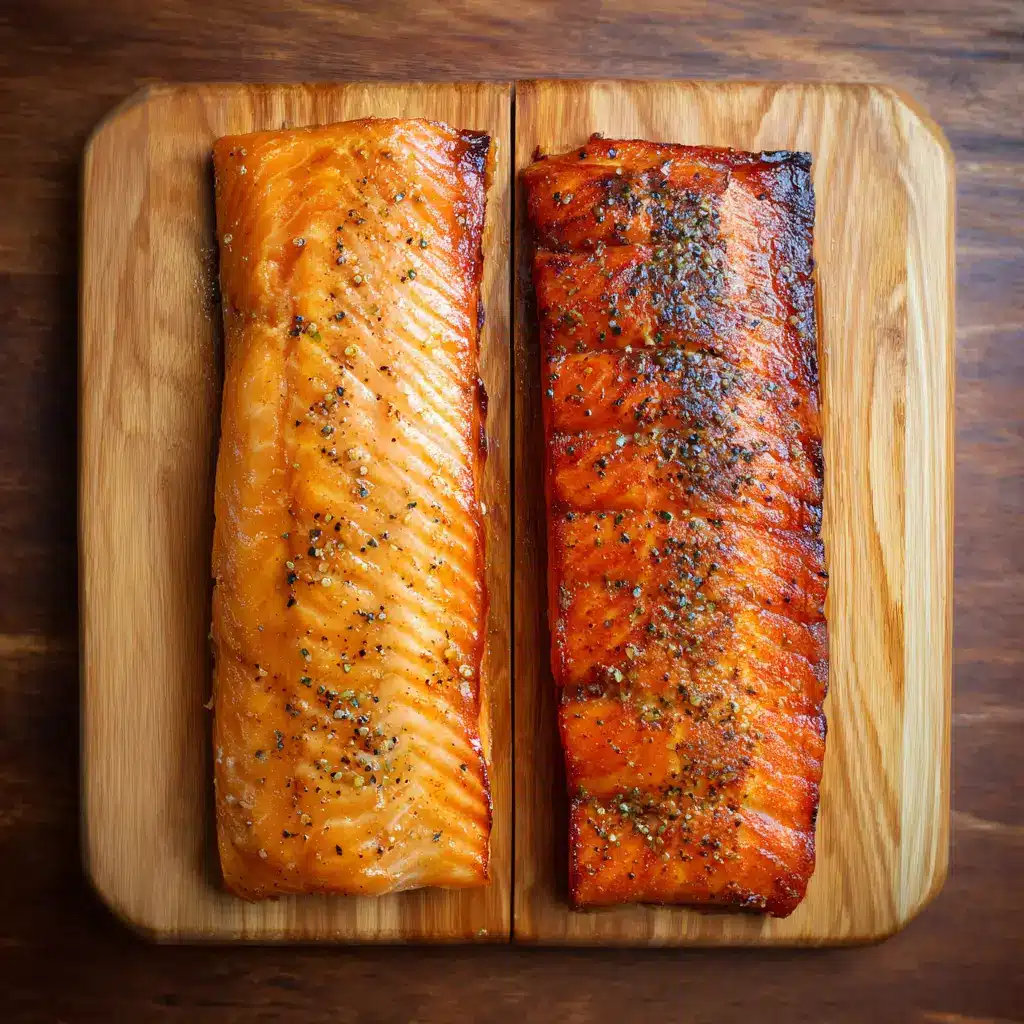
To enhance flavor on either kind, especially the fully smoked version, discover the best rub for smoked salmon. The right seasoning can make your salmon stand out — whether it’s lightly or fully smoked.
Health and Nutrition Insights
Is Lightly Smoked Salmon Healthy?
When comparing lightly smoked vs fully smoked salmon, health often becomes a deciding factor. Both types are nutritious, rich in protein, and packed with omega-3 fatty acids that support heart and brain health. But because their smoking methods differ, their nutritional profiles vary slightly too.
Lightly smoked salmon is usually cold-smoked, which means it isn’t cooked at high heat. This helps preserve more of the salmon’s natural omega-3s and moisture, giving you a nutrient-dense option that feels light and fresh. It’s also lower in sodium since the brining time is shorter, making it a smart choice for those watching salt intake.
By contrast, fully smoked salmon is hot-smoked, which cooks the fish gently while intensifying its flavor. The process adds a deeper smokiness but can slightly reduce some heat-sensitive nutrients. However, it remains a protein-rich, heart-healthy food when eaten in moderation.
What Is the Healthiest Type of Smoked Salmon?
In the world of lightly smoked vs fully smoked salmon, both can be part of a healthy diet — it just depends on your goals. Lightly smoked salmon is the better option if you want a cleaner, lower-sodium protein with a delicate taste. It’s closer to raw salmon in nutrients and ideal for those who prefer less processing.
Fully smoked salmon, on the other hand, provides a satisfying, filling bite and works well for people who crave intense smoky flavor. It’s slightly saltier but still nutrient-packed and versatile. The key is moderation: enjoy smoked salmon as a flavorful complement, not the main source of protein in your diet.
If you’re exploring the difference between smoked salmon types for health reasons, remember this simple rule: lightly smoked salmon is fresher and lighter, while fully smoked salmon is richer and heartier. Both offer omega-3s, lean protein, and that delicious smoky character that makes salmon so special.
If you’re looking for a balanced way to enjoy smoked fish, try pairing it with antioxidant-rich ingredients like avocado, spinach, or whole grains. For a flavorful and wholesome meal idea, check out this Cheesecake Factory Miso Salmon recipe that blends smoky richness with light, nourishing ingredients.
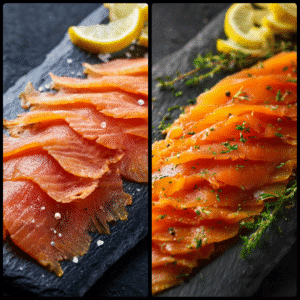
Lightly Smoked vs Fully Smoked Salmon

Notes
Nutrition
Culinary Uses and Pairings
Perfect Pairings for Each Type of Smoked Salmon
When it comes to cooking with lightly smoked vs fully smoked salmon, the right pairings make all the difference. Each type brings its own texture, flavor, and mood to the table — one refined and silky, the other hearty and bold.
Lightly smoked salmon has a delicate flavor that works beautifully with bright, fresh ingredients. Think lemon, dill, chives, and cream cheese. Its subtle smokiness complements rather than dominates, making it a favorite for breakfast and brunch dishes. You can layer it on bagels, toss it into crisp salads, or serve it on a cheese board beside soft brie or goat cheese.
Fully smoked salmon, on the other hand, pairs best with rich or earthy flavors. Its bold smokiness shines with roasted vegetables, capers, caramelized onions, or creamy pasta sauces. Because it’s firmer, it also holds up well in warm dishes and can be flaked into scrambled eggs, risotto, or savory grain bowls.
Creative Ways to Serve Smoked Salmon
Whether you’re hosting brunch or preparing a cozy dinner, lightly smoked vs fully smoked salmon gives you endless culinary possibilities. Here are some ideas to inspire your next dish:
- Appetizers: Serve thinly sliced lightly smoked salmon on cucumber rounds or toast points with a lemon-dill spread.
- Lunch Bowls: Add flaked fully smoked salmon to quinoa or rice with roasted veggies and olive oil.
- Dinner Ideas: Stir either type into creamy pasta, or use fully smoked salmon in hearty chowders.
- Party Boards: Combine both types on a charcuterie platter — contrast the silky and firm textures for a balanced presentation.
The beauty of this smoked salmon comparison is versatility. Lightly smoked salmon elevates elegant, fresh dishes, while fully smoked salmon brings warmth and depth to comfort foods. Together, they cover every craving from light brunch bites to indulgent dinners.
If you want a satisfying morning meal that blends texture and flavor, check out this smoked salmon and egg recipe. It’s a simple, hearty dish that highlights how both lightly and fully smoked salmon can turn breakfast into something special.
If you love experimenting with seafood, join our growing foodie community and get inspired with new recipes — follow Craftsman Recipes on Facebook for delicious smoked salmon ideas, quick tips, and creative meal pairings.
Tips for Choosing and Storing Smoked Salmon
How to Identify Quality Smoked Salmon
When selecting lightly smoked vs fully smoked salmon, quality makes all the difference. The best smoked salmon should look fresh, smell clean, and feel balanced in texture. Lightly smoked salmon typically has a soft pink, almost translucent color and a silky, moist feel. Fully smoked salmon, by contrast, appears darker — with a deep amber hue and a firmer, flakier texture.
Always read the ingredient list carefully. True lightly smoked or fully smoked salmon should contain only salmon, salt, and perhaps a touch of sugar — never artificial smoke flavoring. The clean, natural smoking process gives authentic flavor and aroma without the need for chemicals.
Proper Storage and Shelf Life Tips
Storing your lightly smoked vs fully smoked salmon correctly keeps it safe and flavorful. Lightly smoked salmon should always be refrigerated below 38°F and eaten within 3–4 days once opened. Because it’s cold-smoked and delicate, it spoils faster.
Fully smoked salmon, on the other hand, is hot-smoked and slightly cooked, giving it a longer shelf life. Unopened, it lasts up to two weeks in the fridge and even longer if vacuum-sealed. Once opened, consume within a week for peak flavor and texture.
Whether you love the fresh elegance of lightly smoked salmon or the bold heartiness of fully smoked salmon, proper care ensures every bite tastes as delicious as the day it was smoked.
If you want to achieve the perfect balance of flavor at home, learn more about essential tools for smoking salmon. The right equipment helps you create restaurant-quality results and truly appreciate the difference between lightly smoked vs fully smoked salmon.
FAQs About Smoked Salmon (with Answers)
Is lightly smoked salmon healthy?
Yes. Lightly smoked salmon is cold-smoked, which helps retain more omega-3 fatty acids and natural nutrients. Compared to fully smoked salmon, it’s lower in sodium and feels lighter, making it a great choice for health-conscious eaters.
What is the healthiest type of smoked salmon?
When comparing lightly smoked vs fully smoked salmon, lightly smoked is generally healthier. Its gentle smoking method keeps the fish’s natural oils intact while reducing salt levels. Still, both versions are excellent sources of lean protein and omega-3s when eaten in moderation.
What is the healthiest form of salmon to eat?
The healthiest salmon is fresh or lightly smoked since it’s less processed and packed with nutrients. However, fully smoked salmon can still be part of a balanced diet when paired with whole grains, greens, and fresh ingredients.
What are the two types of smoked salmon?
The two main types are lightly smoked salmon (cold-smoked) and fully smoked salmon (hot-smoked). Lightly smoked salmon is soft, silky, and mild in flavor, while fully smoked salmon is firm, cooked, and deeply smoky. Understanding these differences is key to enjoying lightly smoked vs fully smoked salmon in your favorite recipes.
If you love experimenting with new ways to enjoy salmon, follow Craftsman Recipes on Pinterest for fresh serving ideas, smoked salmon boards, and recipe inspiration.
HNA M3AK – ORIGINE said:
Conclusion: Choosing Between Lightly and Fully Smoked Salmon
When it comes to lightly smoked vs fully smoked salmon, there’s no single winner — only the right choice for your taste, texture preference, and recipe goals. Both versions deliver the signature smoked salmon flavor we love, but each tells a different story.
Lightly smoked salmon offers a gentle touch — silky, fresh, and refined. It’s ideal for light meals, brunch spreads, and elegant appetizers. Fully smoked salmon, on the other hand, is bold, rich, and deeply satisfying — perfect for hearty dishes and smoky entrées.
The key is to match your salmon to your moment. If you’re craving something delicate and fresh, go light. If you want depth and warmth, go full. And don’t forget — both kinds are packed with protein and omega-3s, making them delicious and nourishing options.
For a quick, flavorful way to enjoy salmon any day, don’t miss our easy salmon recipe bites. They’re a perfect reminder that whether you choose lightly smoked or fully smoked salmon, you’re in for something special.
And if you’re inspired to create more smoky dishes, follow Craftsman Recipes on Pinterest for visual recipe ideas and plating inspiration from home cooks who love smoked salmon just as much as you do.