
Salmon dry rub is the heart of unforgettable smoked or grilled salmon. It’s that magical blend of salt, sugar, and spices that turns a simple fillet into something rich, caramelized, and deeply satisfying. The beauty of a dry rub is in its simplicity — no messy marinades, no long wait times, just pure flavor that works with the natural oils of the salmon to create a smoky, slightly crisp surface and a juicy, tender inside.
If you love smoked salmon but want to skip the store-bought seasonings, this homemade salmon dry rub will be your new go-to. It’s quick to make, customizable, and uses ingredients you probably already have in your pantry. You’ll learn how to mix your own perfect ratio of salt and sugar, choose the right spices for your flavor profile, and discover the best ways to apply and smoke your salmon for restaurant-quality results.
In this guide, we’ll break down every step — from ingredient selection and preparation to flavor variations and smoking methods — so you can master your own dry seasoning for smoked salmon at home. Whether you prefer something sweet and mellow or bold and spicy, you’ll find inspiration here to make every bite of salmon memorable.
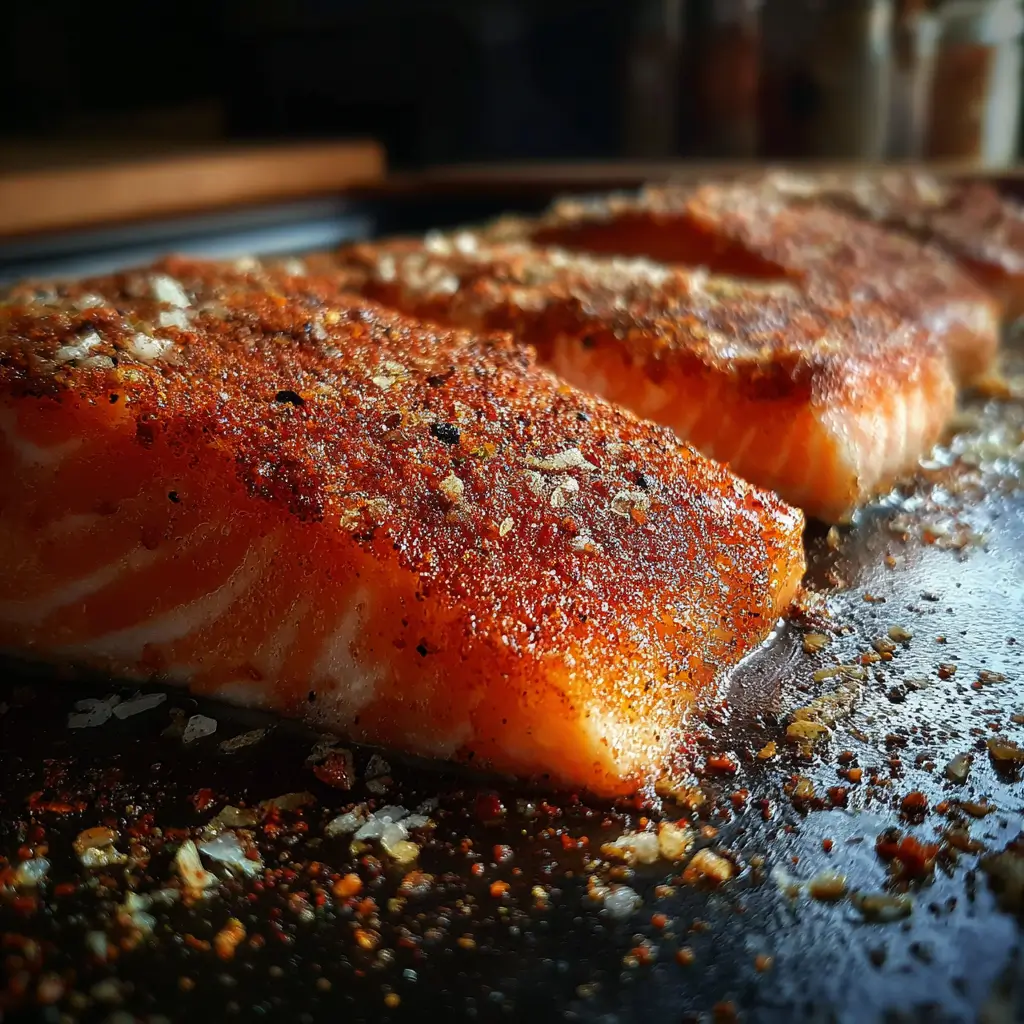
Learn more about creative salmon dishes like this one: Smoked Salmon and Egg
Follow us on Facebook for new salmon recipes and weekly kitchen tips.
Table of Contents
Understanding What Makes a Great Salmon Dry Rub
Before you start mixing, it helps to know why a salmon dry rub works so well. It’s not just about adding flavor — it’s about chemistry. Salt draws out moisture, sugar balances it, and spices add aroma and complexity. Together, they form a delicate crust that enhances both the flavor and texture of your smoked salmon.
The Science Behind Dry Rubs for Fish
A dry rub does more than season — it lightly cures the salmon. The salt firms up the flesh and helps the fish absorb the spice blend evenly. Sugar, on the other hand, adds that hint of sweetness and encourages caramelization when exposed to heat, creating a beautiful golden-brown crust.
Smoked paprika infuses color and a whisper of smokiness, while black pepper brings warmth and depth. When combined, these simple ingredients elevate the salmon’s natural oils, resulting in a perfectly balanced bite every time.
Key Ingredients in the Perfect Salmon Dry Rub
Every flavorful easy salmon rub begins with a few core ingredients that complement salmon’s richness:
- Kosher salt – enhances flavor and draws moisture for a firmer texture.
- Brown sugar – adds sweetness and promotes caramelization.
- Smoked paprika – for color and subtle smokiness.
- Black pepper – provides mild heat and aroma.
- Garlic & onion powder – introduce depth and savoriness.
- Dried dill or thyme – brighten and balance the mix.
Flavor Balance: Sweet, Smoky, and Savory
When crafting your salmon dry rub, the trick is to balance all three key profiles: sweet, smoky, and savory. Too much salt can overwhelm delicate salmon, while excess sugar might burn during smoking. Aim for a 2:1 salt-to-sugar ratio and adjust spices according to your preference.
Want a bold, smoky flavor? Add extra paprika or chipotle. Prefer something lighter? Use lemon zest and fresh herbs. This flexibility is what makes homemade rubs so rewarding — you’re always in control of the flavor.
Discover great ideas like this step-by-step guide: DIY Smoked Salmon Guide
Find more visual inspiration on Pinterest — we share plating ideas, spice pairing charts, and smoking hacks every week.
Choosing Ingredients for the Perfect Dry Seasoning for Smoked Salmon
Building a flavorful dry seasoning for smoked salmon starts with simple, quality ingredients. Each element in your rub adds balance — salt for seasoning, sugar for sweetness, and spices for depth. Together, they create the foundation of an easy salmon rub that perfectly complements smoky fish.
Essential Spices and Herbs
Start with paprika, brown sugar, and kosher salt — the holy trio for any salmon rub. Add garlic and onion powder for savoriness, plus dill or thyme to bring out the salmon’s natural freshness. If you like a bit of spice, sprinkle in cayenne or chili powder. Keep it balanced so the salmon’s flavor shines through.
Salt, Sugar, and Balance
In any dry brine salmon recipe, salt firms up the fish while sugar balances and caramelizes during smoking. Stick to a 2:1 salt-to-sugar ratio for a smooth, not-too-sweet finish. Light brown sugar gives a mellow sweetness; dark brown sugar brings a richer, bolder tone — perfect for heavier smokes.
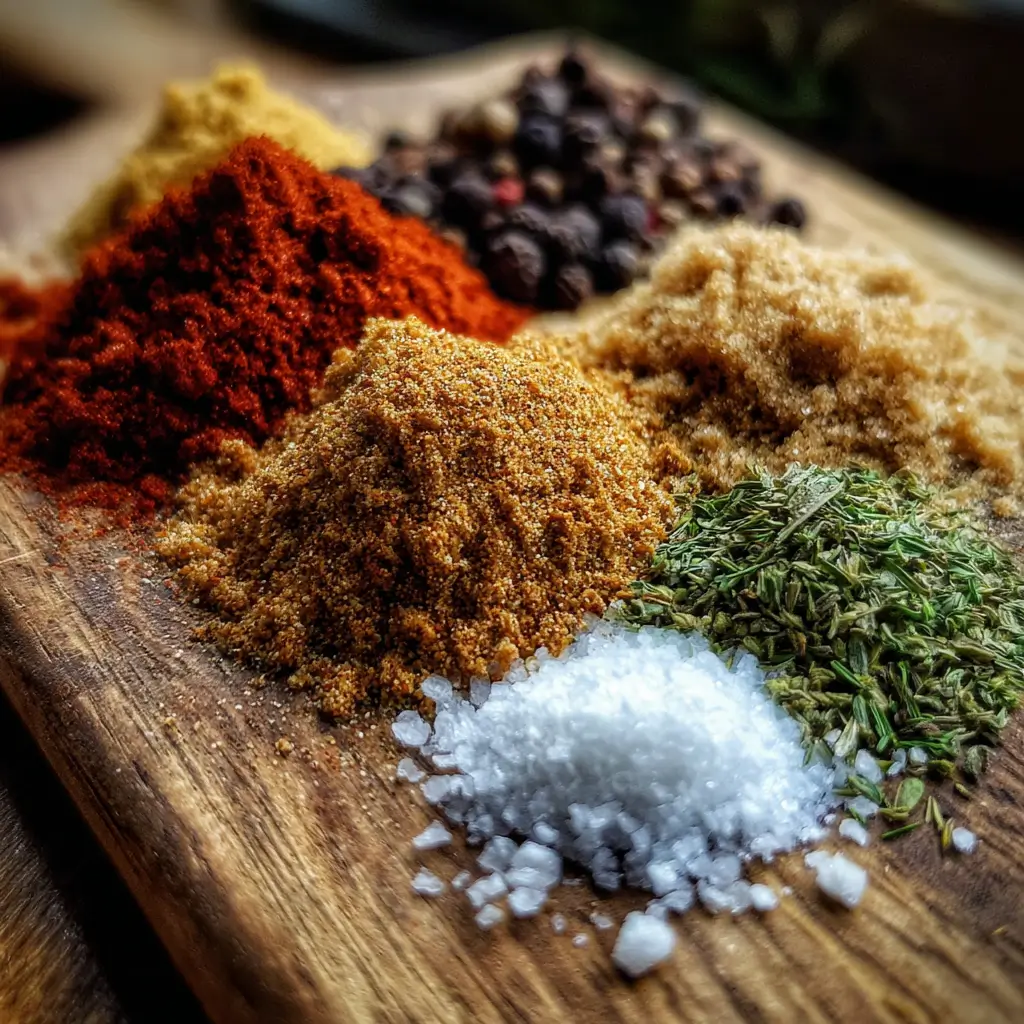
Check out this helpful guide for more seasoning inspiration: Hot vs Cold Smoked Salmon
Step-by-Step Guide: How to Dry Rub Salmon Like a Pro
Now that you know the ingredients, it’s time to put your salmon dry rub to work. This step-by-step guide walks you through how to prep, season, and rest your salmon so every bite turns out smoky, tender, and full of flavor.
Preparing the Salmon for the Rub
Start with a fresh fillet of salmon — skin on or off depending on your preference. Rinse it gently under cold water and pat it completely dry with paper towels. Removing excess moisture helps the dry seasoning for smoked salmon stick better and ensures even flavor distribution.
If the fillet is large, cut it into smaller portions for quicker seasoning and more consistent smoking.
Applying the Rub Evenly
Lay your salmon on a clean surface, then generously sprinkle your easy salmon rub over the flesh. Use your hands to press the rub in lightly — you’re aiming for even coverage, not a thick crust. Don’t forget the sides and edges; every bite should carry that perfect blend of salt, sugar, and spice.
For best results, let the seasoned fish rest uncovered in the refrigerator for at least 30 minutes. This allows the salt and sugar to penetrate the surface, locking in flavor and helping the flesh firm up.
Resting Before Smoking or Grilling
After seasoning, let your salmon sit at room temperature for about 10–15 minutes before smoking. This small step prevents temperature shock when it hits the heat, ensuring an even cook and moist texture. Whether you’re using a smoker, grill, or oven, this brief rest helps the rub form that irresistible golden crust once heat is applied.
Discover great ideas like this beginner’s guide: Beginner Smoked Salmon Recipe
Smoking and Cooking Techniques That Enhance Your Salmon Dry Rub
Smoking brings your salmon dry rub to life. The right heat, wood, and smoke level transform a simple fillet into a rich, flavorful masterpiece. Whether you prefer hot or cold smoking, knowing how to balance these elements ensures your rub delivers every bit of its sweet, smoky promise.
Hot vs. Cold Smoking
Hot smoking cooks the fish fully and deepens the flavor of your salmon dry rub. It’s perfect for bold blends with paprika or pepper. Cold smoking keeps the salmon silky and gently infuses flavor — great for light rubs with herbs or lemon zest. Both techniques highlight how a dry rub enhances salmon’s natural richness.
Choosing the Right Wood
The wood type defines how your dry seasoning for smoked salmon tastes.
- Applewood or maple add subtle sweetness.
- Cherry wood brings color and mild fruitiness.
- Hickory gives stronger, smoky depth.
A mix of apple and hickory wood works beautifully for balance.
Perfect Temperature Control
Maintain your smoker around 180–200°F (82–93°C) to let the salmon dry rub form that flavorful crust. Too much smoke can turn bitter — aim for steady, light smoke for the best results. The salmon is ready when it flakes easily and reaches 140°F (60°C) inside.
Discover more about perfect smoking balance here: Best Wood for Smoking Salmon
Popular Flavor Variations of Salmon Dry Rub Recipes
The beauty of a homemade salmon dry rub is that it’s endlessly customizable. You can easily tweak the spices to create flavor profiles that match your mood — from classic sweet and smoky to bold and spicy. Here are a few tried-and-true variations that work beautifully with smoked or grilled salmon.
Classic Brown Sugar and Pepper Rub
This timeless version of salmon dry rub balances salt, sugar, and spice perfectly. Combine brown sugar, kosher salt, smoked paprika, and black pepper for a sweet, smoky finish. It caramelizes beautifully during smoking, creating that golden crust everyone loves. This blend is ideal for those who prefer a familiar, comforting flavor that complements the salmon’s natural richness.
Spicy Cajun-Style Salmon Rub
For a fiery twist, try a spicy salmon dry rub with cayenne pepper, chili powder, and garlic powder. This bold blend adds a Southern kick to your smoked salmon. Pair it with maple wood for a deep, rich smoke that mellows the heat and enhances every bite. It’s the perfect choice for barbecue lovers who like their fish with attitude.
Herb and Lemon Zest Rub
If you prefer a lighter touch, go for an herb-based salmon rub. Mix dried dill, thyme, lemon zest, and a pinch of salt and sugar. This variation is fresh and vibrant, perfect for grilling or baking when you want clean, citrusy notes that let the salmon shine.
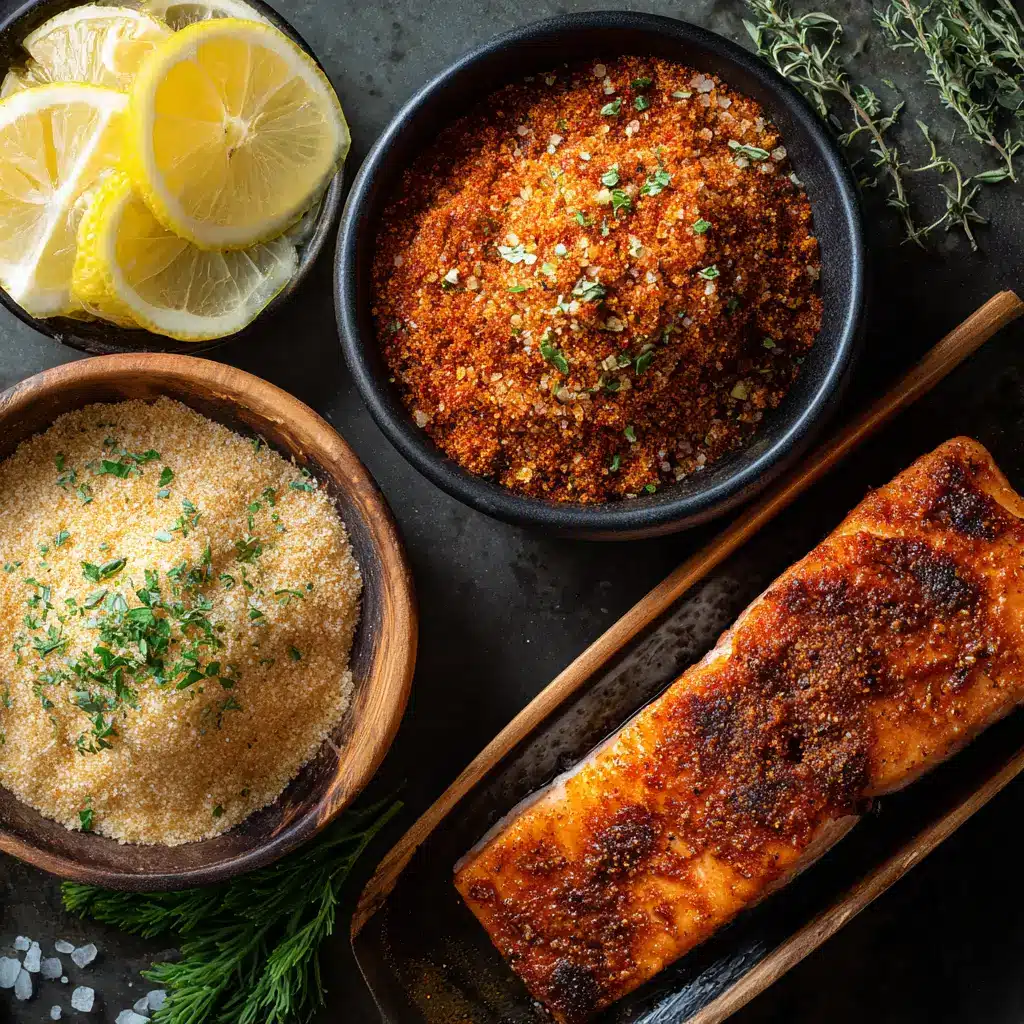
Check out this flavorful twist for more inspiration: Brown Sugar Smoked Salmon Rub
Tips for Making Your Salmon Rub Last Longer
Once you’ve mastered the perfect salmon dry rub, it’s worth making extra to keep on hand. Proper storage not only saves time but also helps your rub stay flavorful for months. With a few simple tricks, you can keep your seasoning fresh and ready whenever the craving for smoked salmon hits.
Store Your Rub the Right Way
Keep your salmon dry rub in an airtight glass jar or spice container. Exposure to air and light can dull the color and weaken the aroma of your spices. Store it in a cool, dark cabinet — not near the stove or any heat source. If you live in a humid area, consider adding a small food-safe silica packet to prevent clumping.
Make It in Batches
Preparing your easy salmon rub in small batches ensures freshness. Measure your ingredients carefully, label your jars with the date, and note the rub type — sweet, spicy, or herby. When stored properly, a dry rub can stay potent for up to 6 months, but the flavor is always best within the first three.
Avoid Moisture at All Costs
Never scoop your salmon dry rub with a damp spoon or sprinkle it directly over hot fish — moisture is its worst enemy. Always use a dry spoon and measure it out separately before applying. This simple step keeps your mix dry, flavorful, and safe to use every time.
Don’t miss our helpful guide to get more tips: Best Rub for Smoked Salmon
Common Mistakes to Avoid When Using a Salmon Dry Rub
Even seasoned cooks make small errors that can dull the flavor of a great salmon dry rub. The right technique brings out smoky, balanced results, while a few missteps can lead to overly salty, dry, or unevenly seasoned salmon. Here’s how to avoid the most common pitfalls when using your rub.
Over-Salting or Over-Sugaring
It’s tempting to go heavy on flavor, but too much salt or sugar can easily overpower delicate salmon. Since a salmon dry rub intensifies during smoking, start with a lighter hand and build up as needed. If you’re using a brown sugar-based rub, keep sugar to about one-third of the mix to prevent burning or a sticky surface.
Skipping the Resting Time
After applying your easy salmon rub, always let the fish rest — ideally 30 minutes in the fridge. This allows the salt and spices to penetrate and draw out excess moisture, creating a firm texture and deeper flavor. Skipping this step can leave your rub tasting surface-level rather than fully integrated into the salmon.
Not Matching Wood Type and Rub Flavor
A mismatch between your rub and wood choice can throw off the balance. For example, a delicate herb rub pairs best with light fruitwoods like apple or cherry, while a bold, spicy rub works beautifully with hickory or oak. Pairing the wrong wood can create bitterness or overpower the subtle sweetness of the salmon dry rub.
Salmon Dry Rub

Equipment
- mixing bowl
- measuring spoons
- paper towels
- cooling rack or plate for resting salmon
- airtight spice jar for storing extra rub
Ingredients
- 2 tbsp kosher salt
- 1 tbsp brown sugar
- 1 tbsp smoked paprika
- 1 tsp black pepper
- 1 tsp garlic powder
- 1 tsp onion powder
- 1 tsp dried dill or thyme
Instructions
- In a small bowl, combine kosher salt, brown sugar, smoked paprika, black pepper, garlic powder, onion powder, and dill or thyme. Mix well until evenly blended.
- Rinse salmon fillets under cold water and pat completely dry with paper towels. This helps the rub adhere better.
- Sprinkle the dry rub evenly over the salmon flesh. Use your fingers to gently press it into the surface. Be sure to season the sides and edges.
- Place seasoned salmon in the fridge uncovered for 30–60 minutes. This helps firm up the fish and enhances flavor absorption.
- Let the salmon sit at room temperature for 10–15 minutes before smoking or grilling to ensure even cooking.
Notes
Nutrition
Learn more about matching flavor and technique here: Tools for Smoking Salmon
Frequently Asked Questions About Salmon Dry Rub
Before you start mixing your own salmon dry rub, here are some of the most common questions people ask about seasoning and smoking salmon. These quick answers will help you master flavor balance and get perfect results every time.
What is a good rub for smoked salmon?
A good salmon dry rub combines salt, brown sugar, smoked paprika, black pepper, and dill. This mix creates a balanced flavor — slightly sweet, a little smoky, and perfectly savory. It works well for both hot and cold smoking and enhances the fish’s natural oils without overpowering it.
What seasoning goes best with smoked salmon?
The best seasonings for smoked salmon are herbs like dill, thyme, and parsley, along with lemon zest for brightness. Spices such as paprika, garlic powder, and pepper add warmth and depth. When blended into a simple dry seasoning for smoked salmon, these ingredients highlight the smoky flavor beautifully.
How to dry rub salmon?
To apply a salmon dry rub, start by patting your fish dry. Sprinkle the rub evenly over all sides, pressing lightly so it sticks. Let it rest in the refrigerator for 30–60 minutes to allow the flavors to absorb. Then, smoke or grill as desired for a flavorful crust and tender texture.
What is the best seasoning to put on salmon?
The best seasoning depends on your cooking method and taste. For smoking, go with a mix of brown sugar, paprika, salt, and black pepper. For grilling, an herb and citrus rub works great. The beauty of a homemade salmon dry rub is that you can adjust the flavors — spicy, sweet, or savory — to make it your own.
Explore another delicious variation here: Spicy Smoked Salmon Rub
Conclusion
Mastering a homemade salmon dry rub is one of the easiest ways to elevate your smoked or grilled salmon. With just a few pantry staples — salt, sugar, and the right mix of spices — you can create endless flavor variations that suit every mood. Whether you prefer a sweet brown sugar blend or a bold Cajun twist, each rub brings its own character to your salmon.
Take your time to balance flavors, choose your wood carefully, and let your rub work its magic before smoking. Once you find your perfect mix, you’ll never go back to store-bought seasonings again.
For more creative ideas and seafood inspiration, don’t miss our fresh and vibrant dish: Salmon Poke Recipe.
And remember to follow us on Facebook for weekly updates and check out our latest visuals on Pinterest.