
Salmon smoking temperature is what separates ordinary fish from a delicately smoked delicacy bursting with flavor. Whether you’re using a backyard smoker or an electric grill, knowing the best temp for smoked salmon is essential to getting that rich, buttery texture everyone loves. The wrong temperature can turn your fillet dry and tough, while the right heat produces tender, flaky salmon that melts in your mouth.
In this guide, we’ll uncover the secrets behind smoked salmon cooking temperature, explain how to manage temperature changes, and share expert tips for balancing time and heat to achieve perfectly smoked salmon every time. You’ll learn not only what temp to smoke salmon, but also how to control airflow, monitor consistency, and prevent overcooking.
If you enjoy restaurant-quality seafood, don’t miss our Cheesecake Factory Miso Salmon recipe — it’s an excellent prelude to understanding how flavor and temperature work hand-in-hand. And for those who love creative culinary inspiration, follow us on Facebook to see step-by-step salmon smoking tutorials and community-shared recipes.
Table of Contents
Understanding Salmon Smoking Temperature Basics
What Is the Ideal Salmon Smoking Temperature?
The ideal salmon smoking temperature depends on your smoking method. For hot smoking, aim for a steady range between 120°F and 180°F. This temperature allows natural oils to melt slowly, keeping the fish moist and enhancing its smoky flavor. Consistency is key — even slight temperature spikes can ruin your fish’s texture.
When cold smoking salmon, the temperature should stay between 65°F and 90°F, allowing the fish to absorb smoke flavor without actually cooking. This low smoked salmon cooking temperature results in silky, velvety slices similar to traditional lox.
Maintaining control over your salmon smoking temperature ensures a tender, flavorful outcome every single time. Whether you’re new to smoking or already an enthusiast, invest in a reliable thermometer to keep the temperature stable from start to finish.
How Temperature Affects Salmon Texture and Flavor
Temperature directly shapes the texture and taste of smoked salmon. At lower temperatures, the smoke penetrates slowly, creating deep, balanced flavors. At higher heat levels, it cooks faster and gives the fish a firmer bite with a bolder, roasted profile.
For most home setups, the best temp for smoked salmon sits around 160°F to 170°F — hot enough to cook safely but gentle enough to preserve moisture. By gradually raising the salmon smoking temperature, you give the fish time to absorb the perfect amount of smoke while maintaining its juicy interior.
Pro Tip: Always start cooler and finish hotter. This step-up approach prevents albumin (the white residue) from surfacing too early, which helps keep your salmon smooth and appetizing.
And when you’re ready to try new serving ideas, discover great salmon inspiration on Pinterest — from smoked salmon appetizers to brunch-ready salmon spreads.
Choosing Between Hot and Cold Smoking
Hot Smoking Salmon Temperature Range
When figuring out the ideal salmon smoking temperature, the first choice is whether to go with hot or cold smoking. Hot smoking both cooks and flavors the fish, giving you tender, flaky salmon that’s ready to serve right off the smoker. The best temp for smoked salmon in this method falls between 120°F and 180°F, with most experts recommending 160°F to 170°F for that perfect, juicy texture.
At this range, the internal temperature of your salmon should reach about 140°F to 145°F — fully cooked yet still moist. Temperature control is key; sudden changes can dry out the fillet or make it uneven.
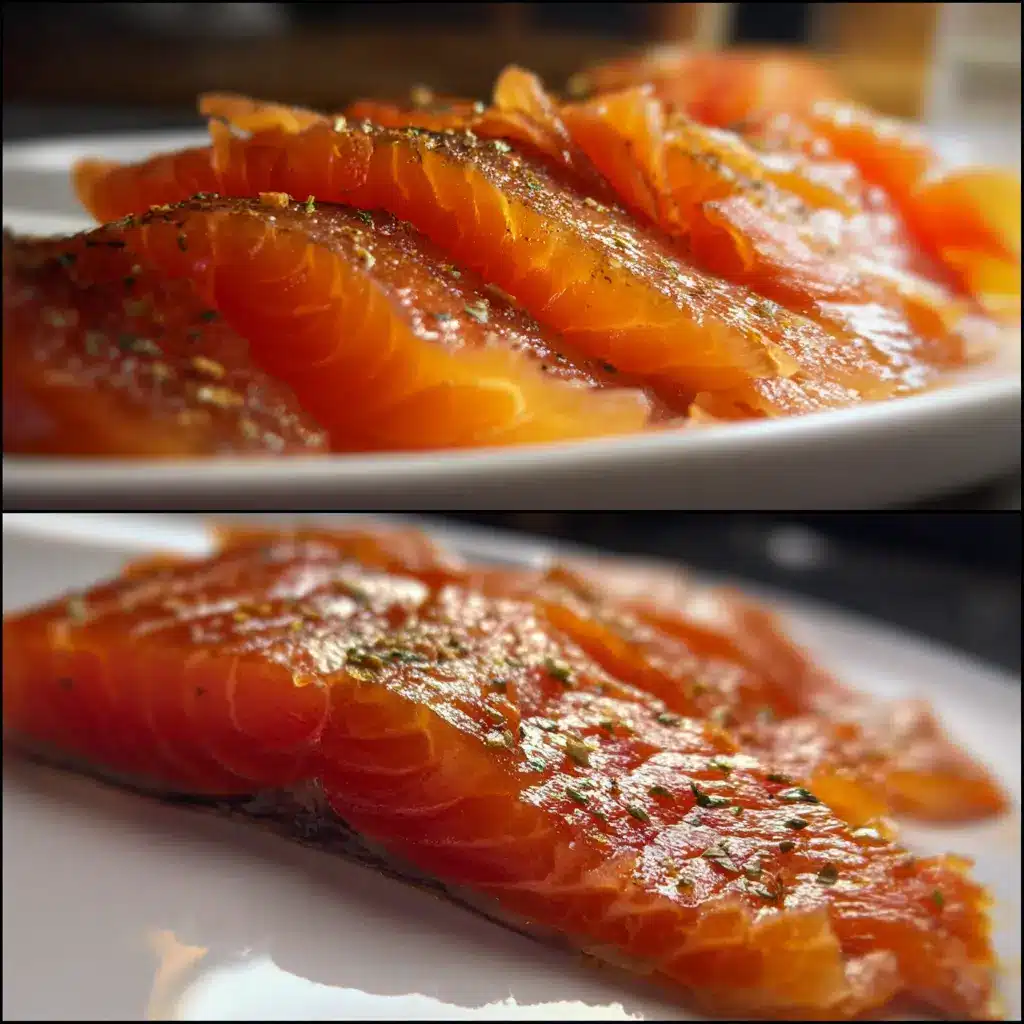
If you’re curious about how hot and cold smoking differ, read our hot vs cold smoked salmon comparison for an in-depth look at flavor and texture variations.
Cold Smoking Salmon Temperature Explained
Cold smoking uses a much lower salmon smoking temperature, typically 65°F to 90°F, and focuses on infusing smoke flavor rather than cooking. The fish remains raw but cured, developing that smooth, silky texture found in gourmet smoked salmon. This method takes patience — usually 12 to 24 hours — and works best when humidity and temperature are carefully controlled.
If you love soft, delicate slices for bagels or appetizers, cold smoking is ideal. For a firmer, ready-to-eat result, stick with hot smoking. Either way, mastering smoked salmon cooking temperature is the secret to achieving that rich, melt-in-your-mouth flavor that makes smoked salmon unforgettable.
Preparing Salmon for Smoking
Brining and Seasoning Before Smoking
Before you even think about your salmon smoking temperature, proper preparation is what guarantees flavorful, tender results. Brining is where great smoked salmon begins. This process locks in moisture and helps your salmon handle heat when it’s time to smoke. For best results, use a brine of 1 cup salt to 4 cups water, and add brown sugar, lemon, or fresh herbs for an aromatic touch. Let the salmon brine for 8–12 hours, depending on thickness.
After brining, rinse and dry your salmon. Now comes the fun part — seasoning. When you know what temp to smoke salmon, you can match your seasonings to that heat. For lower smoked salmon cooking temperatures (like 120°F–150°F), go light with herbs and citrus. For higher temperatures (160°F–180°F), bolder flavors like pepper, paprika, or maple glaze work beautifully.
The key is to allow the brined fish to air-dry before smoking. Place it on a rack in the fridge for an hour or more until a sticky film forms. This thin layer, called the pellicle, helps smoke cling to the surface evenly once you reach your chosen salmon smoking temperature. Without it, even the best temp for smoked salmon can’t deliver that rich, balanced flavor.
If you don’t have a smoker, don’t worry — learn how to smoke salmon without a smoker using a grill or stovetop setup. You’ll still control your salmon smoking temperature and achieve that same smoky, golden finish at home.
How to Dry Salmon Properly Before Smoking
Drying your salmon is more than a step — it’s an art. When your fish develops a slightly glossy, tacky surface, it’s ready for smoke absorption. This texture ensures the smoke adheres properly during the cooking process and gives that characteristic sheen found in expertly smoked fish.
To speed up drying, use a fan or keep it uncovered in the fridge. Once the pellicle forms, you’re ready to start the smoking process. Keep your salmon smoking temperature consistent and steady — around 160°F to 170°F for hot smoking — so the flavor penetrates slowly without drying the fish.
The drying process, brining, and seasoning all come together when you control your smoked salmon cooking temperature. Master this balance, and your smoked salmon will taste like it came straight from a professional smokehouse — juicy, aromatic, and full of character.
Finding the Best Temp to Smoke Salmon
Recommended Smoking Temperature for Moist Salmon
The best temp to smoke salmon is where precision meets patience. The goal is to bring out the salmon’s natural oils and smoky aroma without drying it out. Most experts agree that the ideal salmon smoking temperature for hot smoking is 160°F to 170°F. This range keeps the fish firm yet moist, giving you that rich, buttery texture that defines perfectly smoked salmon.
At this temperature, smoke gently penetrates the fish fibers, creating a deep, balanced flavor. The internal temperature should reach 140°F to 145°F before it’s fully done. Anything higher, and your salmon risks turning tough.
Consistency is everything. A stable smoked salmon cooking temperature means you’re not just cooking — you’re crafting. A good thermometer makes a big difference here. It helps you hold steady heat and avoid spikes that can ruin texture or taste.
If you want to see how salmon cooks in different recipes, check out our stewed salmon recipe — a great example of how controlled heat brings out delicate, layered flavors.
Balancing Time and Temperature for Perfect Results
Time and temperature always work together in smoking. At a lower salmon smoking temperature (around 120°F–140°F), you’ll need 2 to 3 hours to achieve a light smoke flavor and delicate texture. At higher heat (around 175°F–180°F), smoking time shortens to about 1½ hours, but the flavor becomes bolder and the exterior firmer.
The trick is gradual heating. Start at 120°F for 30 minutes, then slowly raise your salmon smoking temperature to 160°F–170°F for the remainder of the smoking time. This step-up method prevents white albumin (the milky residue) from surfacing too early and keeps your salmon visually appealing and juicy.
For those who prefer a soft, melt-in-your-mouth texture, the best temp for smoked salmon leans closer to 160°F. If you enjoy a firmer bite, hold at 175°F. It’s all about knowing your smoker and adjusting based on how your salmon responds to heat.
Keep a consistent smoked salmon cooking temperature, monitor the internal temp carefully, and you’ll find that sweet spot where flavor, color, and tenderness meet in harmony.
Equipment and Tools for Accurate Salmon Smoking Temperature
Using a Smoker Thermometer the Right Way
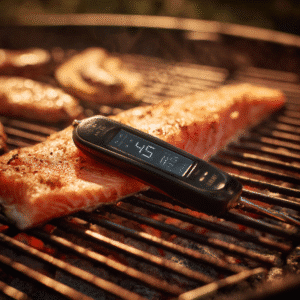
A steady salmon smoking temperature starts with a good thermometer. Whether you’re using a pellet, electric, or charcoal smoker, temperature control is everything. A dual-probe digital thermometer is ideal — one probe tracks the chamber heat, and the other measures the salmon’s internal temperature. This helps you stay within the best temp for smoked salmon, usually 140°F to 145°F inside.
Best Salmon Smoking Temperature Guide

Equipment
- smoker (pellet, electric, or charcoal)
- dual-probe digital thermometer for internal and chamber temps
- wire rack for air drying and smoking
- drip pan optional, adds humidity
- brining container non-metallic, large enough for fillets
Instructions
- Determine your smoking method: hot smoking (160°F–170°F) or cold smoking (65°F–90°F). Each yields a different texture and flavor profile.
- Brine your salmon with 1 cup salt to 4 cups water for 8–12 hours. Rinse and dry thoroughly to form a pellicle before smoking.
- Start hot smoking at 120°F, then gradually raise to 160°F–170°F. Internal temp should reach 140°F–145°F. For cold smoking, maintain a consistent 65°F–90°F for 12–24 hours.
- Use a dual-probe thermometer: one for chamber temp and one for fish. Avoid opening the smoker to prevent heat loss.
- Rest the smoked salmon for 5 minutes before slicing to allow juices to redistribute for best texture and flavor.
Notes
Avoid opening the smoker lid too often; it causes sudden heat drops that disrupt your smoked salmon cooking temperature. Instead, trust your thermometer to keep things consistent. For setup help, read our DIY Smoked Salmon Guide to see how pros manage steady heat from start to finish.
Tips for Maintaining Consistent Temperature
Consistency makes the difference between dry and perfect salmon. Always preheat your smoker to around 160°F–170°F and use mild woods like apple or alder for smooth smoke flow. Keep your smoker shielded from wind, and if you’re using charcoal, create a two-zone setup for better control.
A small pan of water inside the smoker also helps stabilize your salmon smoking temperature while adding a touch of humidity that keeps the fish juicy. Once you master this balance, every smoked fillet will come out tender, smoky, and ready to impress.
Cooking Time at Different Temperatures
How Long to Smoke Salmon at 225°F
When smoking salmon, both time and salmon smoking temperature determine the final flavor and texture. At 225°F, you’re working with a slightly higher smoked salmon cooking temperature that cooks the fish faster while deepening the smoky flavor. At this setting, expect to smoke your salmon for about 1 to 1.5 hours, depending on the fillet’s thickness.
The internal temperature should reach 140°F to 145°F before removing it from the smoker. This ensures the fish is fully cooked yet tender. Keeping your salmon smoking temperature stable during this process prevents the outside from drying before the inside is done.
Smoking Fish at 250°F: What Changes
Increasing the salmon smoking temperature to 250°F gives a firmer texture and a slightly more robust smoke flavor. The cooking time drops to around 45–60 minutes, making it a great choice if you want faster results.
However, because this is a hotter setting, it’s important to monitor the internal temperature closely to avoid overcooking. Once your salmon reaches 145°F, remove it immediately and let it rest for a few minutes — the residual heat will finish the job.
If you want to see how smoked salmon can pair beautifully with other flavors, try our smoked salmon and egg recipe for a breakfast-worthy twist that highlights perfectly smoked fish.
No matter which method you choose, remember: consistent salmon smoking temperature control is what keeps your fish moist, smoky, and irresistibly tender.
Common Mistakes with Salmon Smoking Temperature
Why Too High or Too Low Temperature Ruins Salmon
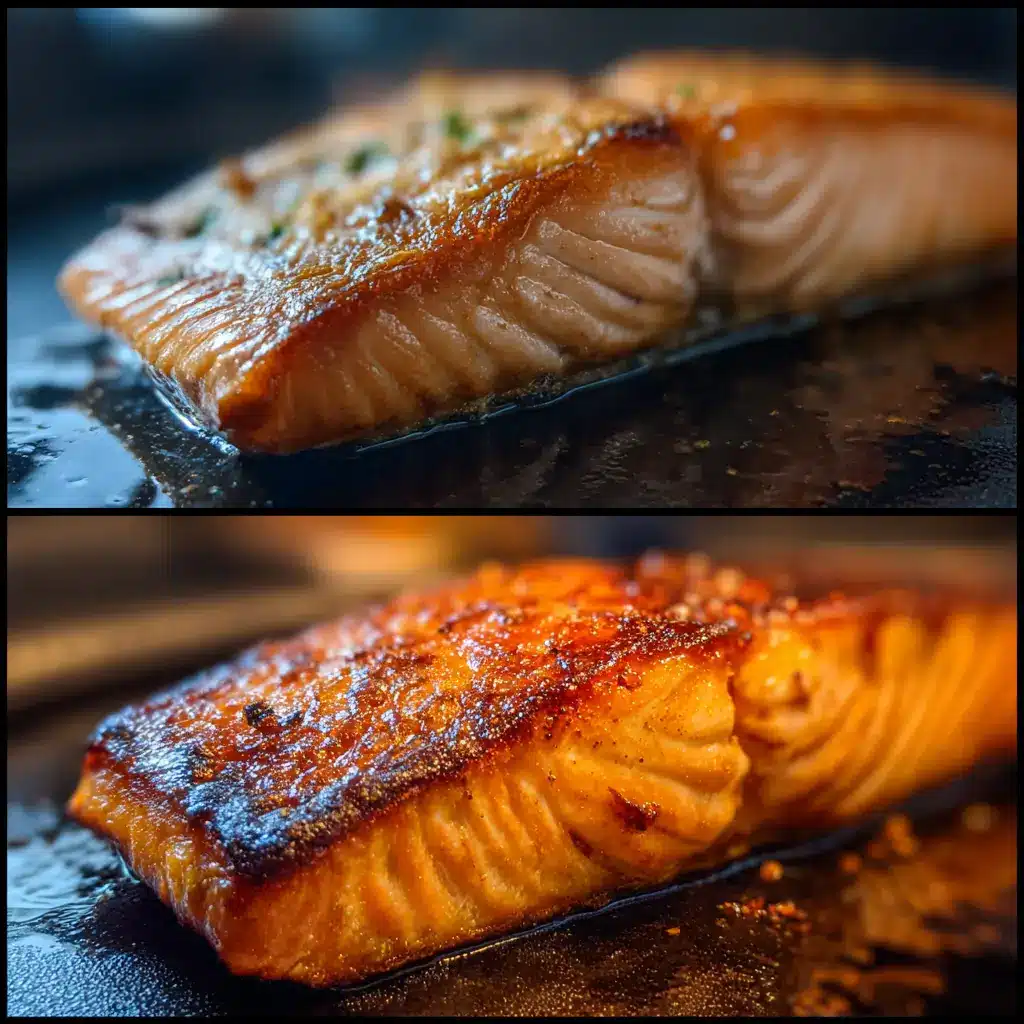
Even with experience, managing salmon smoking temperature can be tricky. One of the most common mistakes is letting the heat climb too high. When your smoker passes 180°F, the fish’s natural oils escape too quickly, leaving it dry and flaky instead of moist and silky. On the other hand, a smoked salmon cooking temperature below 120°F won’t cook the fish evenly, leading to an unpleasant, rubbery texture.
The best temp for smoked salmon always depends on balance — maintaining steady heat between 160°F and 170°F helps the smoke flavor penetrate slowly while keeping the fish tender. Investing in a reliable thermometer and preheating your smoker before adding the salmon can prevent big swings in temperature that ruin your efforts.
Signs Your Salmon Was Smoked at the Wrong Temp
You can easily tell when your salmon smoking temperature was off. White residue (albumin) appearing too early means the fish cooked too fast. A dull gray color signals overheating, while a pale, soft texture often points to under-smoking. The ideal smoked salmon should have a rich amber hue, slightly firm edges, and a juicy, moist center.
If your salmon comes out unevenly cooked, it’s likely due to fluctuating heat or poor air circulation inside the smoker. Always allow enough space between fillets so the smoke can move freely.
For more flavorful ideas that showcase perfect smoking technique, try our salmon poke recipe — it’s a fresh, colorful way to use perfectly smoked fish in a simple, healthy dish.
Mastering salmon smoking temperature takes practice, but once you get it right, you’ll never settle for store-bought smoked salmon again.
FAQs About Salmon Smoking Temperature
How long do you smoke salmon at 225 degrees?
When your salmon smoking temperature is set to 225°F, it usually takes 1 to 1.5 hours to cook, depending on the fillet’s thickness. Thinner cuts may be ready in 60 minutes, while larger fillets can take closer to 90. Always check the internal temperature — it should reach 140°F to 145°F. That’s the best temp for smoked salmon to stay moist while ensuring it’s fully cooked.
Keep your smoker lid closed as much as possible to maintain even heat. Every time you open it, your smoked salmon cooking temperature drops and can extend the process unnecessarily.
What temperature is best for smoked salmon?
The ideal salmon smoking temperature for hot smoking sits between 160°F and 170°F. This range gives you the perfect balance of smoky depth and tender texture. If you prefer a milder flavor and silky finish, cold smoking at 70°F–90°F works best, though it requires curing the fish first.
No matter your method, keeping a stable smoked salmon cooking temperature ensures even cooking and rich flavor in every bite.
How long do you smoke fish at 250 degrees?
At a salmon smoking temperature of 250°F, the process speeds up significantly. Most fillets finish in 45–60 minutes, but the key is monitoring the internal temperature closely. Once it hits 145°F, remove it from the smoker right away. Letting it rest for 5 minutes allows the juices to redistribute for a perfectly moist texture.
This slightly higher smoked salmon cooking temperature delivers a stronger smoke flavor and firmer bite, ideal for sandwiches or hearty dishes.
Is smoked salmon safe at 135 degrees?
Smoked salmon is generally safe once its internal temperature reaches 140°F–145°F. At 135°F, it’s close but not quite done. Holding your salmon smoking temperature in that range for longer can help pasteurize the fish, but for guaranteed safety and perfect texture, aim for at least 140°F.
If you prefer a gentler smoke and lighter finish, go low and slow — just make sure to verify the internal temperature before serving.
For creative ways to enjoy your smoked salmon, try our easy salmon recipe bites — they’re a delicious snack or appetizer to showcase your perfectly smoked fish.
Conclusion & Pro Tips for Perfectly Smoked Salmon
Final Thoughts on Mastering the Ideal Salmon Smoking Temperature
Mastering your salmon smoking temperature is the secret to creating truly unforgettable smoked salmon — the kind that’s tender, smoky, and full of character. Whether you’re experimenting with hot or cold smoking, the key lies in balance: maintaining steady heat, letting the smoke work its magic slowly, and trusting your thermometer to guide you.
The best temp for smoked salmon usually sits between 160°F and 170°F, giving you that melt-in-your-mouth texture without drying the fish. Cold smoking at lower temperatures, around 70°F–90°F, brings out an elegant, silky flavor ideal for gourmet dishes. Whichever method you choose, a consistent smoked salmon cooking temperature always delivers professional-quality results.
Once you find that perfect range, everything else — the brine, the wood, and the seasoning — becomes a creative expression of your personal taste.
Pro Tips for Tender, Flaky, and Flavorful Smoked Salmon
- Start low, finish higher. Begin smoking at 120°F, then gradually raise your salmon smoking temperature to 160°F–170°F for the best balance of moisture and flavor.
- Always preheat your smoker. Starting cold can lead to uneven heating and unpredictable results.
- Use mild wood. Alder, apple, or cherry produce smooth smoke that complements salmon beautifully without overpowering it.
- Don’t rush the process. Perfect smoking takes time. Let the fish absorb the smoke slowly — the payoff is worth it.
- Rest before serving. Once your salmon reaches the best temp for smoked salmon, let it rest for 5 minutes to let juices redistribute.
If you’re just beginning your smoking journey, check out our beginner smoked salmon recipe — a great starting point to practice temperature control and flavor layering.