
What is cold smoked salmon? It’s more than just a luxurious breakfast staple—it’s a culinary tradition built on patience, precision, and flavor. This delicately smoked fish is known for its silky texture, translucent pink hue, and whisper of ocean salt balanced by a subtle smoky aroma. In this article, you’ll discover what makes cold smoked salmon so unique, how it’s made, the ideal temperature for cold smoking salmon, and even how you can prepare it at home with confidence. Whether you’re a food lover or just curious about the process, you’re about to uncover the craft behind one of the most beloved seafood delicacies in the world.
If you’re interested in exploring other salmon varieties, check out our fully smoked salmon explained guide to see how different smoking methods affect flavor and texture.
Table of Contents
Understanding What Cold Smoked Salmon Really Is
Defining What Cold Smoked Salmon Is
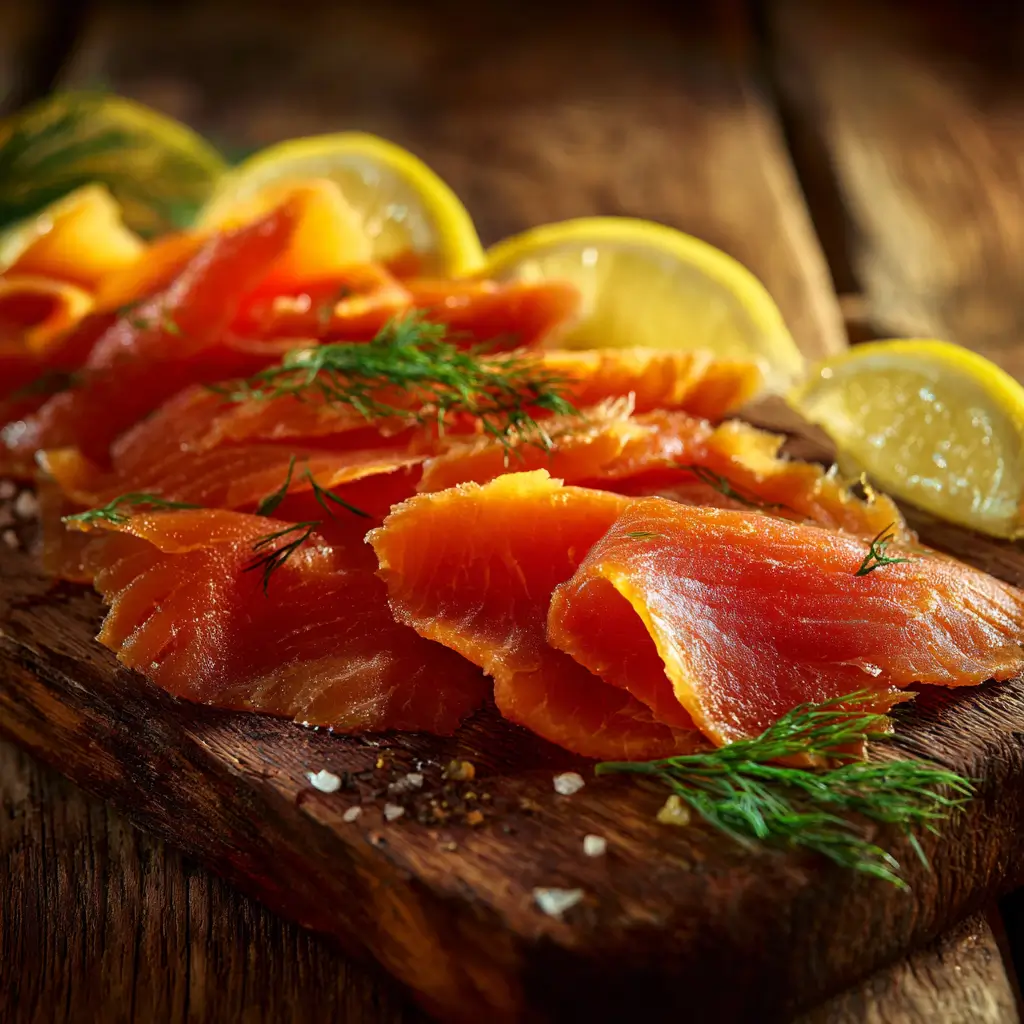
To truly understand what cold smoked salmon means, picture salmon that’s never cooked over high heat. Instead, it’s cured with salt and sugar to remove moisture, then exposed to cool smoke—between 68°F and 86°F (20°C–30°C)—until it absorbs just enough flavor without firming up. This method keeps the salmon smooth, tender, and translucent, giving it that iconic buttery texture.
When you ask what is cold smoked salmon, you’re asking about balance. It’s preserved but never dry, smoky yet still fresh. Every slice carries the essence of the sea with a light sweetness from the cure and a whisper of wood smoke. That’s what makes cold smoked salmon such a delicacy—it’s flavor built with restraint.
The Tradition Behind Cold Smoking
The tradition of what cold smoked salmon represents started in Nordic and European fishing villages. Cold smoking began as a way to preserve fish through long winters, but it evolved into an art form. Generations refined the technique, learning that alder or maple woods gave the best gentle smoke.
Even now, the same slow process defines cold smoked salmon—curing, drying, and smoking over many hours. The result is both history and flavor on the same plate. Whether you serve it on a bagel, add it to a salad, or enjoy it straight from the board, what is cold smoked salmon becomes clear: it’s a perfect union of nature, time, and craftsmanship.
The Cold Smoking Process Explained
How the Cold Smoking Salmon Process Works
To understand what is cold smoked salmon, you need to know how this careful process unfolds. The cold smoking salmon process isn’t rushed—it’s slow, deliberate, and all about precision. Here’s a quick look at each step:
1. Cure the Salmon
Everything starts with high-quality salmon. The fillet is coated with salt and sugar—sometimes with dill, pepper, or lemon zest—to draw out moisture and intensify flavor. This curing stage usually lasts 8–12 hours, creating the base of that distinct cold smoked salmon taste.
2. Dry and Form the Pellicle
After curing, the salmon is rinsed, dried, and rested until a thin, tacky layer called a pellicle forms. This helps the smoke cling evenly to the surface, which is key to flavor and texture.
3. The Cold Smoking Stage
Once ready, the salmon is smoked at a temperature for cold smoking salmon between 68°F and 86°F (20°C–30°C). Because the smoke stays cool, the fish never cooks—it simply absorbs aroma and flavor. This can take anywhere from 10 to 24 hours, depending on the size of the fillet and the intensity of smoke desired.
4. Rest and Slice
After smoking, the salmon is chilled and rested before slicing. This resting time allows the smoky-sweet flavor to deepen and the texture to firm into that silky consistency that defines what cold smoked salmon truly is.
The Right Temperature for Cold Smoking Salmon
The temperature for cold smoking salmon must stay steady and low. Anything higher than 86°F will cook the fish, turning it flaky like hot smoked salmon. Keeping the smoke cool—often by using an external smoke generator—preserves that smooth, almost raw texture that makes cold smoked salmon special.
Smokers often use alder, maple, or apple wood for their light, clean flavor. These woods infuse the fish gently, never overpowering its natural sweetness. That balance between smoke, salt, and patience is exactly what cold smoked salmon is meant to celebrate.
If you’d like to give it a try, check out how to smoke salmon at home for beginner-friendly tips on setup, timing, and wood choices.
Cold Smoked Salmon: What It Is & How It’s Made
Equipment
- smoker with cold smoke generator or use a smoke tube in a cool box
- digital thermometer track air temp inside smoking chamber
- plastic wrap or brining container to cure salmon safely
- refrigerator used for curing, drying, and resting
- sharp slicing knife for clean, thin slices
Ingredients
- 2 lbs fresh salmon fillet (skin-on)
- 1/4 cup kosher salt
- 1/4 cup brown sugar
- 1 tsp black pepper
- 2 tbsp chopped dill (optional)
- as needed alder, maple, or apple wood chips
Instructions
- Prepare the salmon by selecting fresh, firm, skin-on fillets with a clean scent. Trim as needed.
- Mix salt, sugar, pepper, and optional dill. Rub cure evenly over salmon. Wrap tightly and refrigerate for 8–12 hours.
- Rinse salmon under cool water to remove cure. Pat dry thoroughly. Refrigerate uncovered for 2 hours to form pellicle.
- Set up smoker to stay between 68°F–86°F (20°C–30°C). Cold smoke salmon for 10–24 hours using mild wood chips.
- Refrigerate finished salmon for 2–3 hours before slicing. Serve thin on bagels, salads, or platters.
Notes
Nutrition
Cold Smoked vs. Hot Smoked Salmon
Key Differences in Texture and Taste
When people wonder what is cold smoked salmon, they often picture something similar to hot smoked salmon—but the two couldn’t be more different. Understanding what cold smoked salmon truly is helps you appreciate why it’s so loved for its smooth, delicate flavor.
Cold smoked salmon is cured with salt and sugar, then smoked at a low temperature—between 68°F and 86°F (20°C–30°C). Because it’s never cooked, the texture stays silky and tender. Each slice feels luxurious, almost buttery, and carries a mild hint of smoke. This is what cold smoked salmon is best known for: its elegance, its freshness, and its refined taste that pairs beautifully with cream cheese, dill, or lemon.
Hot smoked salmon, in contrast, is smoked at higher temperatures—typically 120°F–180°F (49°C–82°C)—which fully cooks the fish. The result is a firm, flaky texture and a stronger, saltier flavor. It’s rich, hearty, and perfect for pastas, casseroles, or warm grain bowls.
Here’s a simple comparison that highlights what cold smoked salmon offers versus hot smoked:
| Feature | Cold Smoked Salmon | Hot Smoked Salmon |
|---|---|---|
| Temperature | 68°F–86°F | 120°F–180°F |
| Texture | Silky, smooth, raw-like | Firm, flaky, cooked |
| Flavor | Mild, subtle smoke | Deep, bold smoke |
| Cooking | Not cooked (cured) | Fully cooked |
| Best For | Bagels, salads, canapés | Entrées, chowders, pastas |
So, what is cold smoked salmon really about? It’s about finesse. It preserves the salmon’s natural sweetness and tenderness, while hot smoking delivers stronger, more intense flavors. Both are delicious—but cold smoked is the choice for freshness and sophistication.
When to Choose Each Type
If you crave something light and refined, choose cold smoked salmon—it’s ideal for brunch platters or elegant appetizers. When you want something hearty and filling, go for hot smoked salmon.
Knowing what is cold smoked salmon helps you pick the right style for every dish—and appreciate how both methods honor the same ingredient in completely different ways.
For more insights, discover hot vs cold smoked salmon differences.
Ingredients and Preparation Essentials
The Best Type of Salmon for Cold Smoking
To truly understand what is cold smoked salmon, it all starts with the right fish. The best results come from salmon that’s fresh, fatty, and firm—qualities that help the fillet stay moist and flavorful throughout the cold smoking process.
Atlantic salmon is a top choice thanks to its buttery texture, while King (Chinook) salmon offers rich flavor and high oil content that make it ideal for cold smoking. Sockeye salmon brings a bold, deeper taste and vibrant color that many love. Whichever you choose, freshness matters most. The flesh should be firm and smell clean, never fishy. Good-quality salmon ensures that every smoky note enhances rather than hides its natural sweetness.
Understanding what is cold smoked salmon means appreciating how much quality influences outcome—it’s the foundation of that silky, melt-in-your-mouth finish.
Common Cures and Flavoring Additions
Curing is where what is cold smoked salmon takes shape. Before any smoke touches the fish, salt and sugar work together to draw out moisture, firm the flesh, and build that iconic flavor.
Here’s a simple cure you can use:
| Ingredient | Purpose | Amount (per 2 lbs of salmon) |
|---|---|---|
| Kosher Salt | Firms and preserves | 1/4 cup |
| Brown Sugar | Balances salt | 1/4 cup |
| Dill or Lemon Zest | Adds brightness | 2 tbsp |
| Black Pepper | Gentle spice | 1 tsp |
For a classic taste of what cold smoked salmon should be, keep it simple—salt, sugar, and a hint of dill. For bolder results, add maple syrup, juniper, or garlic. After curing in the fridge for 8–12 hours, rinse and dry the salmon before smoking.
Every step—from selecting the right fish to balancing your cure—shapes what is cold smoked salmon into the luxurious, delicate treat people love.
If you want a full walkthrough, check out our DIY smoked salmon guide for expert advice on curing and prep.
Cold Smoked Salmon Recipe You Can Try at Home
Step-by-Step Cold Smoked Salmon Recipe
Once you understand what is cold smoked salmon, you’ll see that making it at home is less complicated than it seems. The process takes time, not fancy tools. With patience, you can create salmon that tastes like it came from a gourmet shop.
Here’s a simple, foolproof recipe to make authentic cold smoked salmon in your own kitchen.
Ingredients:
- 2 lbs fresh salmon fillet (skin on)
- ¼ cup kosher salt
- ¼ cup brown sugar
- 1 tsp black pepper
- 2 tbsp chopped dill (optional)
- Wood chips (alder, maple, or apple work best)
Instructions:
- Prepare the Salmon:
Start with the freshest salmon you can find—firm, bright, and clean-smelling. Knowing what is cold smoked salmon means knowing that freshness defines the flavor and texture. - Cure the Fish:
Mix the salt, sugar, and pepper. Rub the cure evenly over the salmon, covering both sides. Add dill for a hint of herbal freshness. Wrap tightly in plastic and refrigerate for 8–12 hours. - Rinse and Dry:
Unwrap and rinse the fillet under cool water to remove excess cure. Pat dry, then place it uncovered in the fridge for at least 2 hours. This allows a sticky surface, called the pellicle, to form—essential for the smoke to adhere properly. - Cold Smoke the Salmon:
Set your smoker to maintain a temperature for cold smoking salmon between 68°F and 86°F (20°C–30°C). Use alder or maple wood for a clean, mild flavor. Smoke the fish for 10–24 hours, depending on how smoky you want it. - Rest, Slice, and Enjoy:
After smoking, chill the salmon for a few hours. Slice thinly and serve on bagels, crackers, or salads. This is the essence of what cold smoked salmon should be—silky, flavorful, and perfectly balanced.
Tools You’ll Need for Cold Smoking
To master what is cold smoked salmon, you don’t need commercial equipment. A basic smoker with a separate smoke generator works well. You can even build a simple cold smoking setup using a cardboard box and a small smoke tube.

For beginners, discover the best tools for smoking salmon to find easy, budget-friendly options.
Safety, Storage, and Shelf Life
Is Cold Smoked Salmon Safe to Eat?
When people learn what is cold smoked salmon, one of the first questions they ask is about safety. Because it isn’t cooked, cold smoked salmon requires careful preparation and storage. The curing and smoking process make it safe to eat, but temperature control and freshness are key.
Cold smoking doesn’t kill bacteria the same way high heat does, so cleanliness matters from start to finish. Always start with the freshest salmon available, cure it properly with salt and sugar, and smoke it at the correct temperature for cold smoking salmon—between 68°F and 86°F (20°C–30°C). This low temperature preserves the texture without cooking the fish but relies on curing to prevent harmful bacteria.
If you’re pregnant, elderly, or have a compromised immune system, it’s best to heat cold smoked salmon before eating or choose hot smoked instead. Understanding what is cold smoked salmon includes recognizing that it’s a cured product meant to be handled with care, just like prosciutto or dry-aged meats.
How Long Does Cold Smoked Salmon Last?
Proper storage is essential to keep what cold smoked salmon represents—its purity, texture, and flavor—at their best. Once smoked, refrigerate your salmon immediately in an airtight container or vacuum-sealed bag.
Refrigerated: It will stay fresh for about 1 to 2 weeks.
Frozen: For longer storage, freeze it—properly wrapped, it can last up to 3 months without losing much quality.
To serve, thaw frozen salmon slowly in the refrigerator overnight. Never thaw it at room temperature; that encourages bacteria growth and can spoil the flavor.
Here’s a quick summary:
| Storage Method | Ideal Duration | Notes |
|---|---|---|
| Refrigerator (sealed) | 7–14 days | Keep under 40°F (4°C) |
| Freezer (vacuum-sealed) | Up to 3 months | Thaw in fridge overnight |
Understanding what is cold smoked salmon means knowing that safety doesn’t stop after smoking. How you store and serve it defines its quality and ensures every silky slice tastes as fresh as the day it was made.
For more details on time and preservation, learn about cold smoked salmon time and how to store your smoked fish like a professional.
Nutritional Value and Health Considerations
Nutritional Breakdown of Cold Smoked Salmon
When you understand what is cold smoked salmon, you realize it’s not just flavorful—it’s also packed with nutrients. Cold smoked salmon delivers a powerful mix of protein, vitamins, and healthy fats in every silky slice.
A typical 3-ounce serving of cold smoked salmon contains about 100 calories, 16 grams of protein, and a wealth of omega-3 fatty acids that support heart and brain health. It’s also a great source of vitamin B12, vitamin D, and selenium, all vital for energy and immune function.
What makes what cold smoked salmon so special nutritionally is that it offers richness without being heavy. The fats it contains are mostly unsaturated, helping lower inflammation and improve overall cardiovascular health. It’s a simple, natural source of good nutrition wrapped in gourmet flavor.
| Nutrient | Amount (per 3 oz) | Benefit |
|---|---|---|
| Protein | 16g | Builds muscle & repairs tissue |
| Omega-3s | 1000mg+ | Supports heart & brain health |
| Vitamin B12 | 80% DV | Boosts energy & nerve function |
| Vitamin D | 40% DV | Strengthens bones & immunity |
| Sodium | 600–700mg | Adds flavor (monitor intake) |
Is Cold Smoked Salmon Healthy?
When people ask what is cold smoked salmon in terms of health, the answer depends on balance. Cold smoked salmon is nutritious but also high in sodium due to the curing process. For most people, it’s perfectly healthy in moderation—best enjoyed as part of a balanced diet with fresh fruits, vegetables, and whole grains.
If you’re watching your sodium or have certain dietary restrictions, opt for smaller portions or look for low-sodium versions. Otherwise, what cold smoked salmon offers is a unique combination of taste and nourishment—a satisfying way to enjoy seafood’s benefits without the heaviness of cooked fish.
For more nutrition comparisons, discover smoked salmon nutrition facts and how different smoking methods affect calories and minerals.
Serving Ideas and Pairings
Classic Ways to Serve Cold Smoked Salmon
Once you understand what is cold smoked salmon, you can start to appreciate how versatile it is in the kitchen. This delicacy shines in both simple and elegant dishes. Its silky texture and gentle smoke make it perfect for breakfast, brunch, or refined appetizers.
One of the most beloved ways to enjoy cold smoked salmon is the classic bagel combination—cream cheese, capers, red onion, and a squeeze of lemon. The creamy tang balances the salmon’s saltiness beautifully. It also works wonderfully on crackers or blinis topped with a dollop of sour cream or crème fraîche.
If you prefer lighter fare, try adding thin slices of cold smoked salmon to a green salad with avocado, cucumbers, and dill dressing. Or roll it up with cream cheese and herbs for elegant salmon pinwheels. When people ask what is cold smoked salmon good for, the answer is easy: just about everything.
Creative Recipes Featuring Cold Smoked Salmon
Beyond the classics, understanding what is cold smoked salmon opens the door to creativity. It’s delicious in pastas, grain bowls, sushi rolls, or even as a topping for homemade pizza. Fold it into scrambled eggs for a savory brunch or layer it into wraps with arugula and cream cheese.
For entertaining, create a cold smoked salmon platter with sliced cucumbers, olives, fresh herbs, and toasted bread. It’s simple, elegant, and always a crowd-pleaser.
When pairing drinks, what cold smoked salmon offers in delicate flavor goes beautifully with crisp whites like Sauvignon Blanc or sparkling wines. Even mild gin cocktails highlight its smokiness perfectly.

To discover more plating ideas and flavor inspiration, visit us on Facebook for daily salmon recipes or follow our Pinterest board for smoked salmon inspiration.
FAQs About Cold Smoked Salmon
Is Cold Smoked Salmon Cooked or Raw?
Technically, it’s neither. Cold smoked salmon is salt-cured and smoked at low temperatures—between 68°F and 86°F (20°C–30°C)—so the fish never cooks but becomes perfectly safe to eat. The curing draws out moisture, preserving the salmon and giving it that soft, silky texture that defines what cold smoked salmon truly is.
Is Cold Smoked Salmon Healthier?
Cold smoked salmon is rich in protein, omega-3 fatty acids, and vitamins like B12 and D. These nutrients support heart and brain health. However, because it’s cured, it contains more sodium than fresh fish. Enjoyed in moderation, it represents one of the healthiest indulgences you can add to your diet.
What Is Another Name for Cold Smoked Salmon?
You might come across names like lox or gravlax. While related, they’re not identical. Lox is cured but not smoked, gravlax uses herbs and sugar in curing, and cold smoked salmon is both cured and smoked—giving it that signature smoky aroma and translucent texture.
What Is Cold Smoked Salmon Like?
Imagine something soft, buttery, and slightly smoky. That melt-in-your-mouth texture is what cold smoked salmon is best known for. It’s not fishy or overpowering—just clean, smooth, and elegant. Each bite carries the natural sweetness of salmon balanced by subtle smoke.
Conclusion: The Elegant Simplicity of Cold Smoked Salmon
Now that you know what is cold smoked salmon, it’s easy to see why this timeless delicacy has captured hearts for centuries. It’s a perfect harmony of salt, smoke, and patience—transforming a simple fish into something luxurious yet comforting. Whether enjoyed on a bagel, in a salad, or as part of an elegant brunch spread, cold smoked salmon offers a taste that’s both refined and natural.
Mastering what cold smoked salmon truly is means understanding the balance behind it: fresh fish, gentle curing, cool smoke, and care in every step. That’s why it’s not just a food—it’s a craft.
If you’d like to explore another easy salmon recipe, don’t miss our easy salmon recipe bites—a quick, flavorful dish that pairs beautifully with smoked salmon on any menu.